Financial Culture: Building a Foundation for Life-long Money Skills
Understanding financial culture is crucial for navigating the modern world. This article explores what financial culture means, why it's important, and how practical mathematics and money management skills shape daily lives—offering real-world connections and learning tips for everyone.
In today’s interconnected and rapidly evolving world, the concept of ‘financial culture’ is more relevant than ever. But what does this term actually mean? Simply put, financial culture refers to the collective practices, attitudes, and knowledge surrounding money and finance within a society or community. This culture shapes how individuals earn, spend, save, and invest their money, and is deeply influenced by education, socioeconomic background, local laws, and even family traditions.
At its core, financial culture is about more than just handling cash or keeping a budget—it’s a set of lifelong habits and decision-making processes. These inform how people plan for the future, respond to economic challenges, and interact with financial institutions. In a practical sense, financial culture starts with fundamental questions: How do you make choices about money? Do you know how to balance a checkbook, use credit responsibly, or plan for unexpected expenses? The answers to these questions reflect your financial culture.
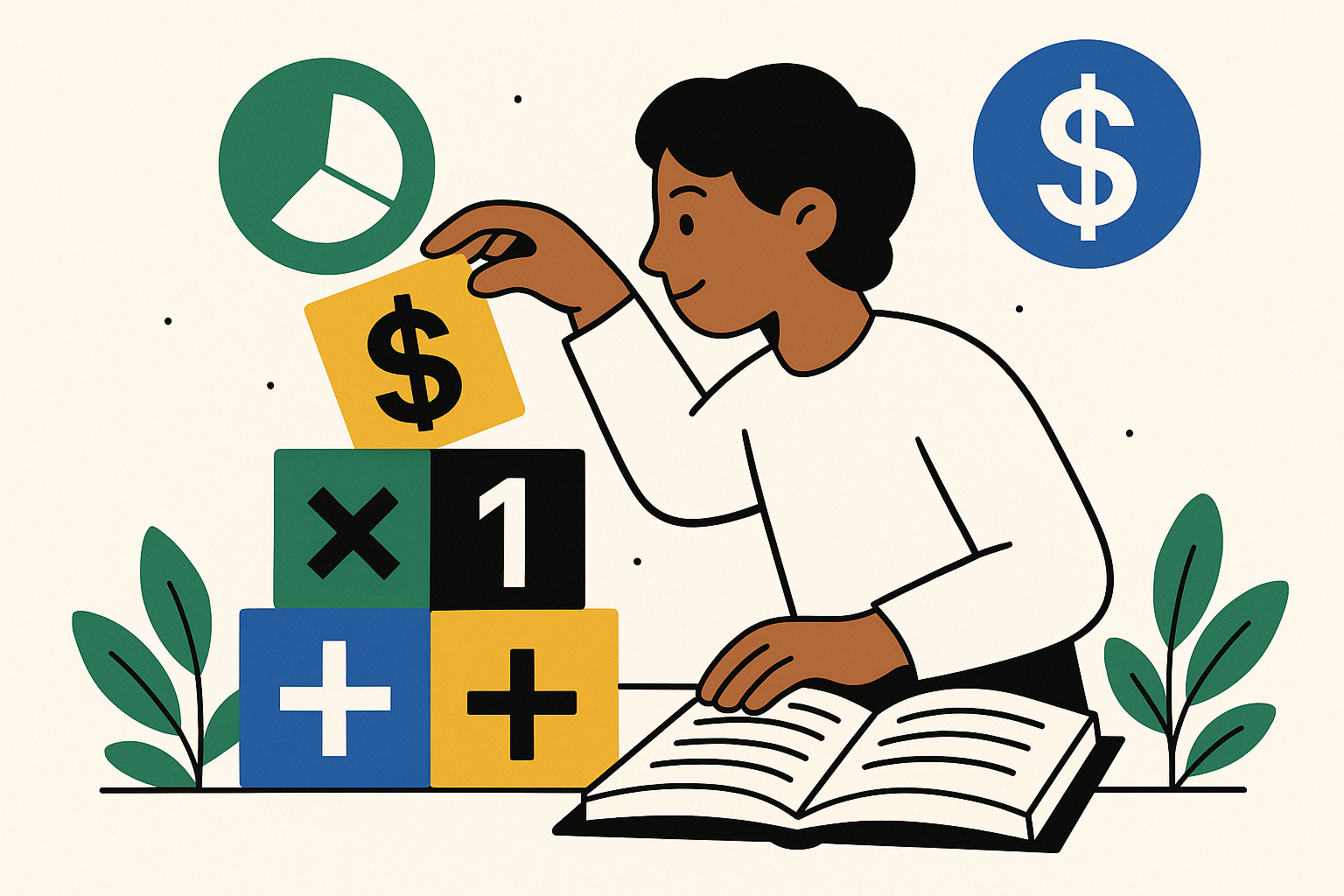
One of the most direct pathways to fostering a healthy financial culture is through education, particularly mathematics education. In the United States, mathematics curricula—while varying from state to state—traditionally incorporate modules on basic arithmetic, percentages, and problems related to money. These lessons are more than abstract exercises; they introduce students to real-life scenarios such as calculating discounts, comparing loan interest rates, or budgeting for a school event. For example, understanding how to compute the final cost of a sale item marked ‘20% off’ or determining which bank account offers the best interest rate requires both mathematical and financial understanding.
Financial literacy—possessing the skills and knowledge to make informed financial decisions—is widely recognized as a key life skill. According to educational standards, this includes not only mathematical calculations but also understanding financial products, interpreting statements, and recognizing risks and opportunities in investment decisions. This blend of knowledge encourages young people (and adults) to build positive financial habits, such as saving regularly or avoiding high-interest debt.
Globally, different cultures have unique approaches to financial education. In France, for instance, mathematics and civics are both core subjects in the national curriculum, reinforcing numeracy alongside social responsibility. Meanwhile, some communities place a strong emphasis on informal family learning—teaching children about spending, saving, and investing through everyday experiences, such as grocery shopping or running a family business.
Beyond the classroom, technology now plays a growing role in shaping financial culture. Mobile banking apps, for instance, help users track spending, set savings goals, and monitor investments in real time. Online calculators allow users to estimate loan payments or retirement needs quickly. Such innovations make abstract financial concepts concrete, turning numbers on a page into meaningful, actionable information.
Cultivating a strong financial culture also involves recognizing broader economic systems. For example, concepts in mathematical economics—where equations and models represent market trends—help policymakers understand the effects of inflation or unemployment. On a smaller scale, individuals who appreciate basic economics are better equipped to evaluate opportunities and adapt to change, whether they’re starting a business or making career decisions.
Ultimately, a robust financial culture empowers individuals at every stage of life. It equips people to weather unforeseen expenses, save for major goals like education or home ownership, and make wise investment choices. By connecting mathematical skills with real-world money management and embracing ongoing learning, anyone can strengthen their financial culture—and in turn, their financial future.