Study Blog
Explore articles about currency history, financial literacy, and money management
Culture and Money Habits: Practical Lessons from Everyday Mathematics
Strong money habits are not just about saving coins or tracking expenses—they’re deeply connected to cultural attitudes and practical math skills. Explore how communities pass down financial knowledge, where mathematics meets daily choices, and ways to build smarter financial habits through real-world learning.
Understanding Cyber Scams: How to Protect Yourself and Your Money
Cyber scams have become a major threat in the digital age, targeting individuals, businesses, and even major organizations. This article explores how these scams work, explains the mathematics of financial losses, and provides practical advice to help everyone stay safer online.
Numeracy: The Cultural Value of Everyday Mathematics
Numeracy is more than just arithmetic—it's an essential cultural skill that shapes our daily lives, financial wellbeing, and participation in society. This article explores how practical mathematics learning can empower individuals, make real-world money decisions clearer, and strengthen communities.
Understanding Financial Culture: Bridging Mathematics, Money, and Everyday Life
Financial culture describes not only how individuals and societies handle, view, and think about money, but also how these habits are shaped by education, tradition, and real-world mathematics. By exploring how financial culture develops—from classrooms to communities—readers can see the essential connections between math, money, and the decisions that influence daily life.
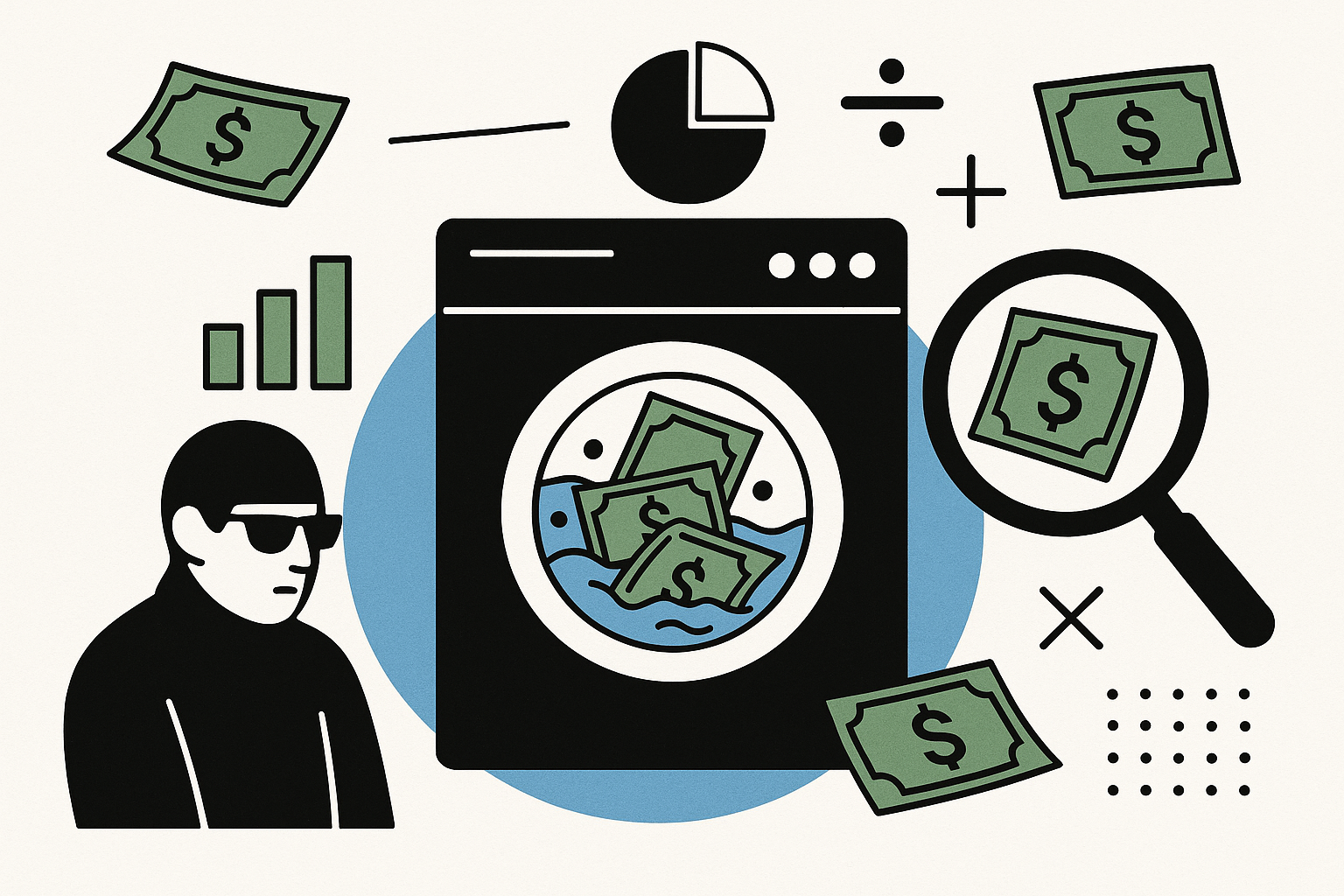
Understanding Money Laundering: What It Means and Why It Matters
Money laundering is an often-heard but little-understood term. This article clarifies its meaning, explores how it works, and highlights its impact on society and the economy, making math and real money connections along the way.
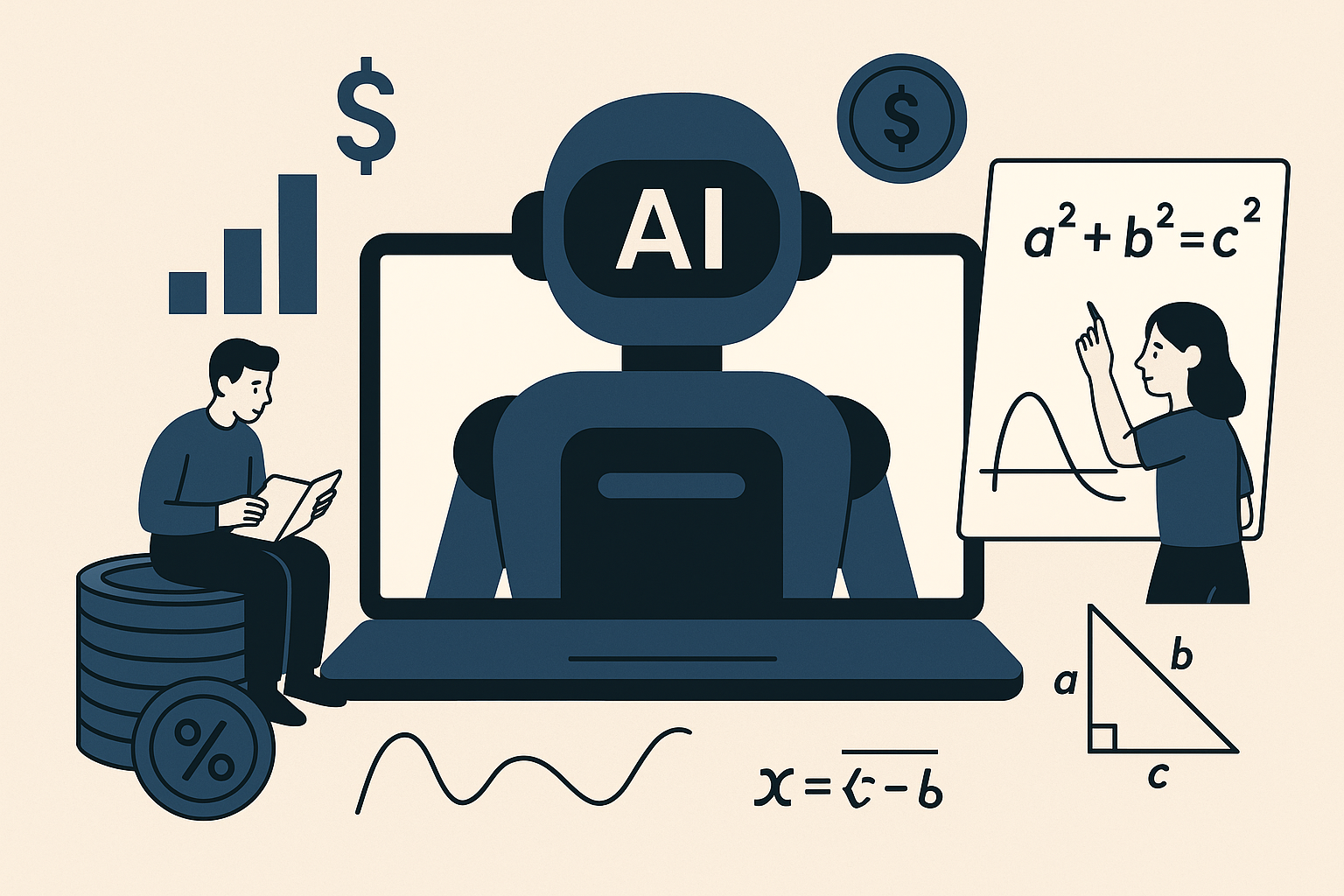
How Artificial Intelligence is Transforming Mathematics Education
Artificial intelligence is rapidly reshaping how students, teachers, and everyday people engage with mathematics. From personalized learning systems to real-world financial problem-solving, AI offers unique opportunities to make math more practical and accessible. Here’s an exploration of how AI is improving math education and helping learners develop essential skills for managing money and understanding mathematical concepts.
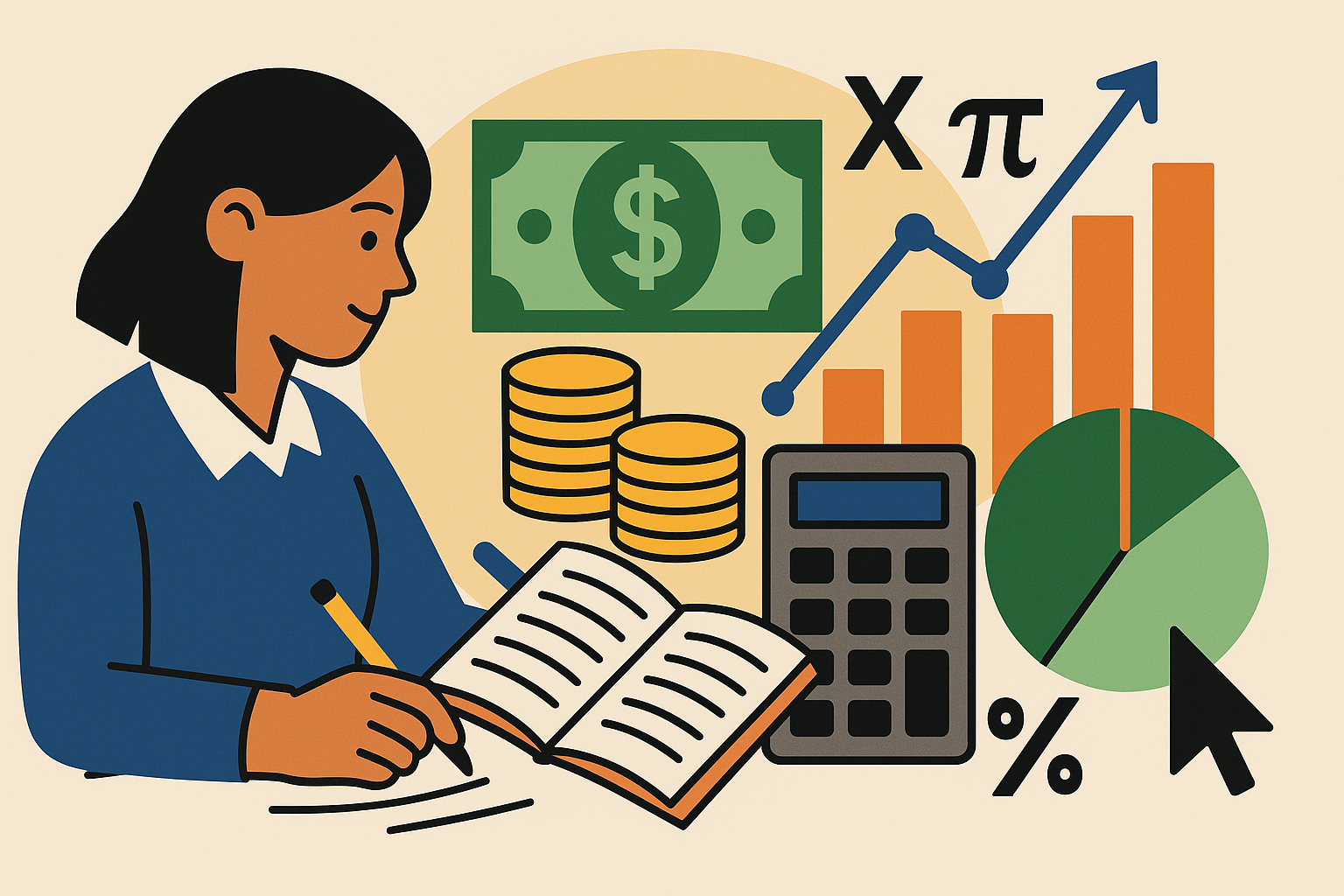
Demystifying Statistics for Class 10: Practical Skills for Real Life and Money Matters
Statistics in Class 10 is more than just calculations—it's a gateway to understanding and interpreting the world, with important applications in personal finances and daily decision-making. This article explores how Class 10 students can connect statistics to real-world scenarios, focusing on money management, clear mathematical reasoning, and the importance of learning these skills for life beyond school.
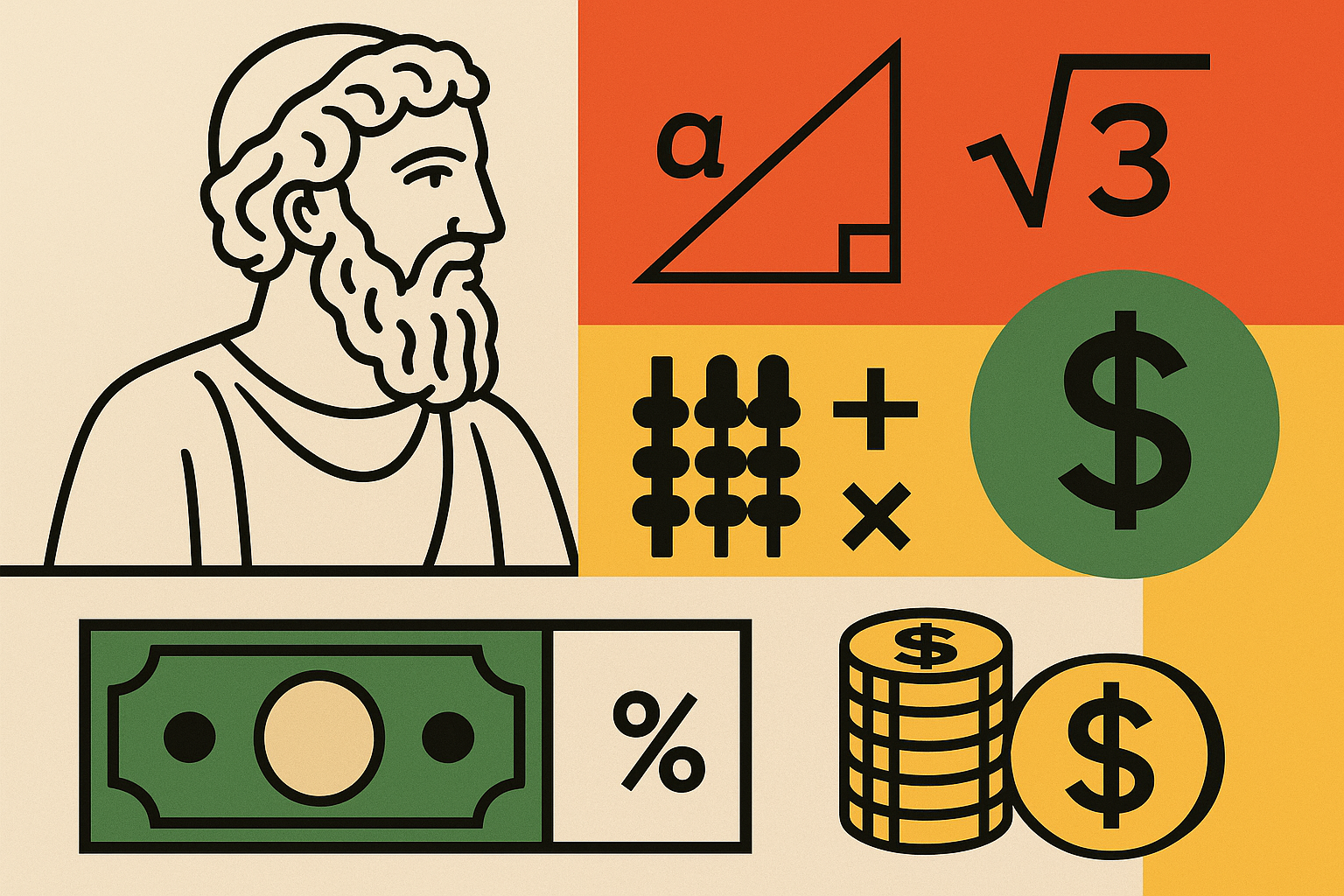
The History of Mathematics: From Ancient Roots to Modern Money
Mathematics shapes how we understand the world, from ancient counting to today's complex economies. This article traces the history of mathematics, highlighting its evolution and real-world connections—especially in money and finance—while emphasizing practical learning and explanations.
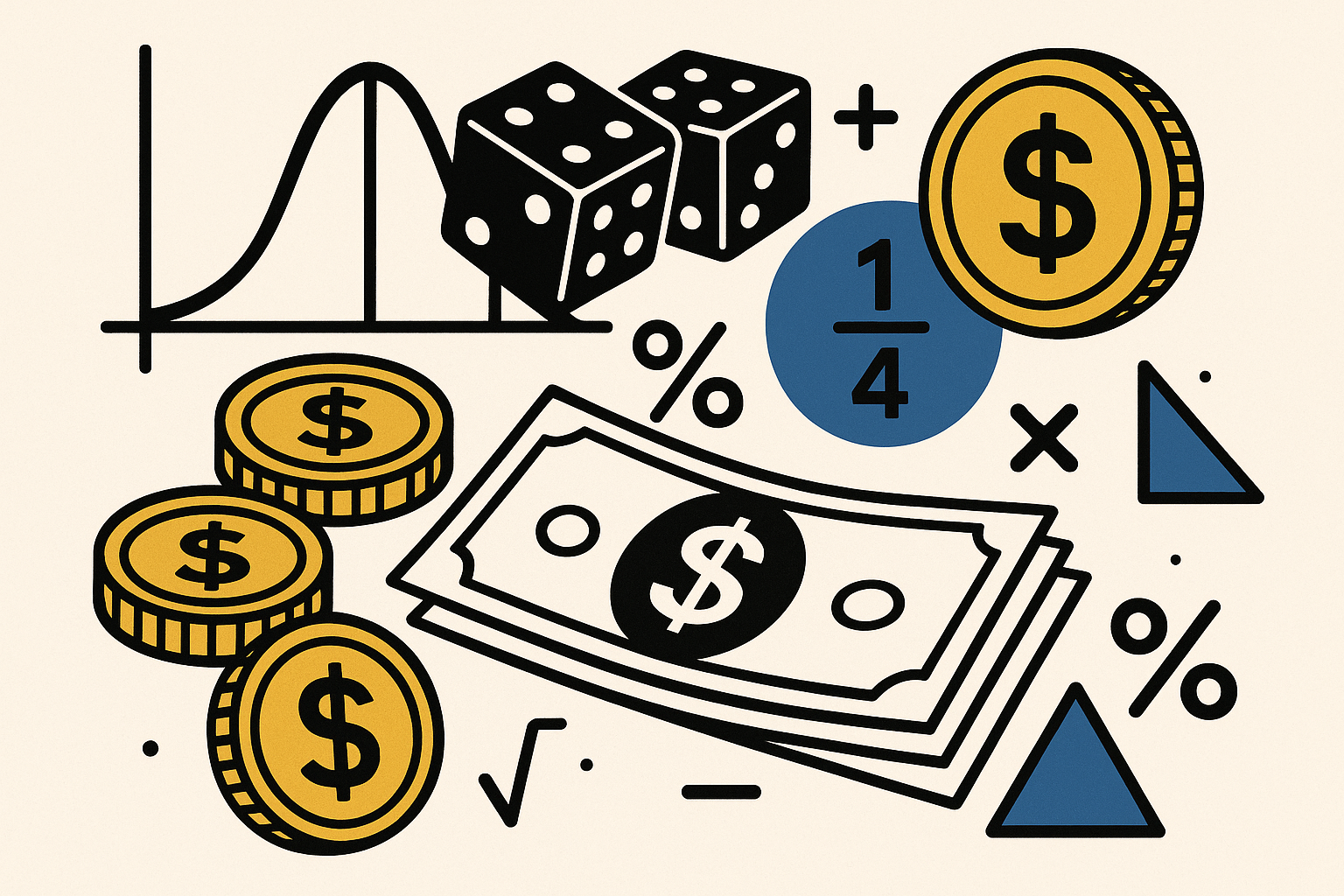
Understanding Probability: How Mathematics Helps Us Make Sense of the Uncertain
Probability is a core part of mathematics with real-world impact on everything from games of chance to making financial decisions. By learning how to interpret and calculate probabilities, students develop tools for understanding risk, making informed choices, and seeing the invisible math that surrounds daily life.
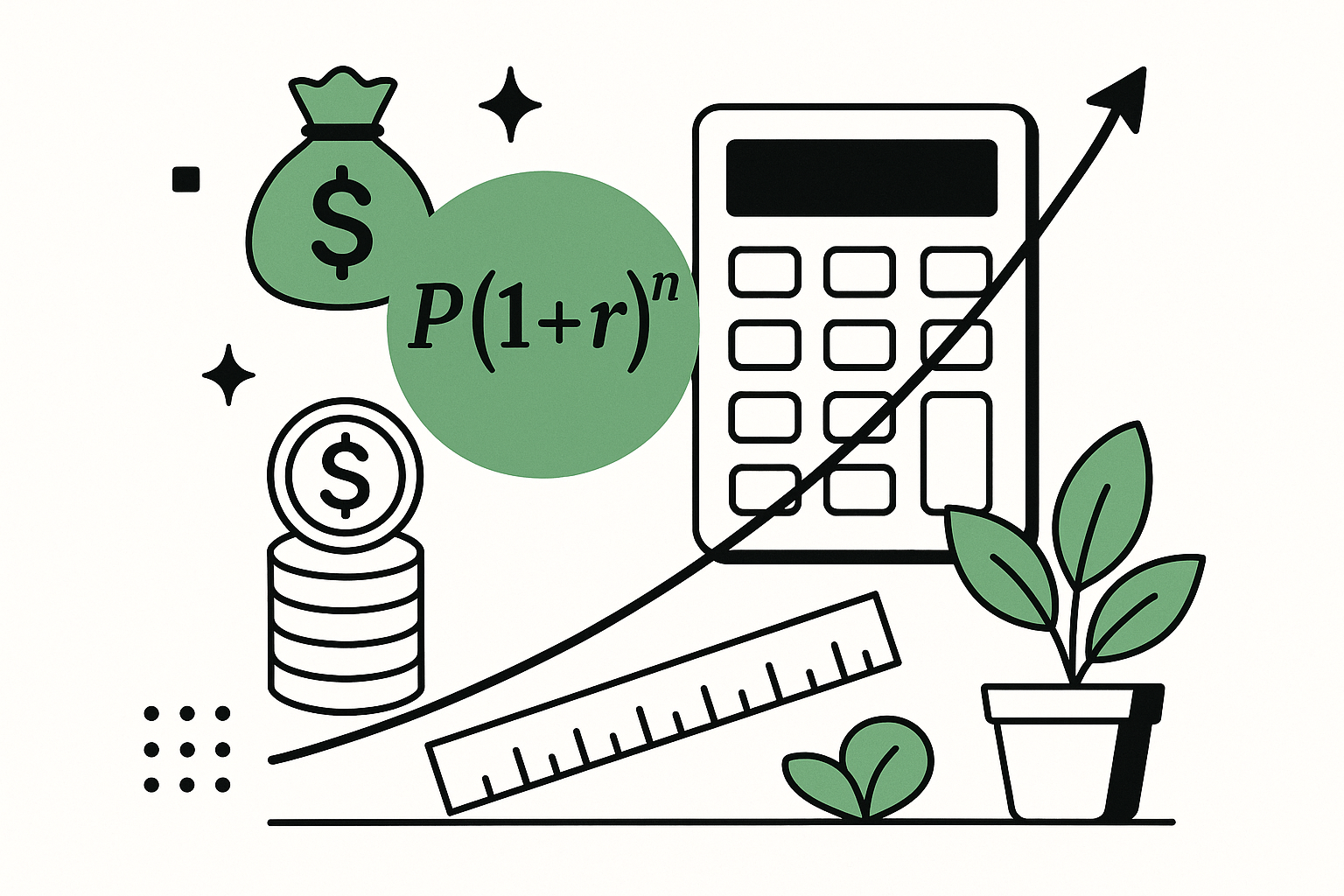
Understanding Compound Interest Calculators: Mathematics in Action
Compound interest calculators are powerful tools that help individuals and businesses make informed financial decisions by demonstrating how investments grow over time. By blending mathematical concepts with real-world applications, they transform abstract numbers into meaningful insights about the time value of money.
Understanding Fraud Prevention: Practical Lessons for Everyday Life
Fraud is a pervasive challenge that affects individuals, businesses, and governments worldwide. This article explores how understanding mathematics and real-world money matters can empower us all to recognize and prevent fraud, drawing from recent high-profile cases and new laws.
Fraud Prevention: Building a Safer Society Through Practical Awareness and Education
Fraud affects individuals and societies by undermining trust, robbing resources, and distorting fair opportunities. Through understanding real-world examples, mathematical clues, and sound prevention methods, everyone can contribute to anti-crime efforts and protect themselves from financial and personal loss.
How AI is Transforming Mathematics Education and Money Skills
Artificial intelligence isn't just a buzzword—it's rapidly reshaping the way students learn mathematics, connect classroom concepts to real-world money skills, and personalize their educational journeys. Discover the practical impact of AI in mathematics, from homework help to financial literacy, and how these innovations equip learners for today's world.
What is Fintech? Understanding the Modern Revolution in Money and Technology
Fintech is reshaping the way we manage and understand money by blending financial services with powerful technology. This article explores the practical meaning of fintech, connects it to mathematical and real-world money concepts, and introduces prominent innovators in the field.

Stay Safe Online: Understanding and Avoiding Modern Cyber Scams
Cyber scams are increasingly common in our daily lives, targeting individuals and businesses through deceptive tricks online. This article will help you learn how cyber scams work, their real-world money and mathematics connections, and practical steps anyone can take to protect themselves.
Practical Paths: Connecting Math Education to Everyday Life
Math education is most powerful when it goes beyond the textbook, connecting with real-world experiences—especially when it comes to finances. This article explores how practical learning and clear explanations can help all students understand the true value of mathematics.
Mathematics Education: Bridging Classroom Learning with Real-World Applications
A strong foundation in mathematics is essential, but students often question how math connects to everyday life. Effective math education today focuses on practical learning, clear explanations, and real-world applications—especially around money and decision-making.
Algorithmic Trading: The Mathematics Behind Modern Markets
Algorithmic trading has changed how financial markets operate. This article explores what algorithmic trading is, how it works, and why mathematics and money are closely intertwined in its application.
Math Education: Making Numbers Matter in Everyday Life
Practical learning and clear, real-world connections are transforming math education. By linking classroom lessons to everyday experiences—especially those involving money—students discover not only the relevance of mathematics, but also its power to shape confident, informed decisions in life.
How AI Is Transforming Mathematics Education—And Why It Matters for Everyday Life
Artificial intelligence is reshaping how students and professionals learn mathematics, making the subject more interactive and relevant to everyday decisions, including those about money. This article explores the practical uses of AI in math education, real-world connections, and the impact on financial and technology-driven careers.
Understanding Probability: Why It Matters in Daily Life and Financial Decisions
Probability is more than just a subject in mathematics class. It is a practical tool that helps us navigate risk, make better financial choices, and understand the world around us. This article breaks down basic probability concepts with real-world examples, linking mathematics learning to money matters and decision-making.
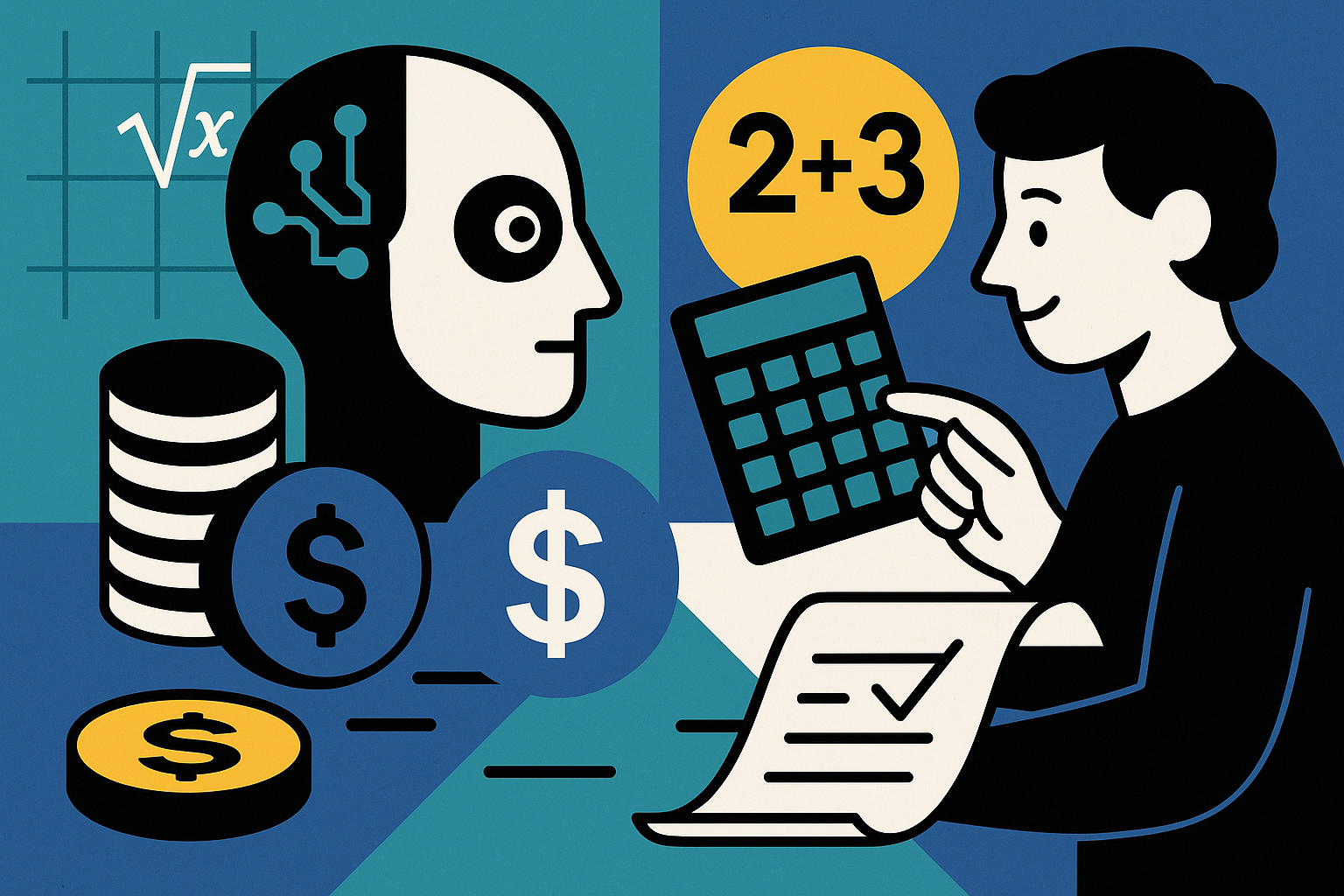
How AI is Shaping Mathematics Learning: Practical Impacts for Everyday Life
Artificial intelligence (AI) is transforming mathematics education by offering personalized learning, practical problem-solving tools, and new connections to real-world financial skills. This article explains how AI helps students understand mathematics more deeply, using money and everyday examples to highlight its value.
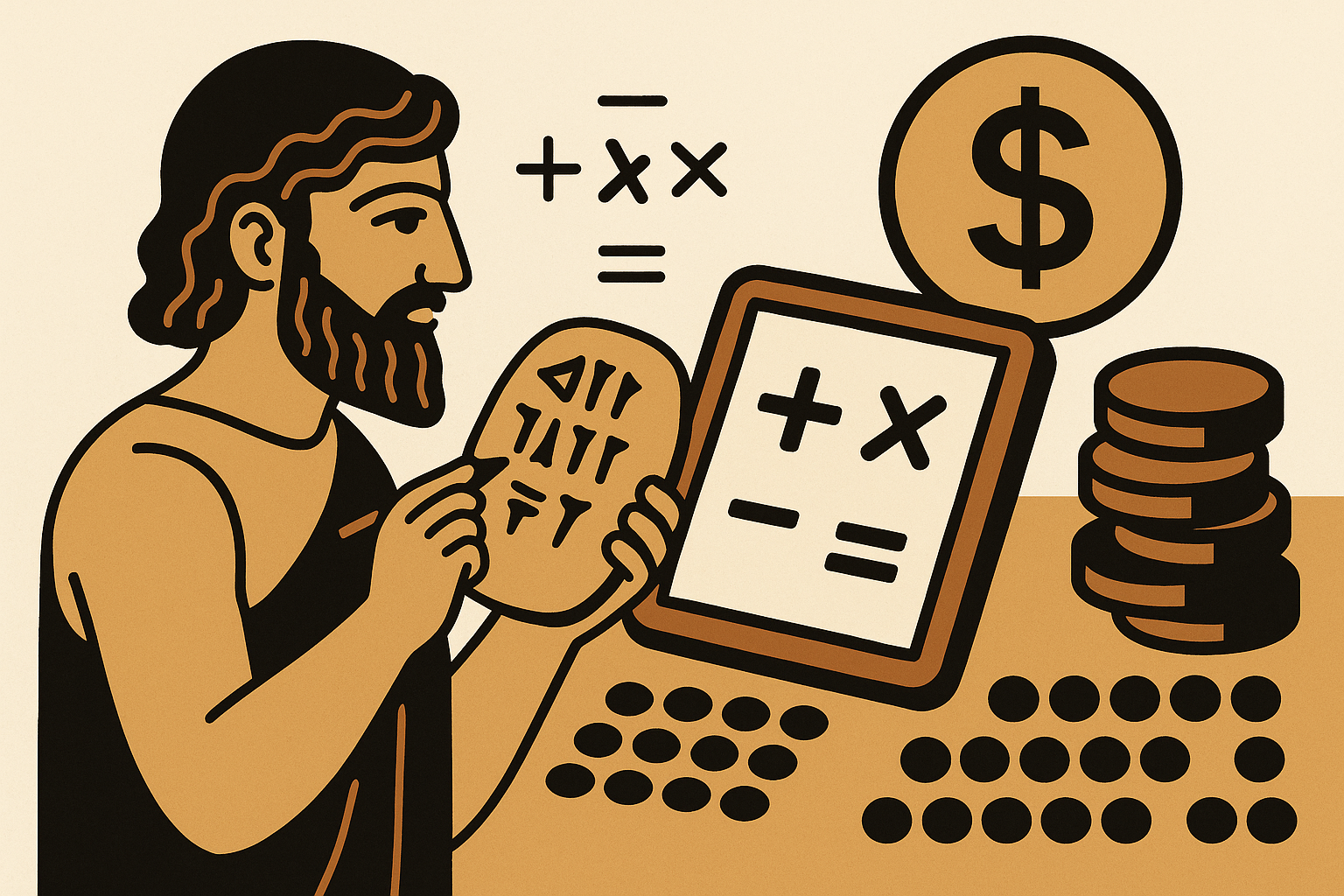
Ancient Accounting: The Birth of Mathematics and Money Management
Long before the word 'accounting' existed, ancient civilizations developed systems to track goods, trade, and wealth. These early forms of accounting were not only essential for palace administrators and traders—they also laid the groundwork for the mathematics, recordkeeping, and money management we depend on today.
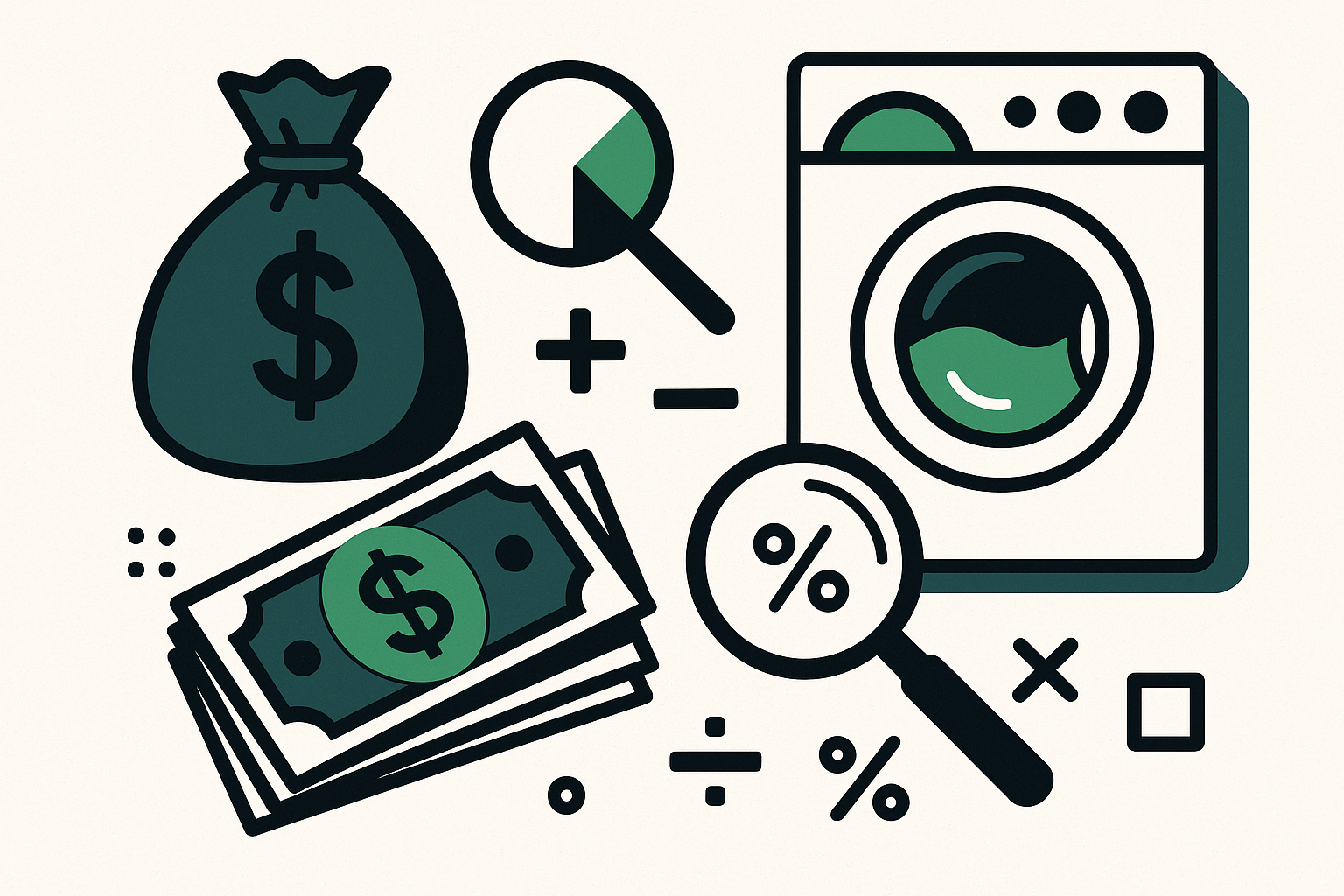
Understanding Money Laundering: What It Is and Why It Matters
Money laundering is a crucial concept in the fight against crime. It’s the method by which money earned from illegal activities is made to appear legitimate. This article explores what money laundering means, how it happens, and why everyone should understand its financial and mathematical implications.
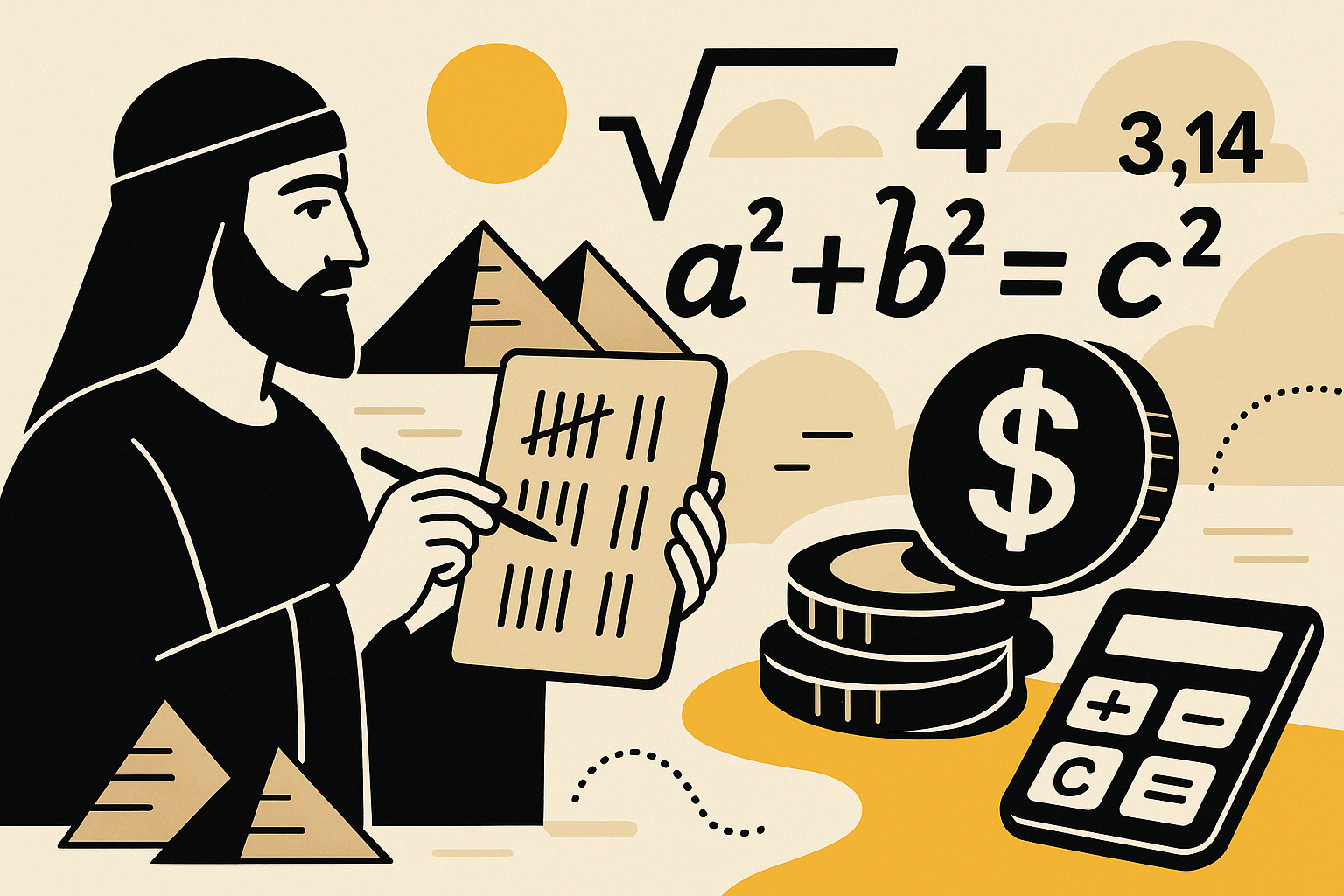
A Journey Through the History of Mathematics: From Ancient Counting to Modern Money
Mathematics has shaped societies for millennia, influencing everything from trade to technology. This article explores the historical development of mathematics, its crucial role in daily life, and its practical connections with money and economics.
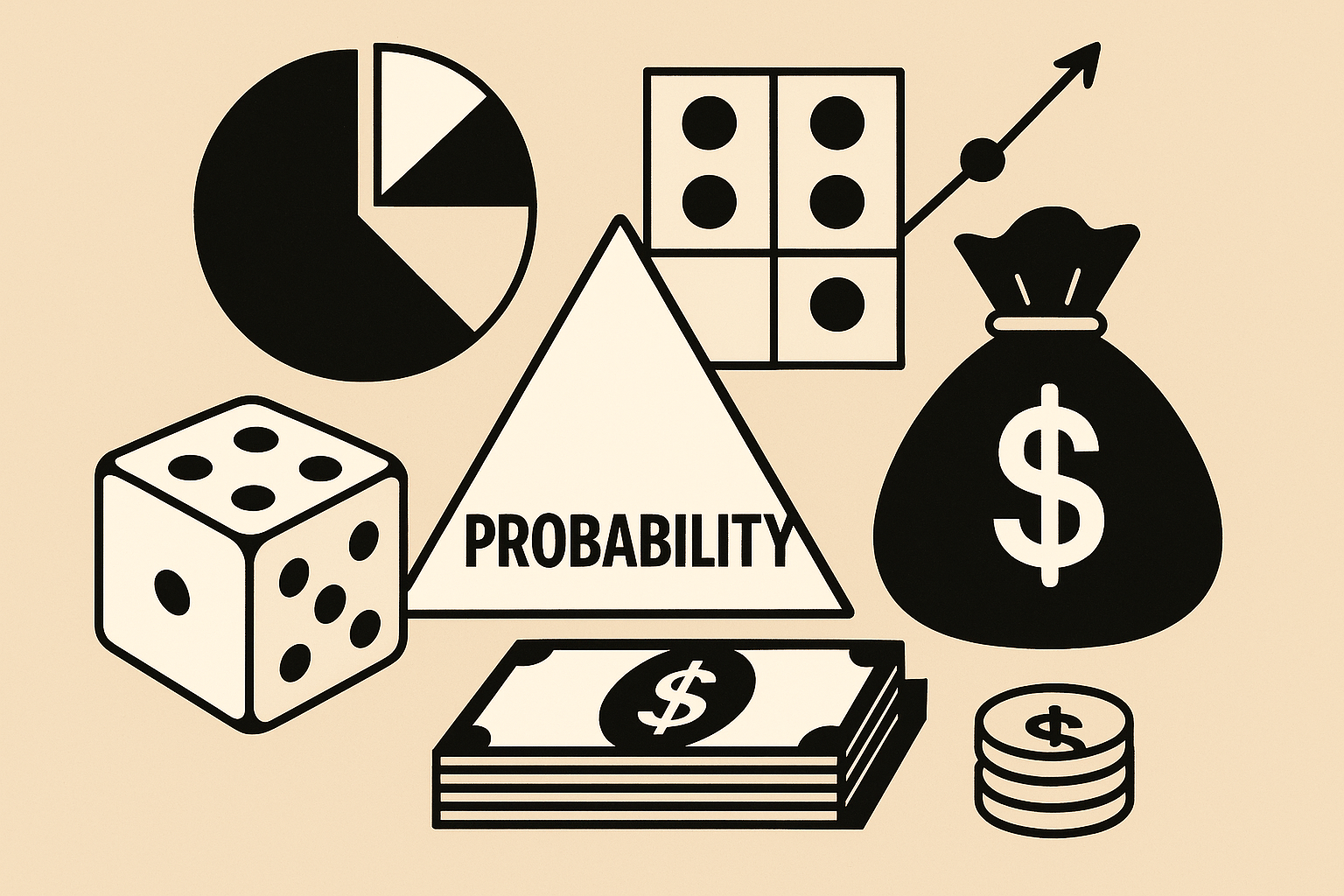
Understanding Probability: A Practical Guide to Mathematics in Everyday Life
Probability is a cornerstone of mathematics with powerful applications in our daily decisions about money, risk, and predictions. This guide introduces probability concepts for all learners and explores its very real impact—from games of chance to financial planning.
The Importance of Financial Literacy: Empowering Choices Through Practical Education
Financial literacy is an essential skill for navigating daily life, yet it is often overlooked in traditional education. By connecting foundational mathematics to real-world money management, individuals can develop the abilities and confidence needed to make wise financial decisions. This article explores practical approaches to financial literacy and highlights its vital role in empowering individuals for lifelong success.
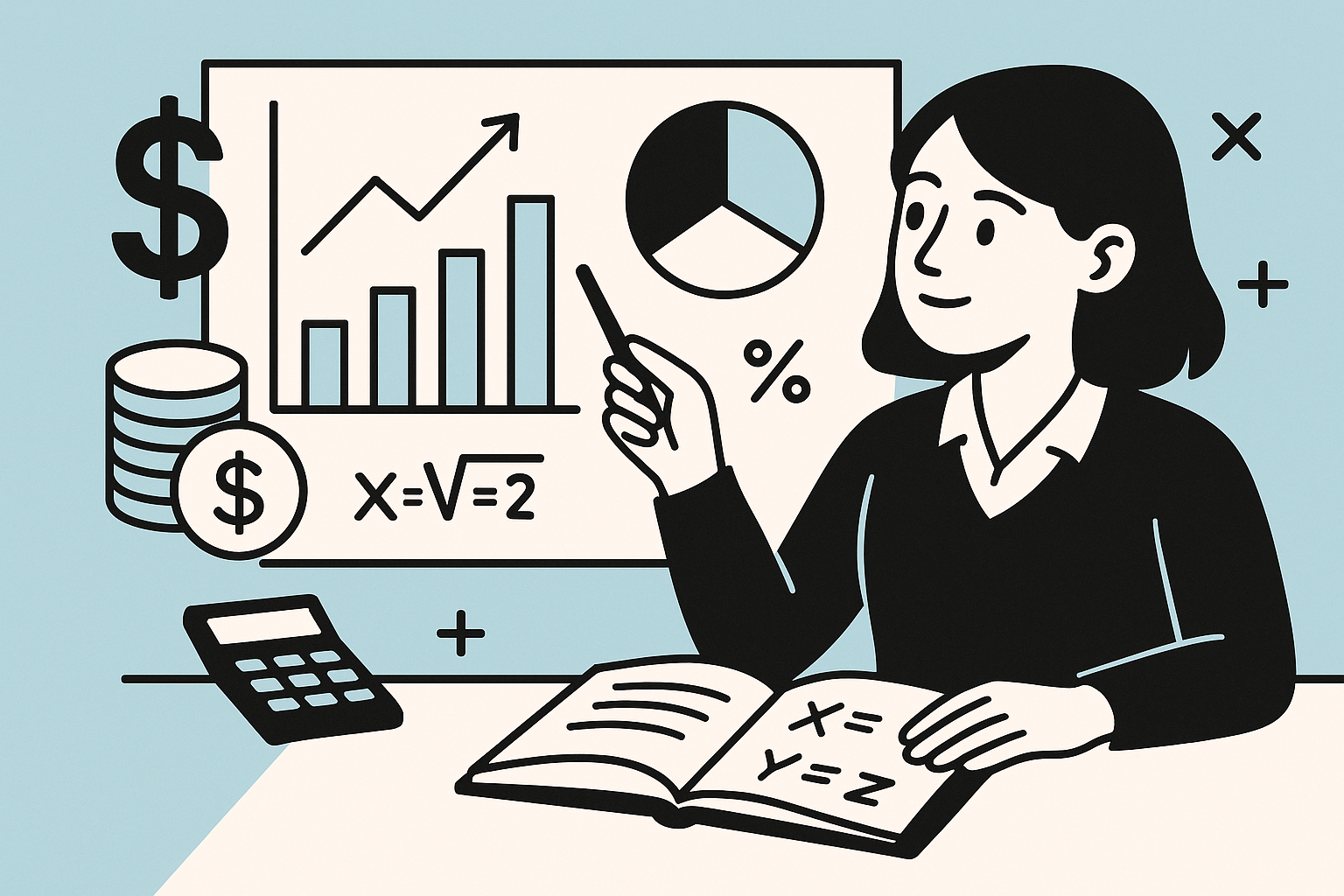
Understanding Statistics in Class 10: Making Math Meaningful for Life
Statistics is a crucial part of the class 10 mathematics curriculum, connecting classroom learning to real-world applications such as financial literacy, business, and data-driven decision-making. This article explores how practical learning in statistics prepares students for everyday challenges and why mastering these concepts is essential for navigating a world increasingly shaped by numbers.
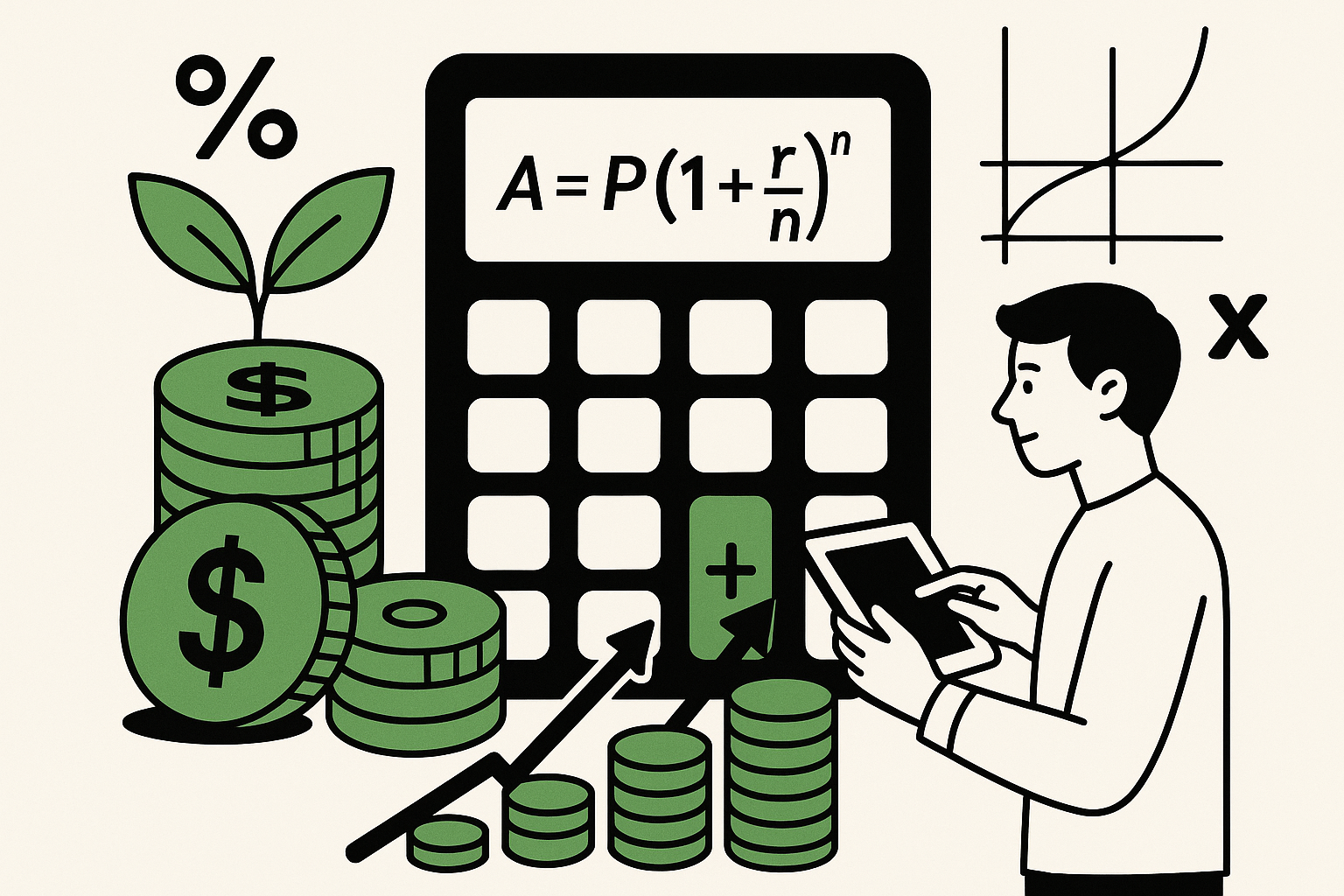
Understanding Compound Interest Calculators: The Power of Mathematics in Growing Money
A compound interest calculator is more than a financial tool—it's a practical application of mathematics that helps you visualize how money grows over time. By harnessing the principles behind compound interest, anyone can better plan for savings, investments, and financial goals. Let's explore how these calculators work, why compound interest is so powerful, and how this essential math shapes everyday financial decisions.
Money Habits: Building a Foundation for Financial Literacy in Everyday Life
Good money habits are both a reflection of culture and a crucial element of daily life, yet they often go unnoticed until their absence becomes a challenge. By combining lessons from mathematics education and practical financial experience, children and adults alike can develop a toolkit for smart decision-making. This article explores how cultivating strong money habits not only fosters personal security but also strengthens communities, all through the lens of practical learning.
Understanding Compound Interest Calculators: Unlocking the Power of Your Money
A compound interest calculator is a mathematical tool that helps you see how your savings, investments, or debts grow over time. This article explains the concept of compound interest, shows how calculators work, and connects these ideas to practical, real-world situations.
Making Math Meaningful: Practical Approaches to Mathematics Education
Mathematics is often seen as a subject of abstract numbers and formulas, but its power truly lies in real-world application. Shifting towards practical math education not only improves understanding, but also prepares students for everyday financial and problem-solving challenges.
Understanding Fintech: Where Technology, Money, and Mathematics Meet
Fintech, or financial technology, is transforming the way the world manages money. Blending innovations in software with practical applications in banking, investing, payments, and more, fintech impacts our daily lives—and thrives on a foundation of mathematics and financial literacy.
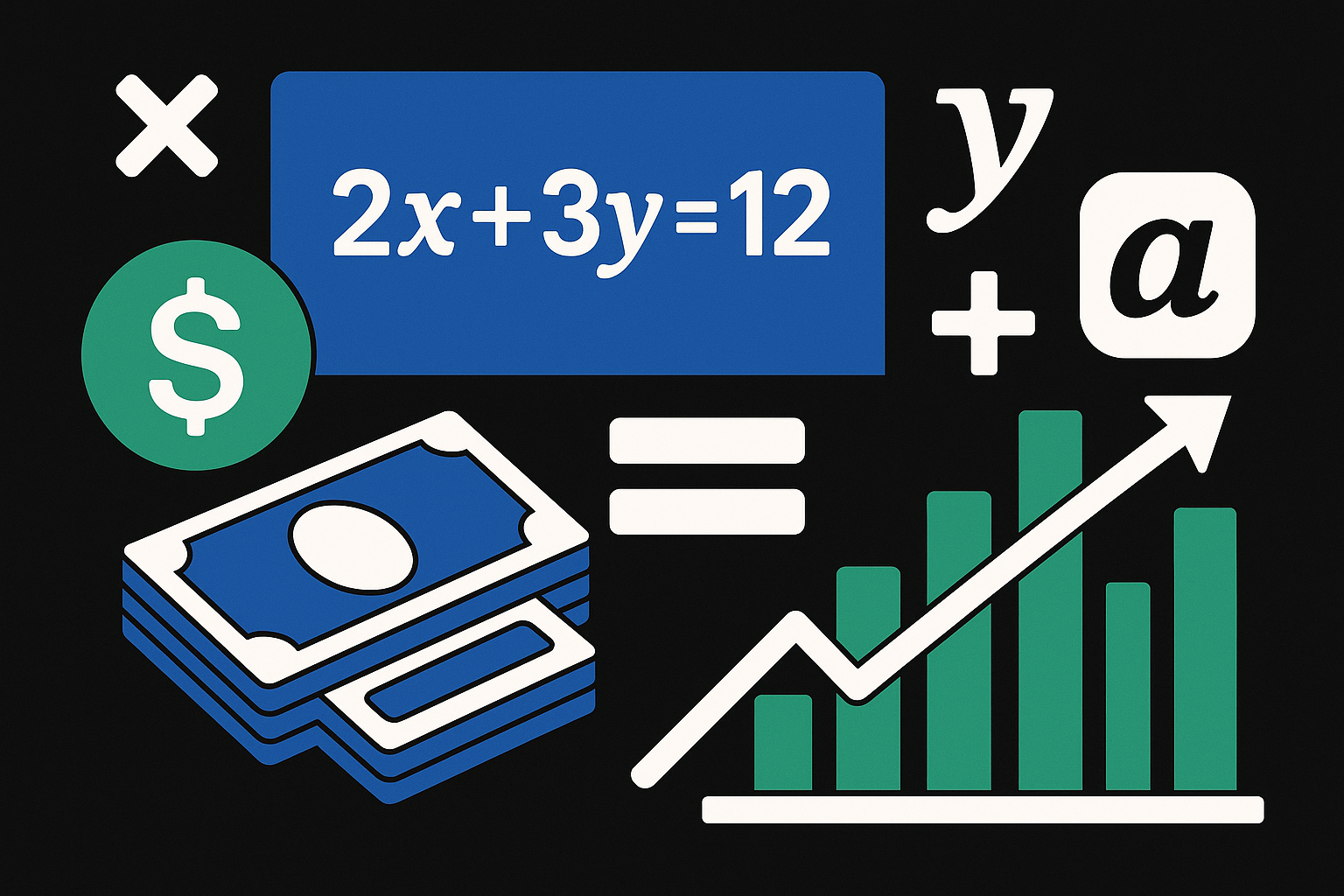
Understanding Algebra: The Building Blocks of Mathematical Problem-Solving
Algebra is more than just a subject in school — it’s a powerful tool for solving real-life problems, especially those involving everyday decisions about money and resource management. This article explains the basics of algebra, its importance in education, and how its concepts directly connect to decisions people make every day.
Unmasking Money Laundering: What It Means and Why It Matters
Money laundering is a complex process where illegal funds are disguised as legitimate assets. This article explores the basics of money laundering, connects it to real-world financial practices and mathematics, and explains why understanding this crime is essential for everyone in today’s interconnected economy.
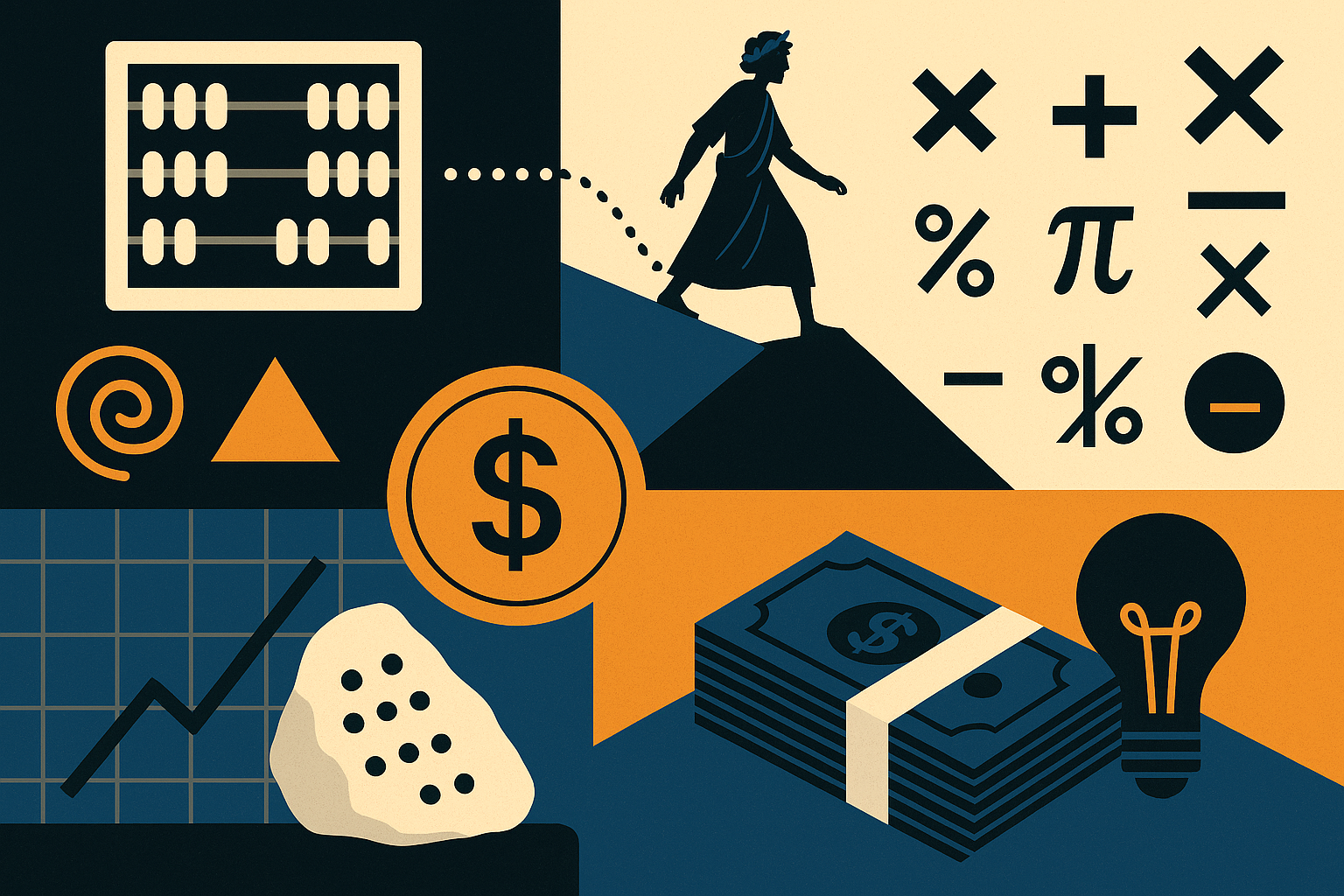
A Journey Through the History of Mathematics: From Ancient Tools to Modern Money
Mathematics has shaped human civilization for thousands of years, fueling trade, science, and technology. Its history is rich and practical, impacting everything from ancient counting to modern financial systems. Exploring how math evolved helps us understand the power and relevance of numbers in daily life, especially in matters as important as money.
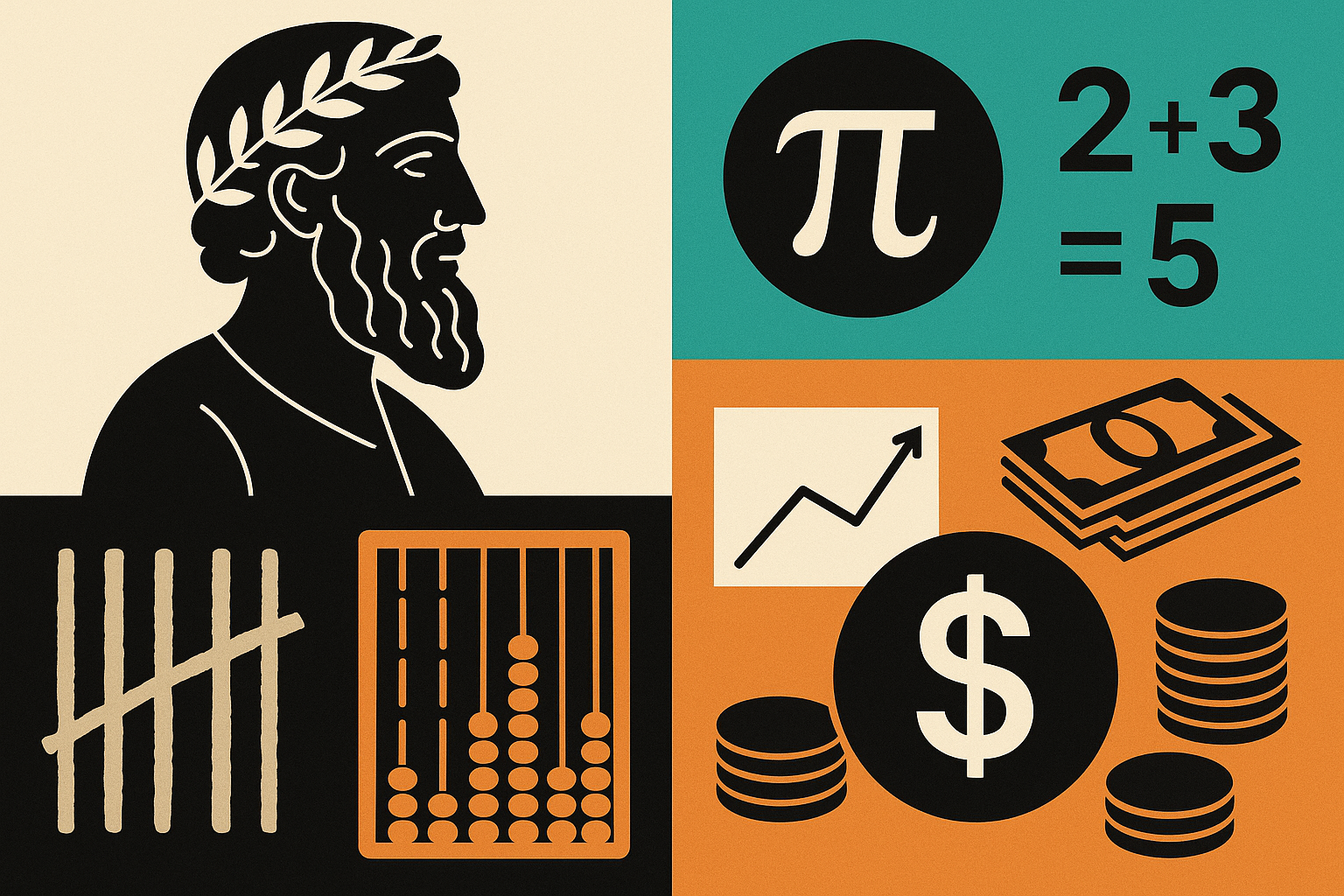
The History of Mathematics: From Ancient Counting to Modern Money
Explore the remarkable journey of mathematics from ancient civilizations to contemporary classrooms, and discover how early counting methods evolved into the complex systems we use to manage money and solve real-world problems today.
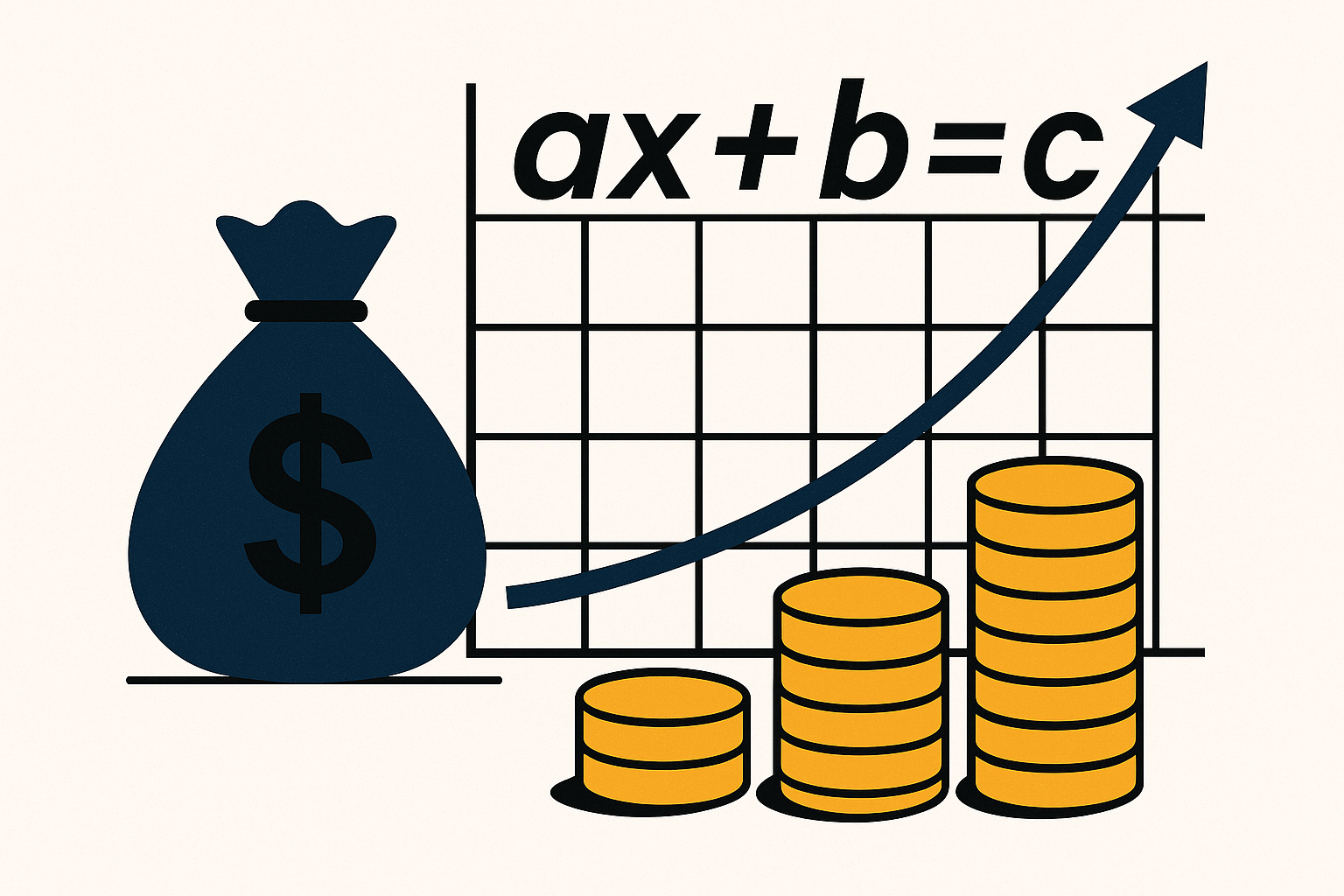
Understanding Algebra: More Than Just Numbers
Algebra is a foundational branch of mathematics that serves as a bridge between basic arithmetic and more advanced topics. Often viewed as abstract, algebra is in fact deeply tied to real-world situations, especially when it comes to money, budgeting, and problem solving.
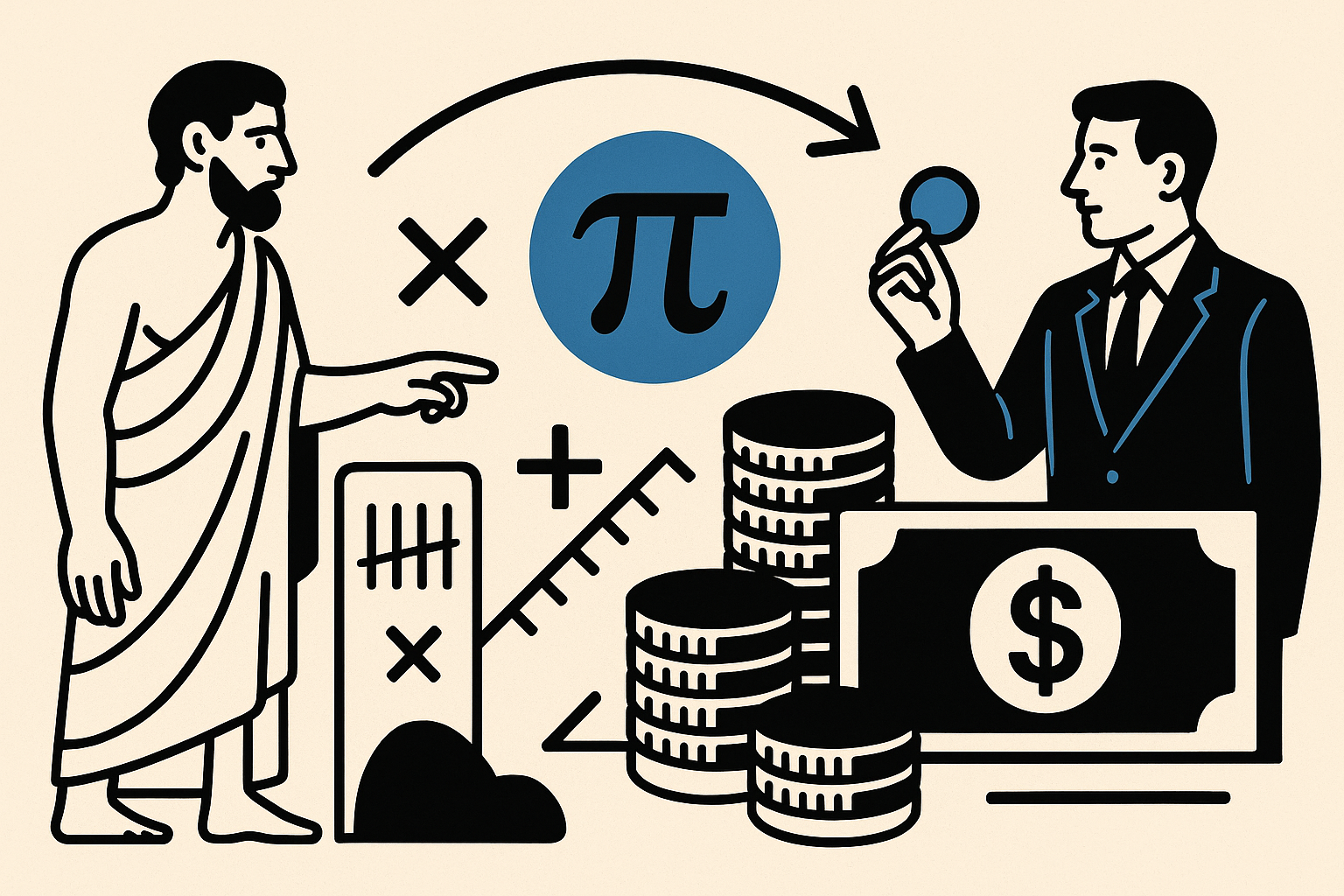
A Journey Through the History of Mathematics: From Ancient Counting to Modern-Day Money Matters
Explore the fascinating history of mathematics, its impact on civilization, and how its principles shape our daily financial decisions. From the earliest methods of counting to mathematical finance in the modern era, this article unveils the enduring practical power of math in the real world.
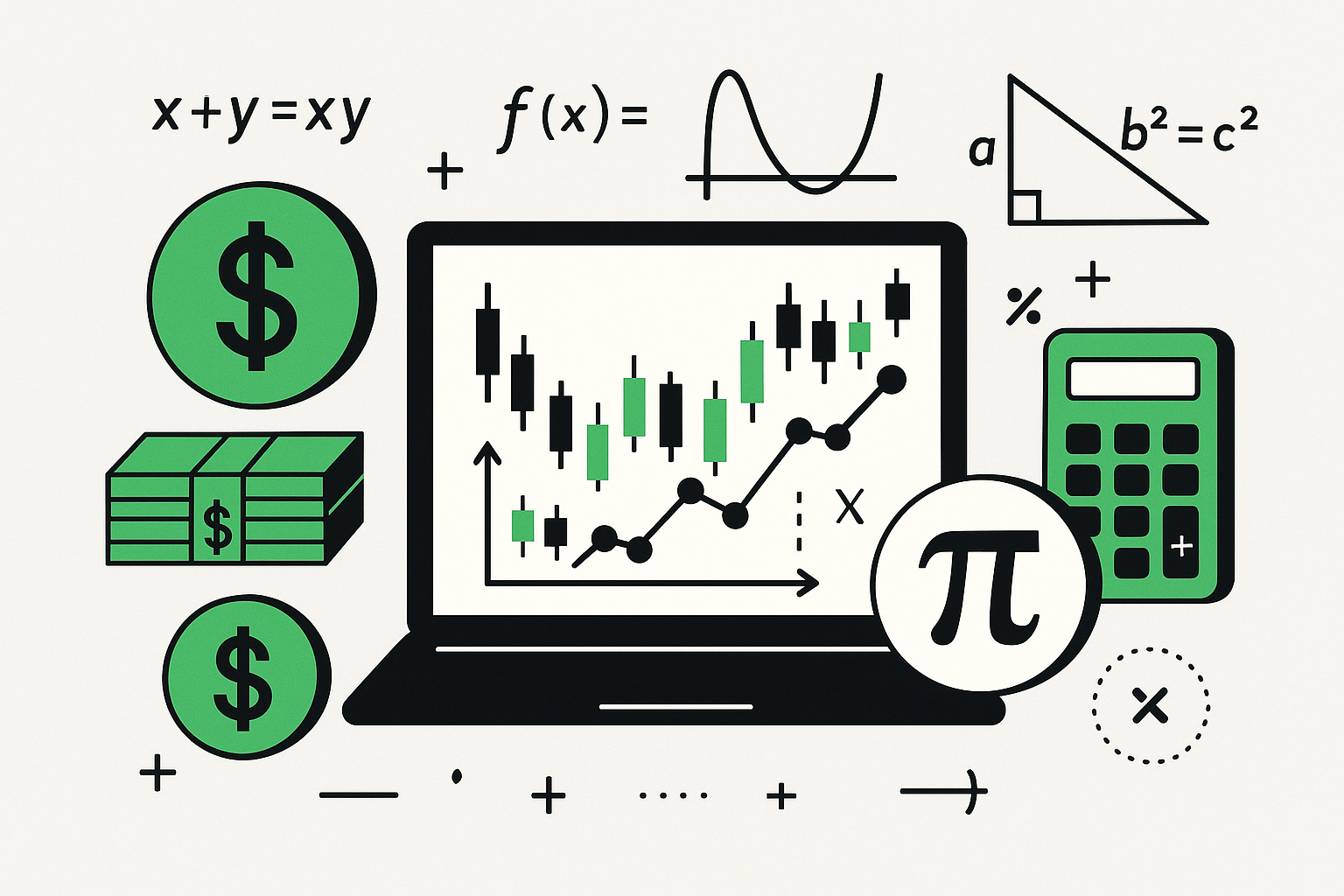
Algorithmic Trading: The Mathematics Behind Modern Markets
Algorithmic trading, once the exclusive domain of expert mathematicians and computer scientists, now plays a central role in global finance. This article explains what algorithmic trading is, how it works, and why mathematics and quick computation are fundamental to its success. Along the way, real-world examples and practical connections to money are uncovered for anyone curious about technology's role in shaping modern markets.
Making Math Count: Connecting Numbers to Real Life and Money
Mathematics education is more than memorizing formulas—it's about practical thinking and problem-solving. By linking classroom math to everyday money matters and clear, hands-on examples, students can build stronger understanding and lasting confidence in their abilities.
Algorithmic Trading: The Math-Powered Revolution Reshaping Finance
Algorithmic trading is quietly transforming the world’s financial markets by employing mathematics, technology, and lightning-fast computers to trade assets intelligently. This article explains how algorithmic trading works, its mathematical foundations, and its connections to real-world money management, providing clear insights for anyone curious about the technological heart of modern finance.
Understanding Fintech: How Technology is Reshaping Money Management
Fintech, short for financial technology, has transformed how individuals and businesses interact with money. Learn how mathematics, real-world applications, and practical tools connect in today’s fintech landscape.
The Growing Shadow of Cyber Scams: What You Need to Know to Stay Safe
Cyber scams are costing individuals and businesses billions worldwide, growing increasingly sophisticated with advances in technology. Understanding the mechanics behind these scams, learning to recognize warning signs, and appreciating their real-world financial impact can help everyone become better protected in our hyperconnected age.
Making Math Matter: Practical Approaches to Mathematics Education
Mathematics is often seen as a collection of abstract rules and equations, but its real-world relevance, especially in areas like money management, underlines the importance of clear explanations and hands-on learning. This article explores practical strategies for making math education meaningful, with a special focus on connecting mathematics to everyday situations.
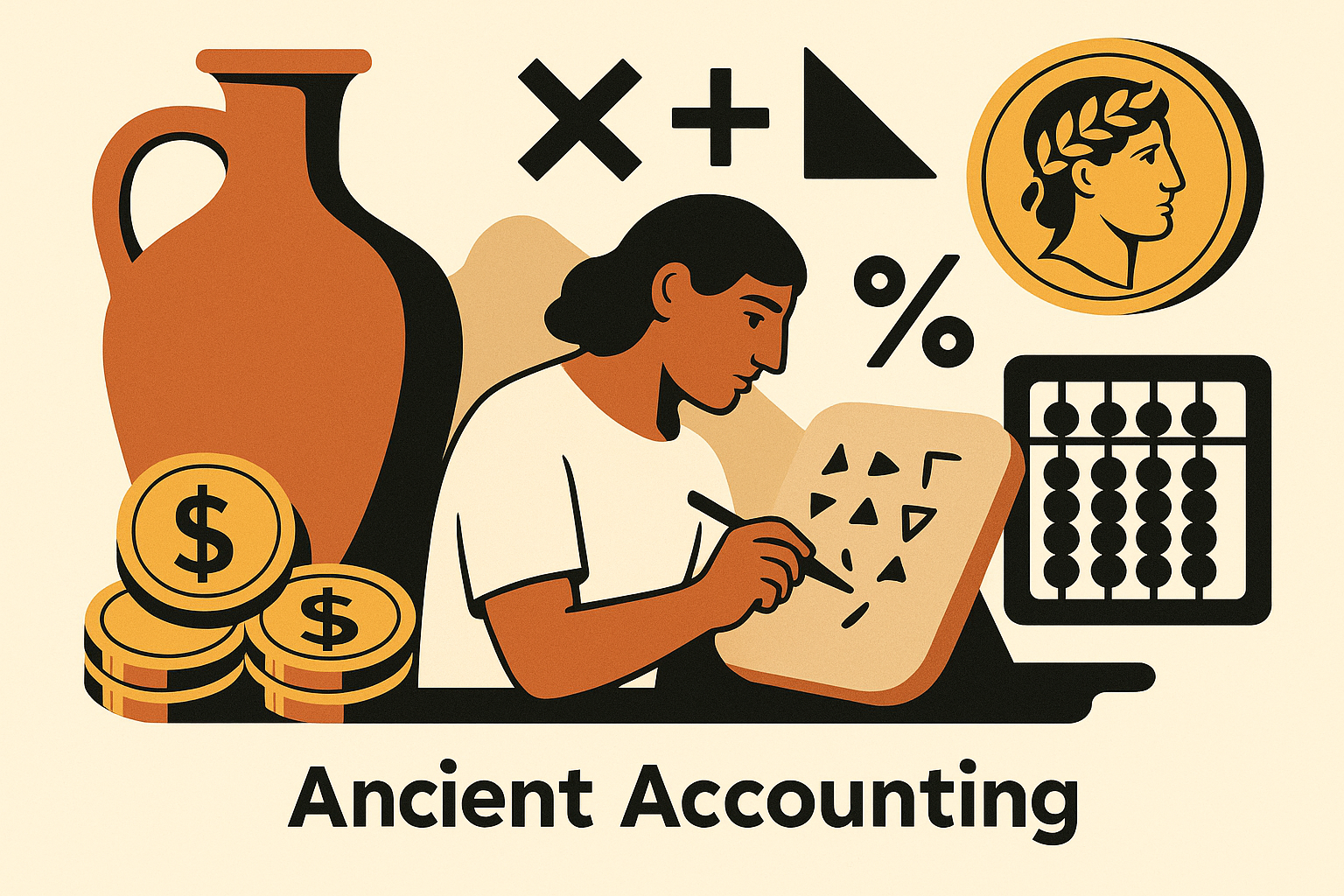
Ancient Accounting: The Birth of Numbers, Money, and Record-Keeping
Modern money management and business practices have deep roots in the ancient past. The story of accounting is one of practical problem-solving, dating back thousands of years to early civilizations like Mesopotamia, Egypt, and Rome. This article explores how ancient peoples invented the first systems for tracking economic activity, creating tools and concepts still relevant in today’s world of finance and mathematics.
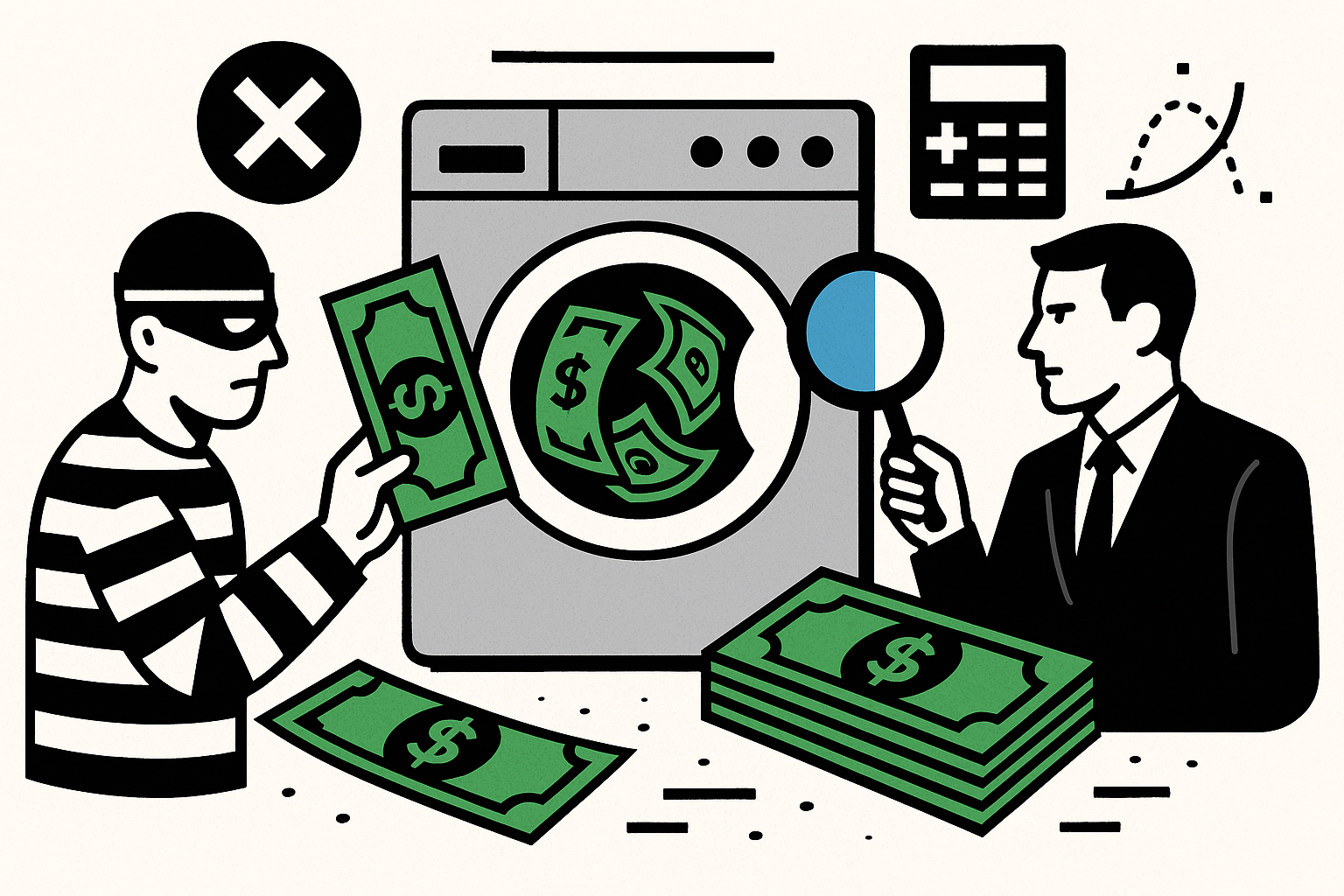
Money Laundering: Understanding the Basics and Fighting Crime
Money laundering is the process of making illegally-gained money appear legal. Learn what money laundering is, how it works, and why it matters for our society and financial systems, with clear practical examples and real-world math connections.
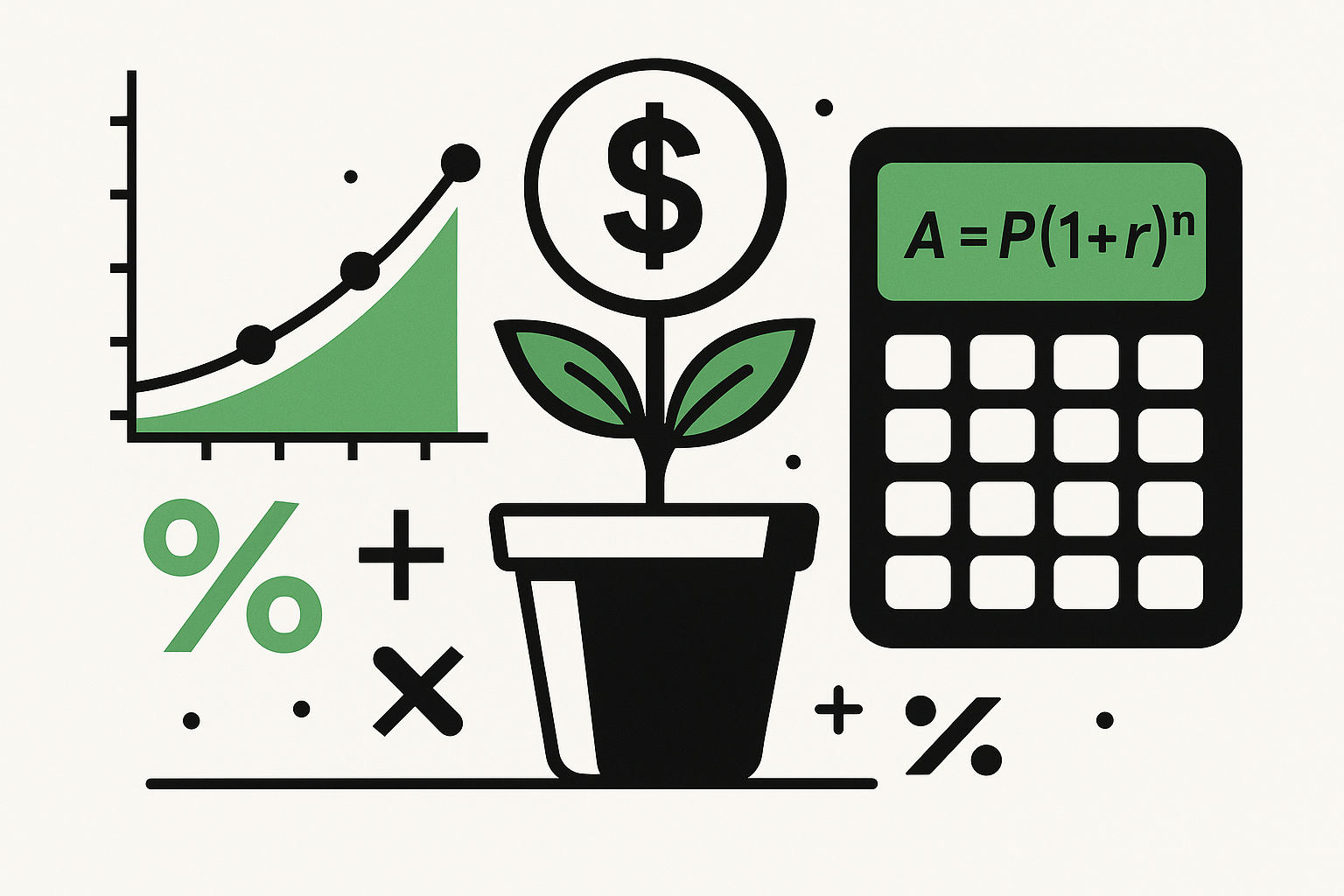
Understanding Compound Interest Calculators: The Math Behind Growing Money
A compound interest calculator is a practical tool that brings mathematics to life, helping people visualize how their savings can grow over time thanks to the power of compound interest. This article explores how these calculators work, their mathematical foundations, and why understanding them is useful in real-world financial decisions.
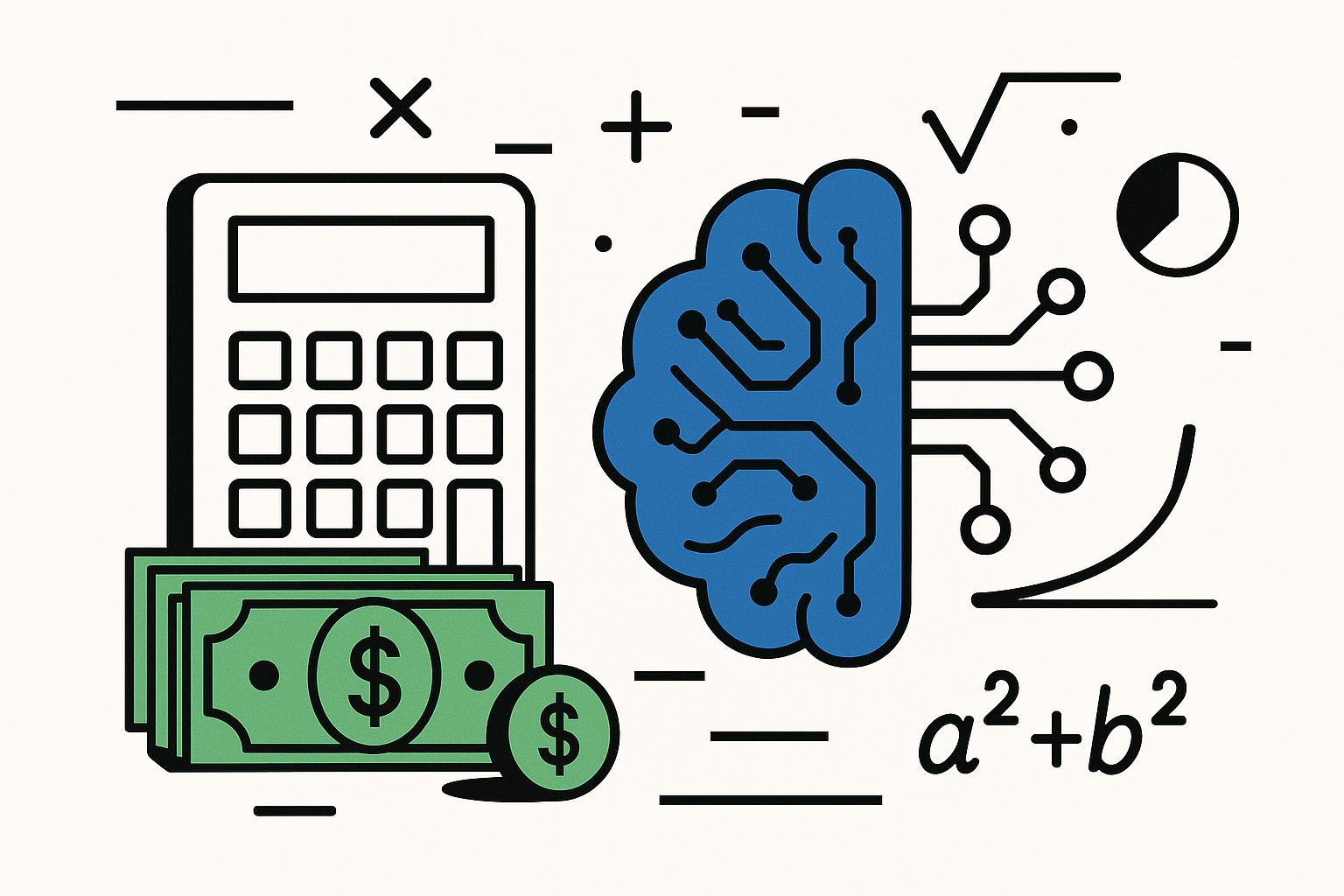
AI in Mathematics: Revolutionizing Learning and Real-World Problem Solving
Artificial intelligence is rapidly transforming mathematics education, making mathematical concepts more accessible and applicable to everyday life. Through AI-powered tools, both students and teachers are finding innovative ways to connect math to real-world scenarios, especially in areas involving personal finance and business. This article explains how AI is changing the way we learn and use mathematics, with a focus on practical benefits and money-related skills.
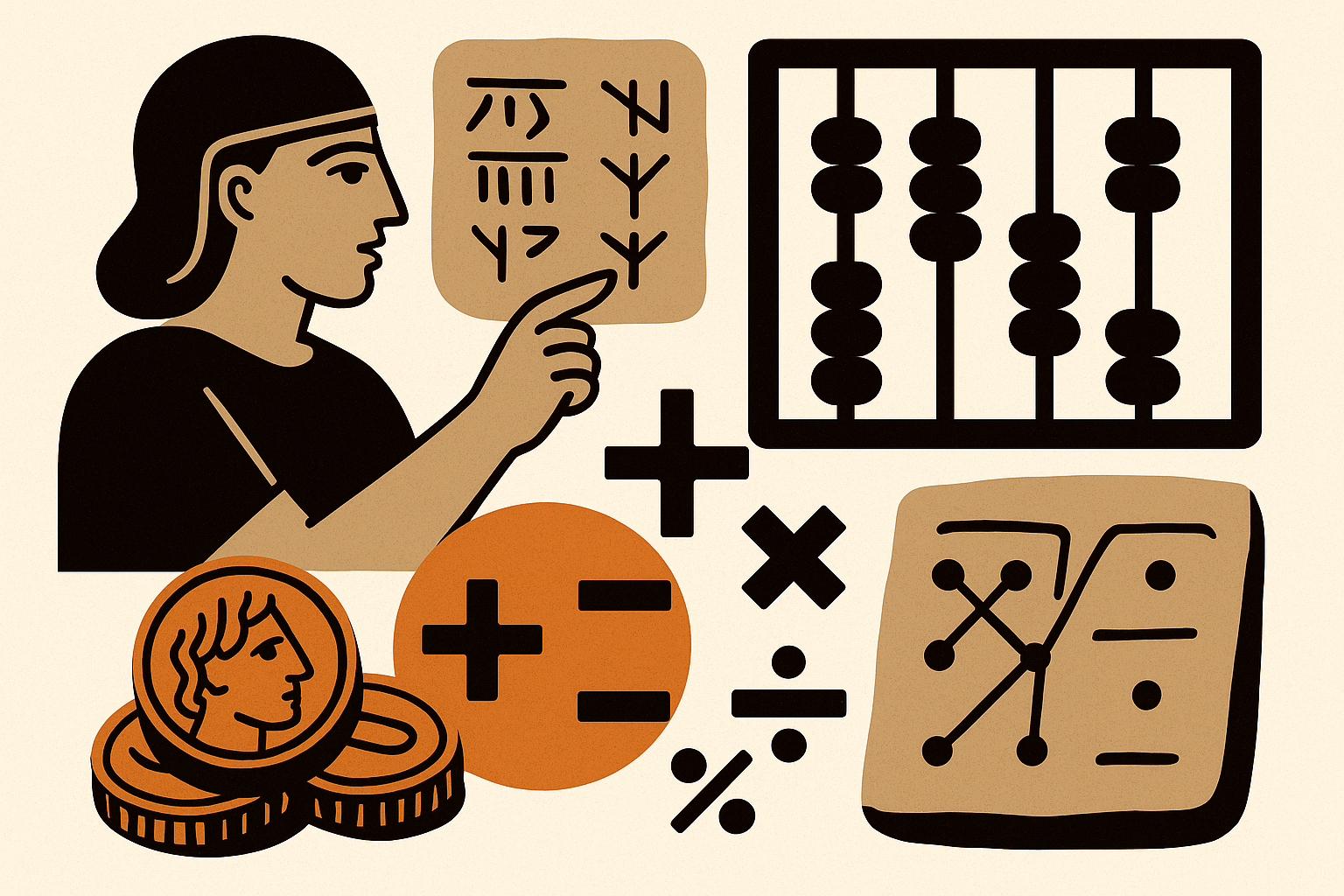
Ancient Accounting: The Roots of Mathematics and Money Management
Long before calculators or digital spreadsheets, ancient civilizations developed ways to track resources, calculate values, and manage early money systems. Exploring the practical origins of accounting helps us understand both history and the enduring power of mathematics in daily life.
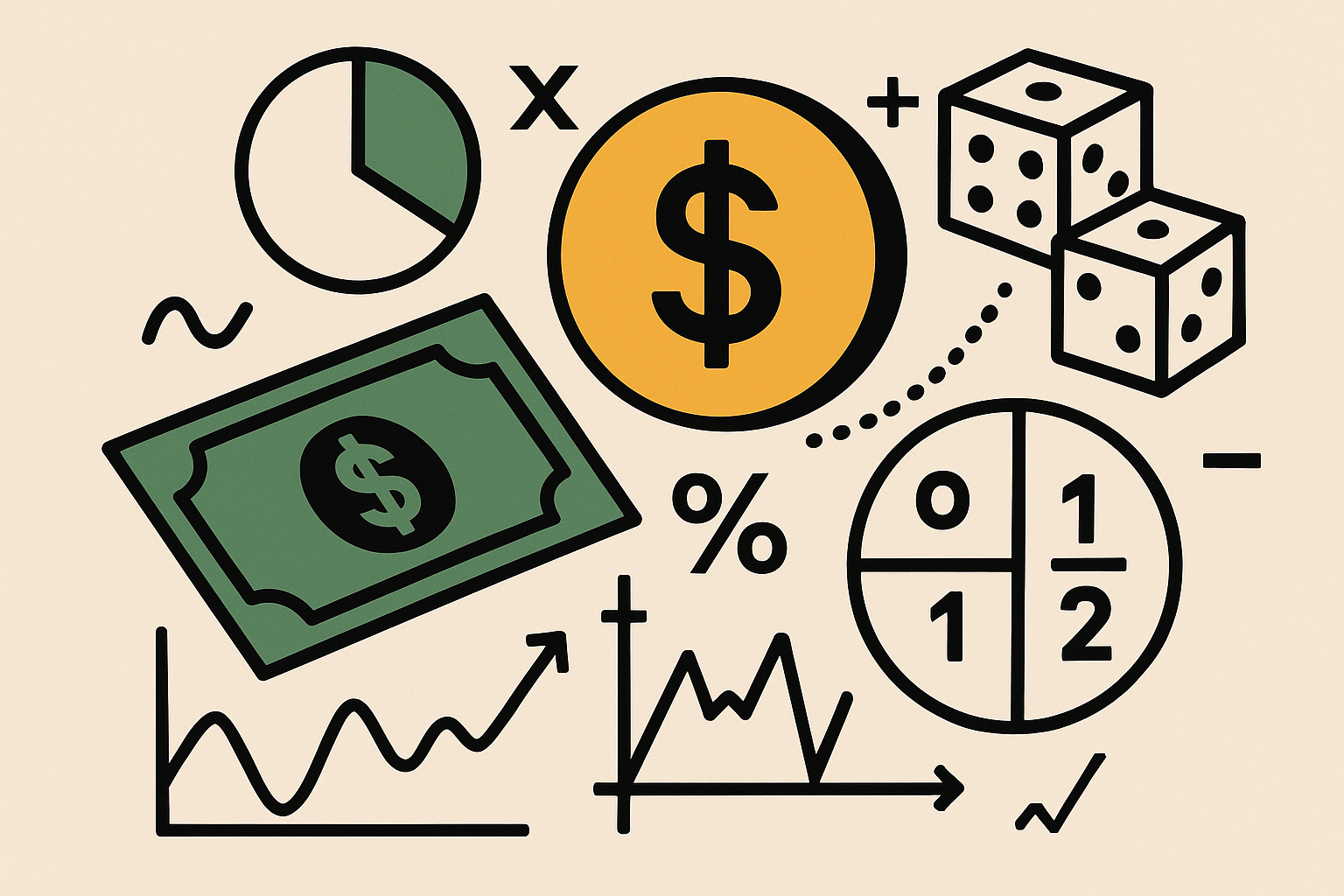
Understanding Probability: The Mathematics of Uncertainty and Everyday Decision-Making
Probability is more than a mathematical concept—it's a practical tool that impacts many aspects of daily life, from finance to game shows. This article explains probability in clear terms and explores its real-world connections, especially how understanding chances can help us make smarter decisions about money, risk, and opportunity.
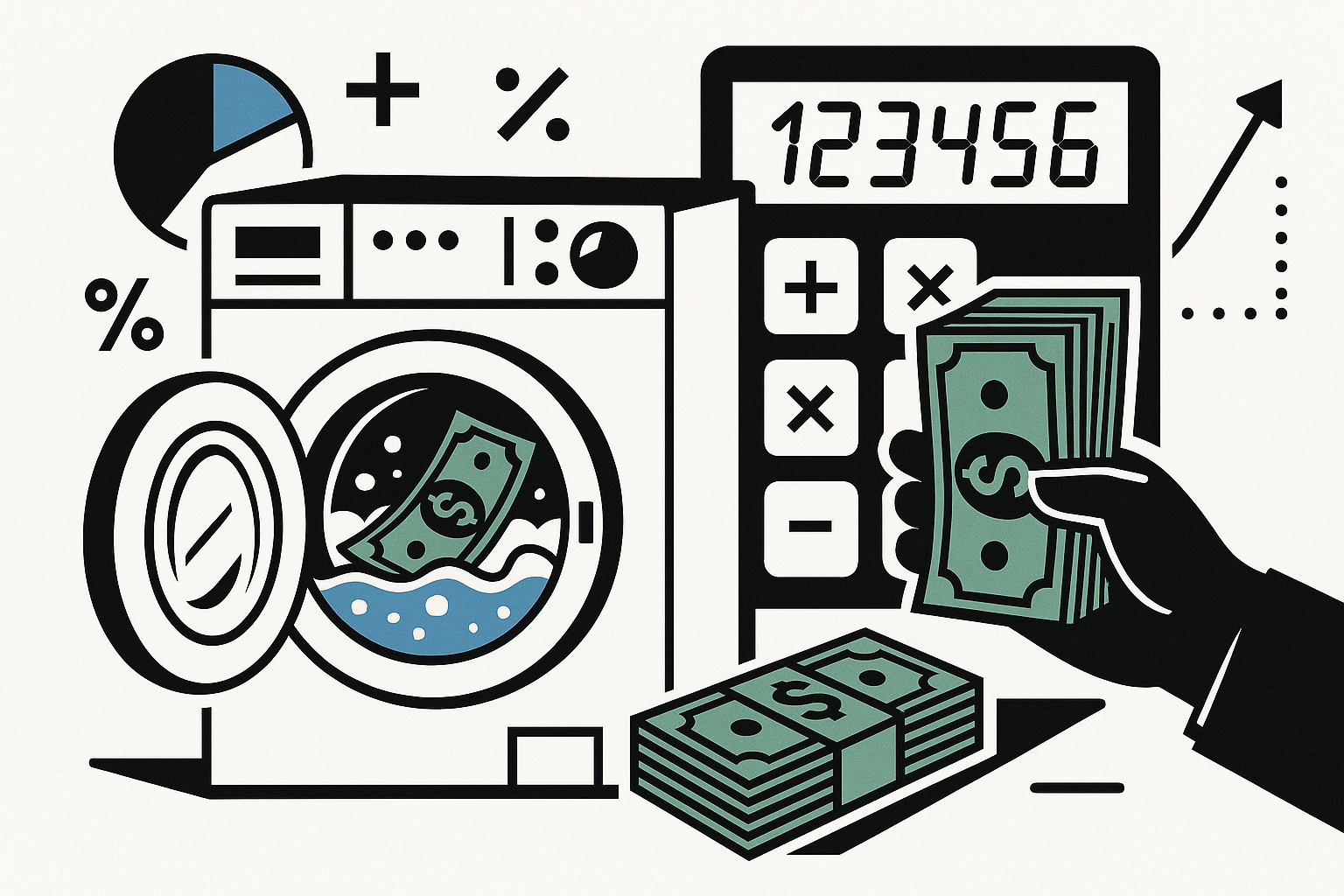
Money Laundering: Understanding the Process and Its Impact
Money laundering is a complex financial crime that transforms illegal profits into seemingly legitimate assets. This educational article explains how money laundering works, its real-world consequences, and the mathematical logic behind tracking suspicious transactions, helping readers gain practical understanding of the powerful connections between crime, currency, and anti-laundering efforts.
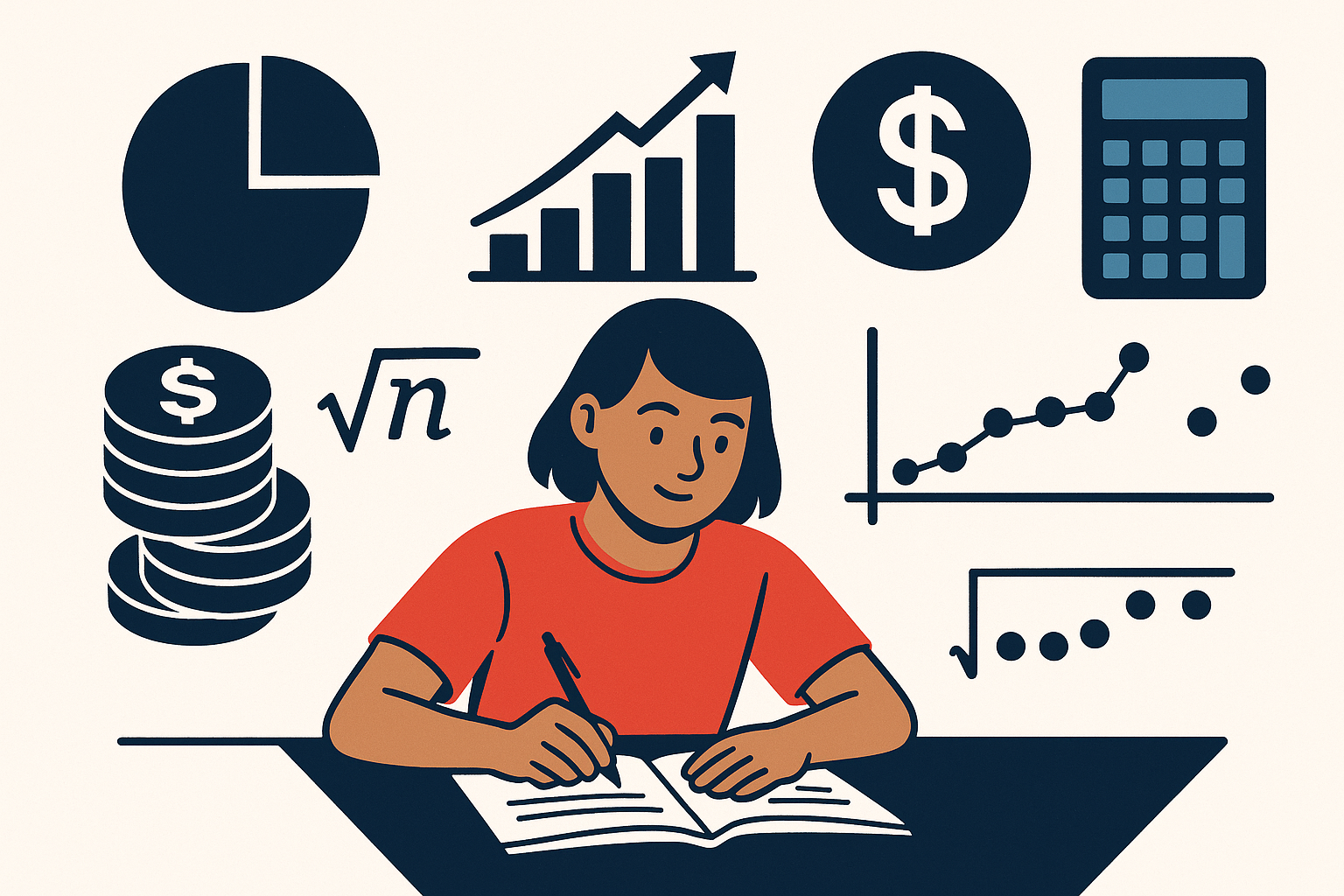
Understanding Statistics in Class 10: A Key Skill for Life and Money
Statistics is more than just numbers on a page—it’s a powerful way to make sense of the world, manage money, and solve problems. In class 10, students explore fundamental statistical concepts that connect deeply with real-world scenarios, from budgeting to career choices.
Statistics Class 10: Practical Learning for Real-World Success
Statistics in class 10 mathematics is more than numbers and graphs—it teaches us how information shapes decisions in everyday life, especially when it comes to money and financial choices. This article explores how statistics education connects to real-life scenarios, financial literacy, and problem-solving, explaining complex ideas in practical, approachable ways.
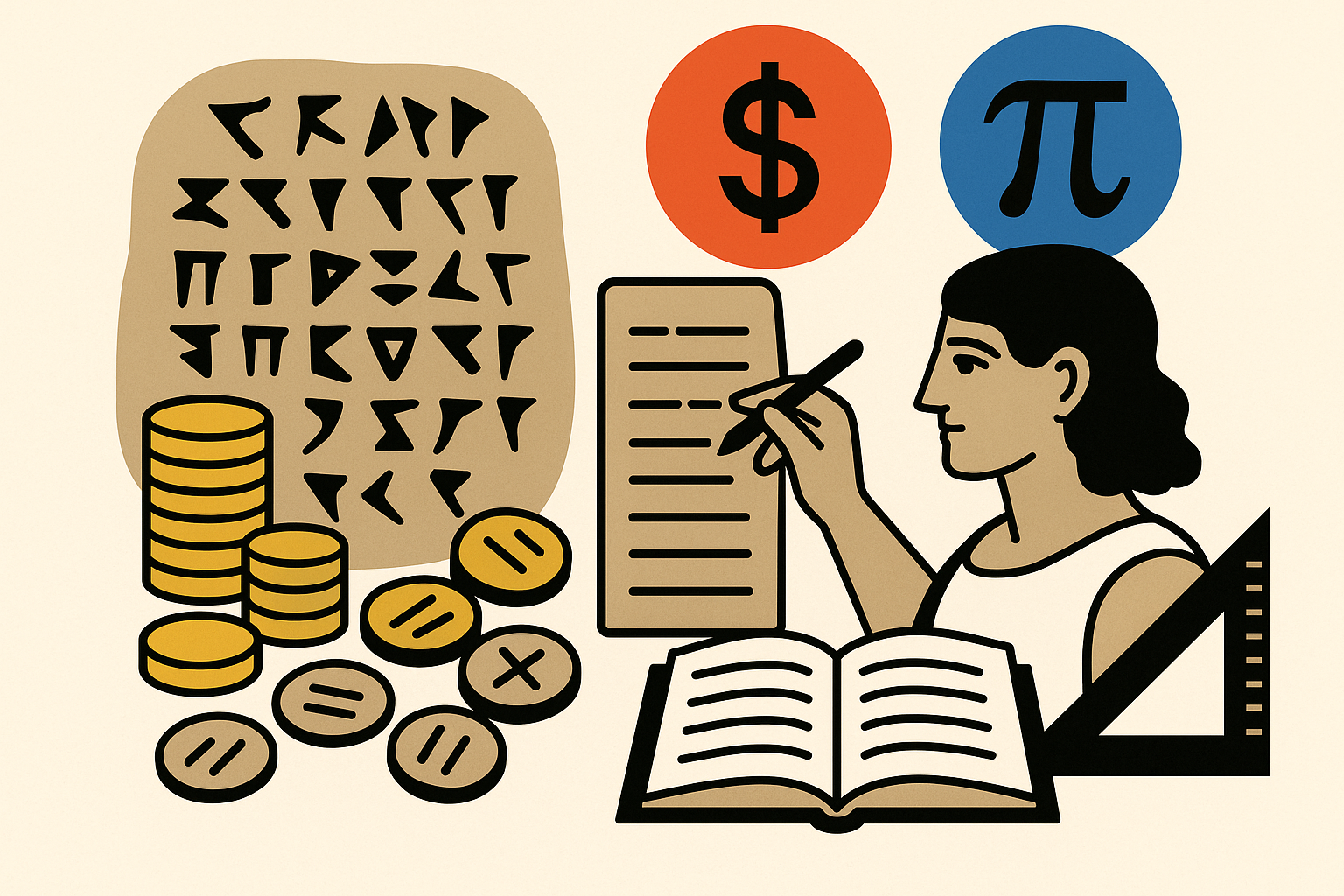
Ancient Accounting: The Origins of Money, Mathematics, and Record-Keeping
Explore how ancient accounting systems shaped the development of money management, mathematics, and education. Learn how early civilizations used creative tools and methods to keep track of wealth and resources—skills that remain vital in the modern world.
Understanding Probability: How Mathematics Connects to Everyday Life and Money
Probability is more than a mathematical concept—it's a way of quantifying uncertainty and making informed decisions. From games of chance to financial investments, learning probability can have practical impacts on how we understand and navigate the world, especially related to money.
Class 10 Statistics: Understanding Data and its Real-World Value
Statistics in the Class 10 curriculum is more than just numbers and formulas. It introduces students to the art of making sense of data and its direct applications in daily life—including how mathematics and money management are intertwined in practical scenarios. By learning statistics, students gain essential skills for evaluating information and making informed decisions that extend far beyond the classroom.
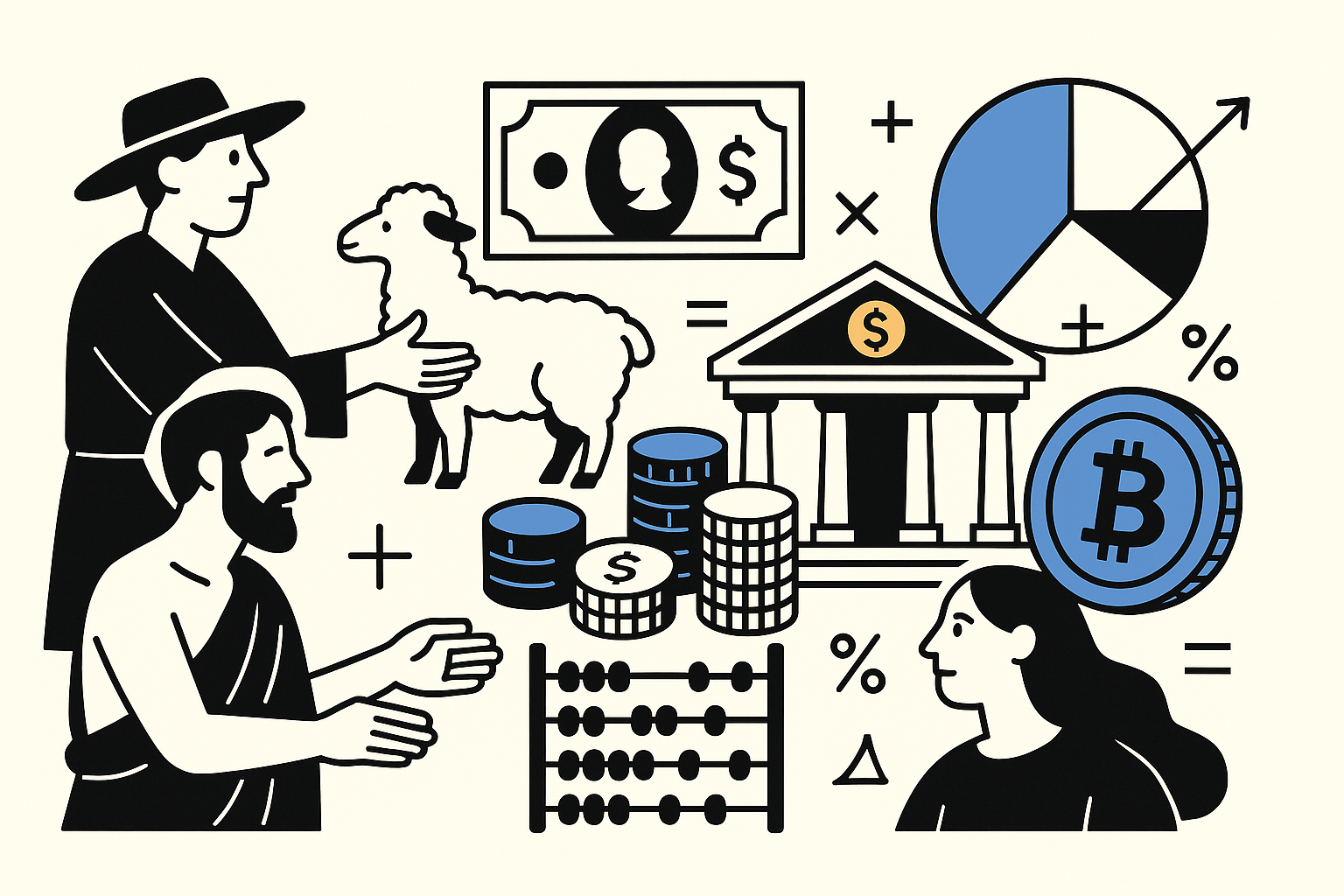
From Barter to Bitcoin: The Fascinating History of Money
Money, a concept so central to our daily lives, has undergone an incredible transformation over thousands of years. Understanding its history reveals not only how societies have solved problems of trade and trust, but also important lessons in mathematics, economics, and even human psychology.
Outsmarting Cyber Scams: A Practical Guide to Staying Safe and Saving Money
Cyber scams are a growing global threat, costing people and businesses billions of dollars every year. Understanding how these scams work and how to protect yourself is vital in our increasingly digital world. This article explains the mathematical impact of cybercrime, explores real-world examples, and provides practical steps you can take to keep your money—and your information—secure.
Making Sense of Math: Practical Learning for Real-World Success
Math education is more than solving equations — it's about giving students the tools they need to understand the world, manage money, and make confident decisions in daily life. By focusing on clear explanations and real-life applications, especially around finances, educators can help students see mathematics as a valuable part of everyday living.
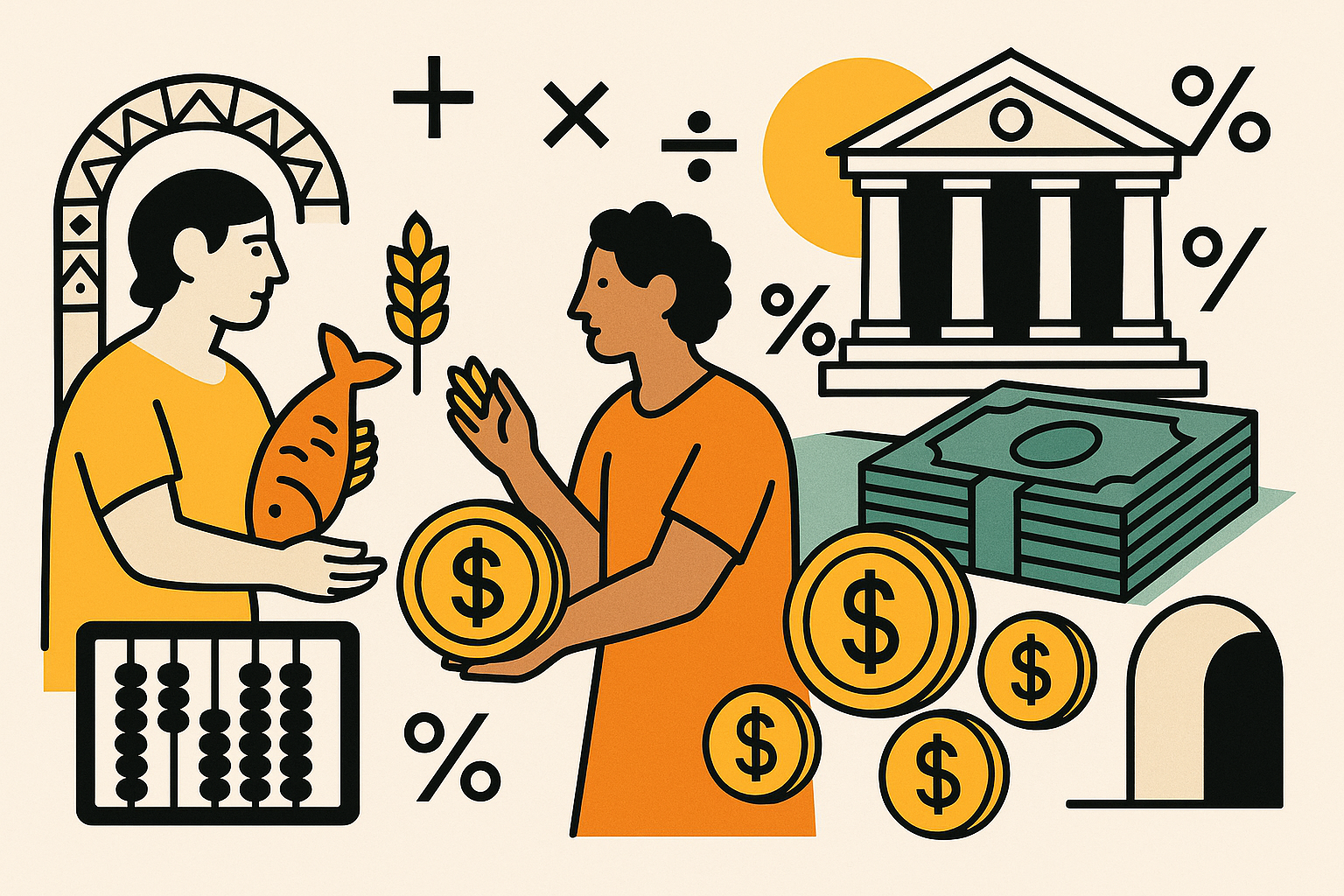
The History of Money: From Barter to Banknotes
Money plays a vital role in daily life, but its history is rich and complex. Understanding the evolution of money helps us appreciate the systems we rely on and highlights important connections to mathematics and modern economics. This article explores the journey of money, its forms, and its impact on society, learning, and practical finance.
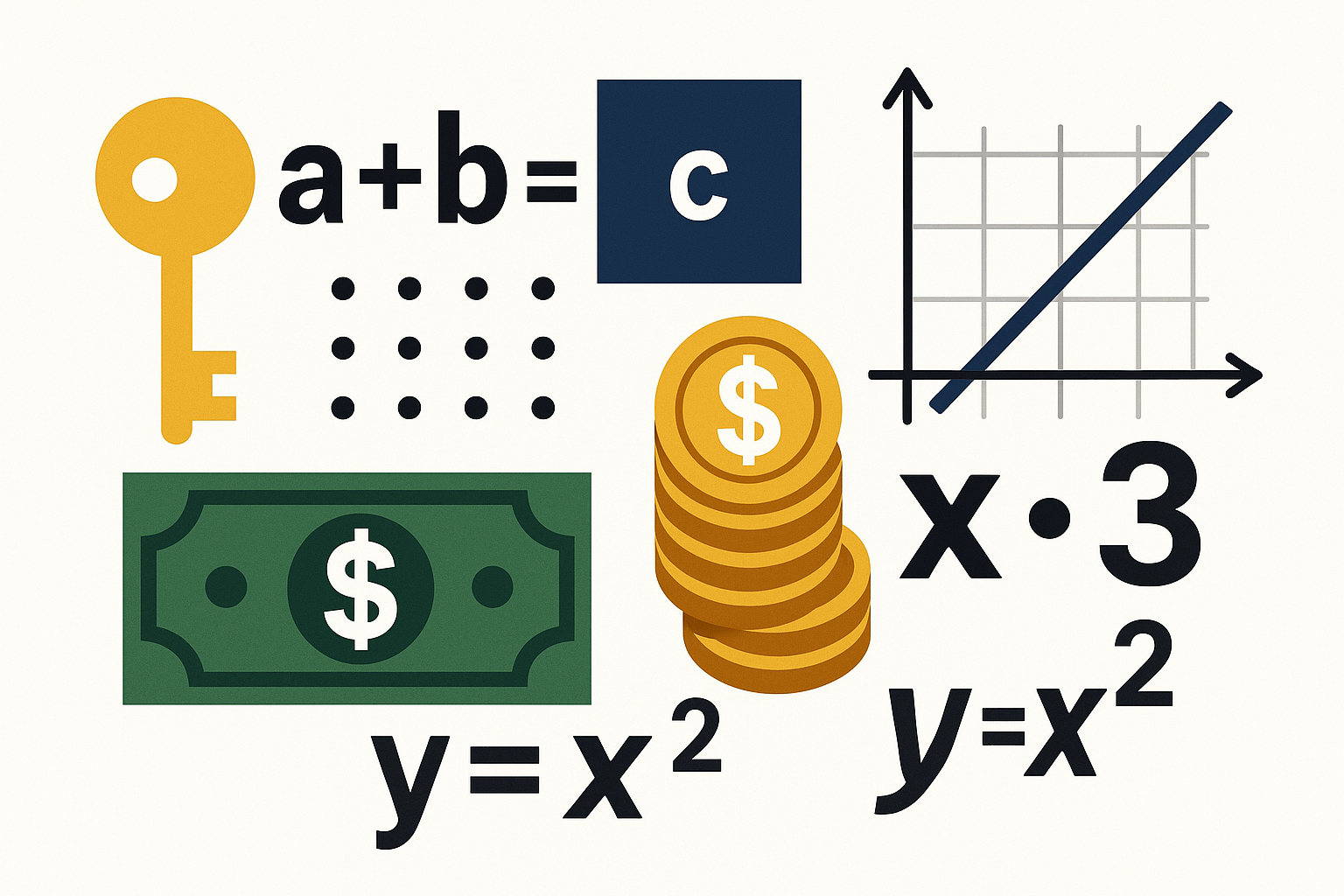
Algebra: Unlocking the Power of Patterns and Money in Everyday Life
Algebra is not just about solving for x—it’s a way of thinking that underpins our daily decisions, especially those involving money and practical problem-solving. This article explores the fundamentals of algebra and its real-world applications, illuminating why learning algebra is a crucial milestone in mathematics education.
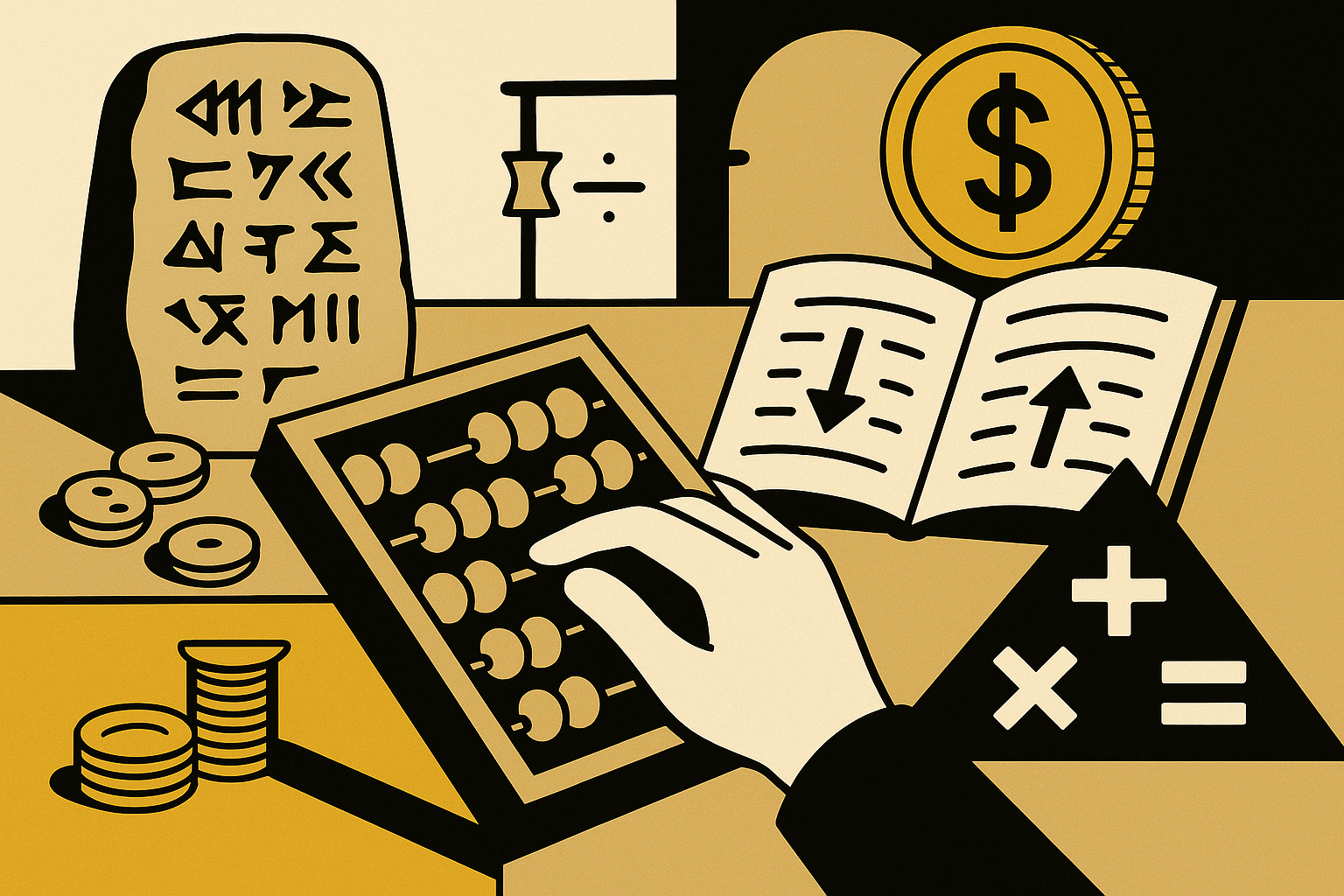
Ancient Accounting: The Roots of Money, Mathematics, and Modern Finance
Long before calculators or spreadsheets, ancient accountants played a vital role in the daily lives of early civilizations. From Mesopotamia to ancient Egypt and Rome, the practice of accounting laid the foundation for the ways we manage money and do math today. This article explores how ancient record-keepers helped shape our modern understanding of number systems, trade, and the value of transparency in economic life.

Numeracy: The Cultural Thread We All Weave Every Day
Numeracy is far more than simply learning arithmetic in school; it is an essential life skill, woven into our daily choices, culture, and economic wellbeing. Understanding numeracy helps us navigate the world, from shopping for groceries to making major financial decisions.
Financial Literacy: Essential Skills for Everyday Life
Financial literacy empowers individuals to make informed decisions about their money, blending practical knowledge with core mathematics skills. In today's complex economy, understanding how to manage personal finances is vital—both for adults and students. Real-world examples and clear explanations can help demystify concepts like budgeting, saving, and borrowing.
Statistics in Class 10: Making Sense of Numbers in the Real World
Statistics, as introduced in class 10 mathematics, offers students crucial tools for understanding data, making informed decisions, and navigating daily life—especially when it comes to money and practical problem-solving. This article explores how class 10 statistics bridges the gap between mathematics theory and the challenges and choices we face in the modern world.
Fintech: Transforming Money, Math, and Everyday Life
Financial technology, or 'fintech,' is transforming everything about the way we handle money—from banking apps to investing and even daily purchases. This article breaks down what fintech means in real life, explores the important role of math, and shows how fintech is making money management simpler for everyone.
Practical Ways to Prevent Fraud: Lessons for Everyday Life
Fraud prevention is a vital skill not only for businesses but also for individuals. This article explores the real-world importance of anti-fraud measures, using money management and mathematical thinking as effective tools. Discover how proper education can help spot deception and limit financial risks.
Probability: Making Sense of Uncertainty in Everyday Life
Probability, a key concept in mathematics, allows us to measure and understand uncertainty. From deciding financial investments to predicting the weather, probability is embedded in many practical decisions. This article explores what probability is, why it matters, and how it connects mathematics with real-world choices—especially those involving money.
Cyber Scams: How to Recognize, Avoid, and Outsmart Digital Criminals
Cyber scams are a growing threat to individuals and businesses worldwide. Understanding how these scams work, and the real money consequences involved, is the first step to staying safe online. This article explains types of cyber scams, their financial impact, and practical tips for prevention—connecting digital awareness to basic mathematical thinking for every reader.
Numeracy: The Cultural Value of Everyday Mathematics
Numeracy skills are foundational in daily life, deeply intertwined with our culture. From budgeting for groceries to understanding statistics in the news, numeracy empowers individuals and communities. This article explores the practical importance of numeracy, its connections to money management, and how a strong base in mathematics shapes cultures around the world.
Tracing the History of Mathematics: From Ancient Counting to Modern Finance
Mathematics is more than just numbers on a page — it is a language that has shaped societies, economies, and our daily lives. Understanding the history of mathematics helps us see its practical value, especially in managing money and making informed decisions.
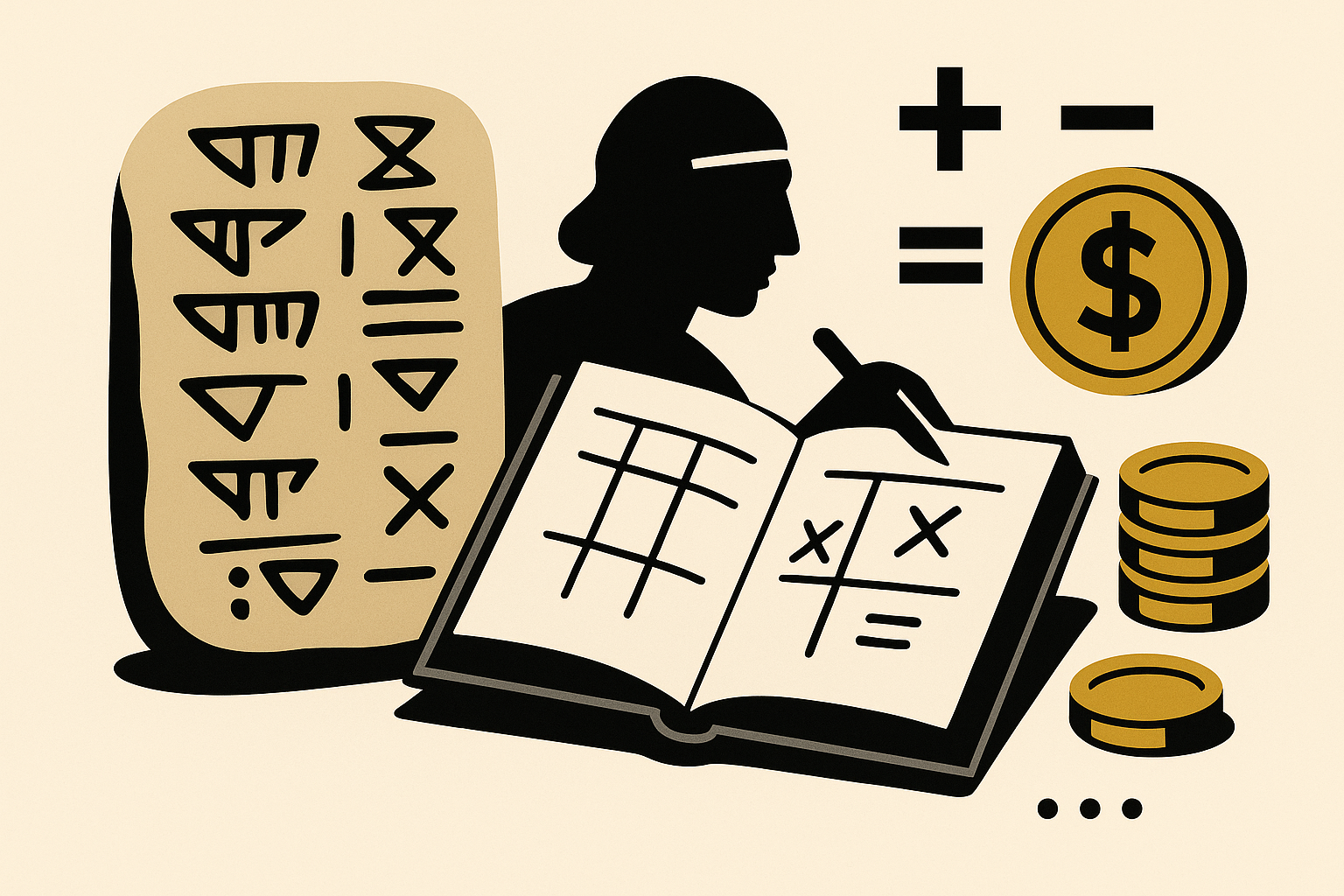
Ancient Accounting: The Beginnings of Bookkeeping and Money Management
Long before modern spreadsheets and calculators, ancient civilizations devised ingenious ways to keep track of goods, debts, and finances. The story of ancient accounting is not only fascinating—it is also a practical lens through which we can understand the origins of mathematics, the use of money, and the organization of our world’s first economies.
Understanding Probability: From Everyday Choices to Financial Decisions
Probability isn’t just a concept found in mathematics textbooks—it's a practical tool that shapes decisions in daily life and finance. By grasping its principles, students and adults alike can make more informed choices, understand risks, and appreciate the unexpected patterns in the world around them.
Fintech: How Technology is Transforming Your Money
Fintech combines finance and technology to change the way we use and manage money. This article explains fintech in simple terms, explores important real-world examples, highlights the mathematics behind these innovations, and shows how understanding fintech can help you make smart money decisions.
Understanding Fintech: How Technology Is Transforming Money and Mathematics
Fintech is a fast-growing field blending finance and technology. This article explains how fintech changes the way we manage money, highlights real-world examples, and explores the mathematical ideas that underpin these innovations.
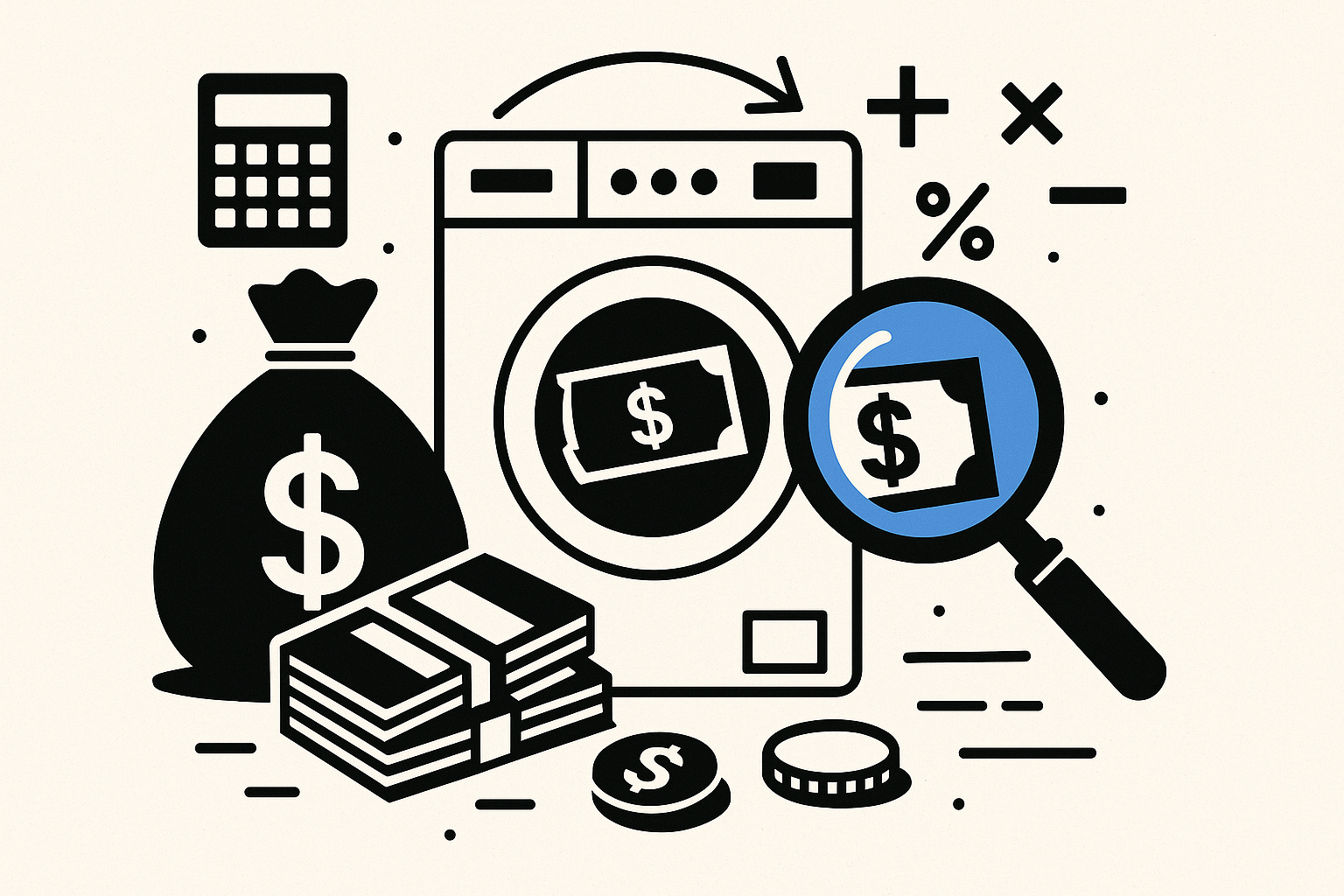
Understanding Money Laundering: Meaning, Methods, and Why it Matters
Money laundering is a criminal process that turns illegal proceeds into seemingly legitimate assets. This article explains what money laundering means, why it is a problem, its real-life financial impact, and how math and money management play a role in understanding and combating this crime.
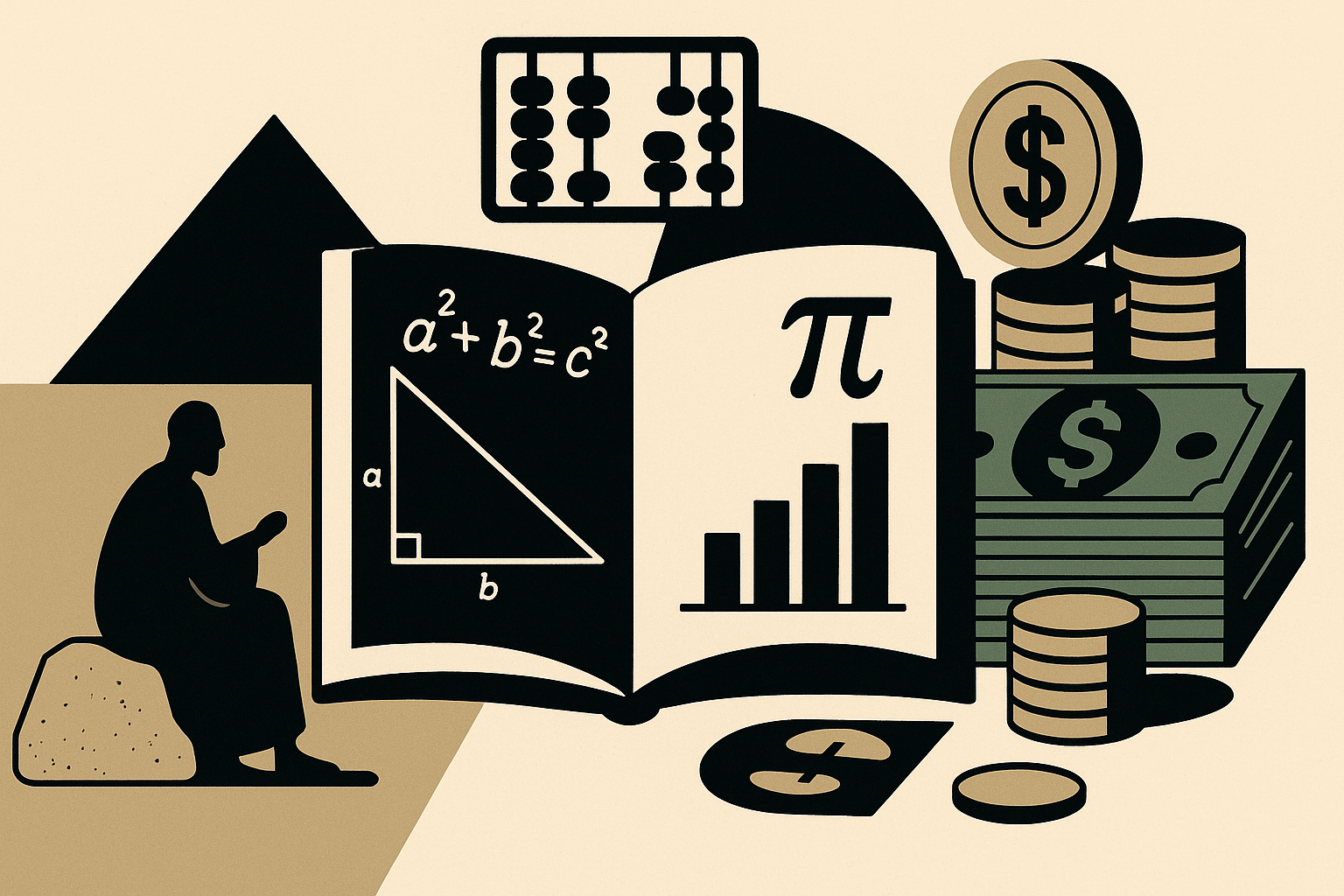
The History of Mathematics: From Ancient Counting to Modern Money
Mathematics is more than a set of rules—it is a living story covering thousands of years, from simple counting to the sophisticated equations driving today’s financial world. Explore how the history of mathematics connects to practical learning, real-world money, and why math matters in everyday life.
Understanding Financial Culture: Bridging Money, Mathematics, and Everyday Life
Financial culture is more than just understanding how to balance a checkbook; it’s about the collective attitudes, behaviors, and knowledge surrounding money and financial decision-making within a society. By connecting everyday mathematics to practical money management, we can foster strong financial literacy and empower individuals to thrive.
Financial Culture: Building a Foundation for Life-long Money Skills
Understanding financial culture is crucial for navigating the modern world. This article explores what financial culture means, why it's important, and how practical mathematics and money management skills shape daily lives—offering real-world connections and learning tips for everyone.
Understanding Probability: Mathematics for Everyday Decision-Making
Probability is a core concept in mathematics that helps us measure uncertainty and make informed choices in daily life and financial decisions. From games of chance to investing money, understanding probability equips us to analyze risks and opportunity. This article explains what probability is, why it matters, and how you can use it to make smarter decisions.
Math Education: Building Real-World Skills Through Practical Learning
Mathematics education is vital for everyday decision-making, from budgeting to shopping. By focusing on practical methods and clear explanations, math teachers help students connect abstract concepts to their real lives, making the subject both accessible and essential. In this article, we explore how math is taught around the world and why connecting lessons to real-world money matters can make learning more meaningful.
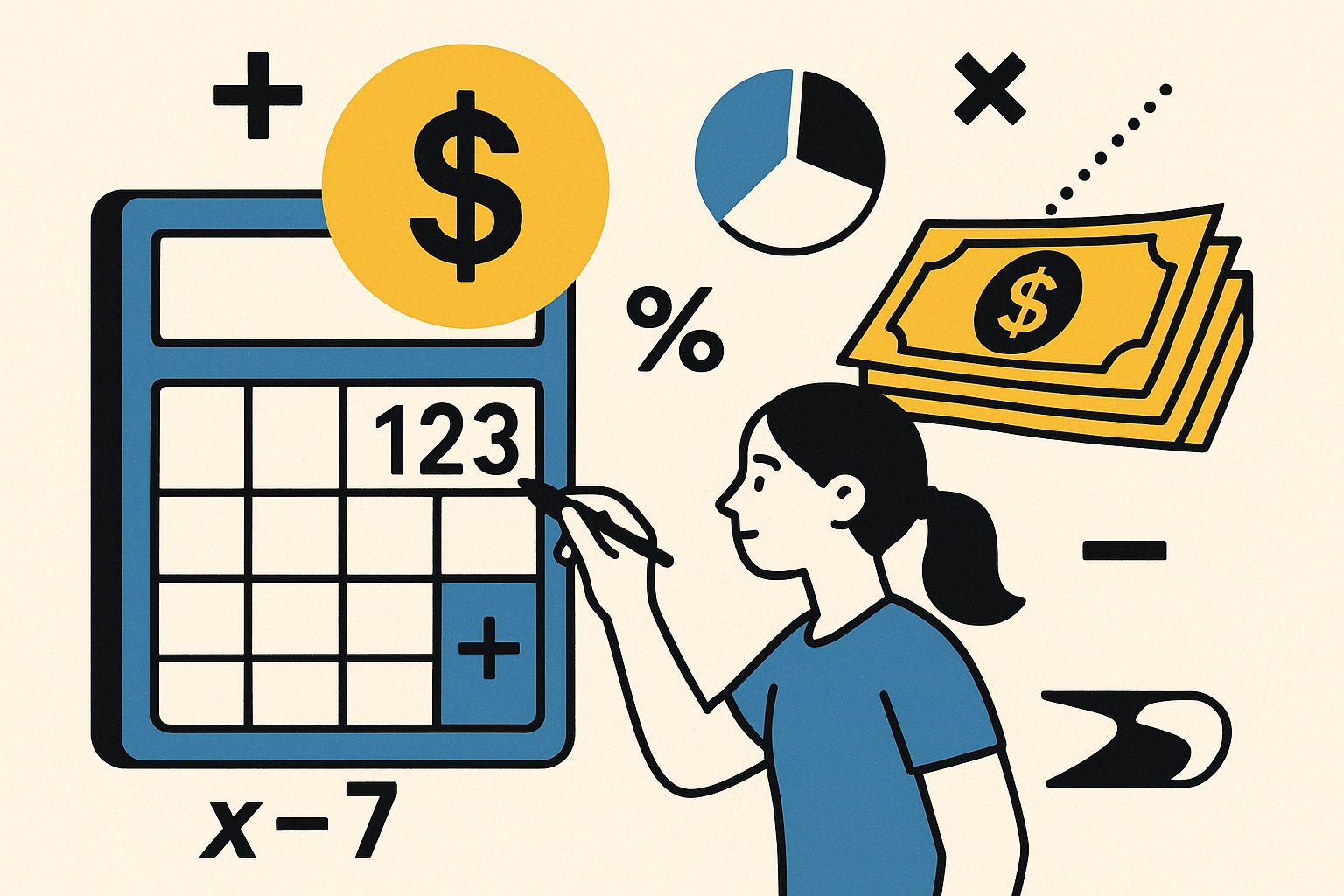
Making Math Count: Practical Approaches to Mathematics Education
Math education thrives when it builds real-world connections and prioritizes clear, practical explanations. This article explores how integrating everyday examples, such as using money, can make mathematical concepts more understandable and relatable for learners of all ages.
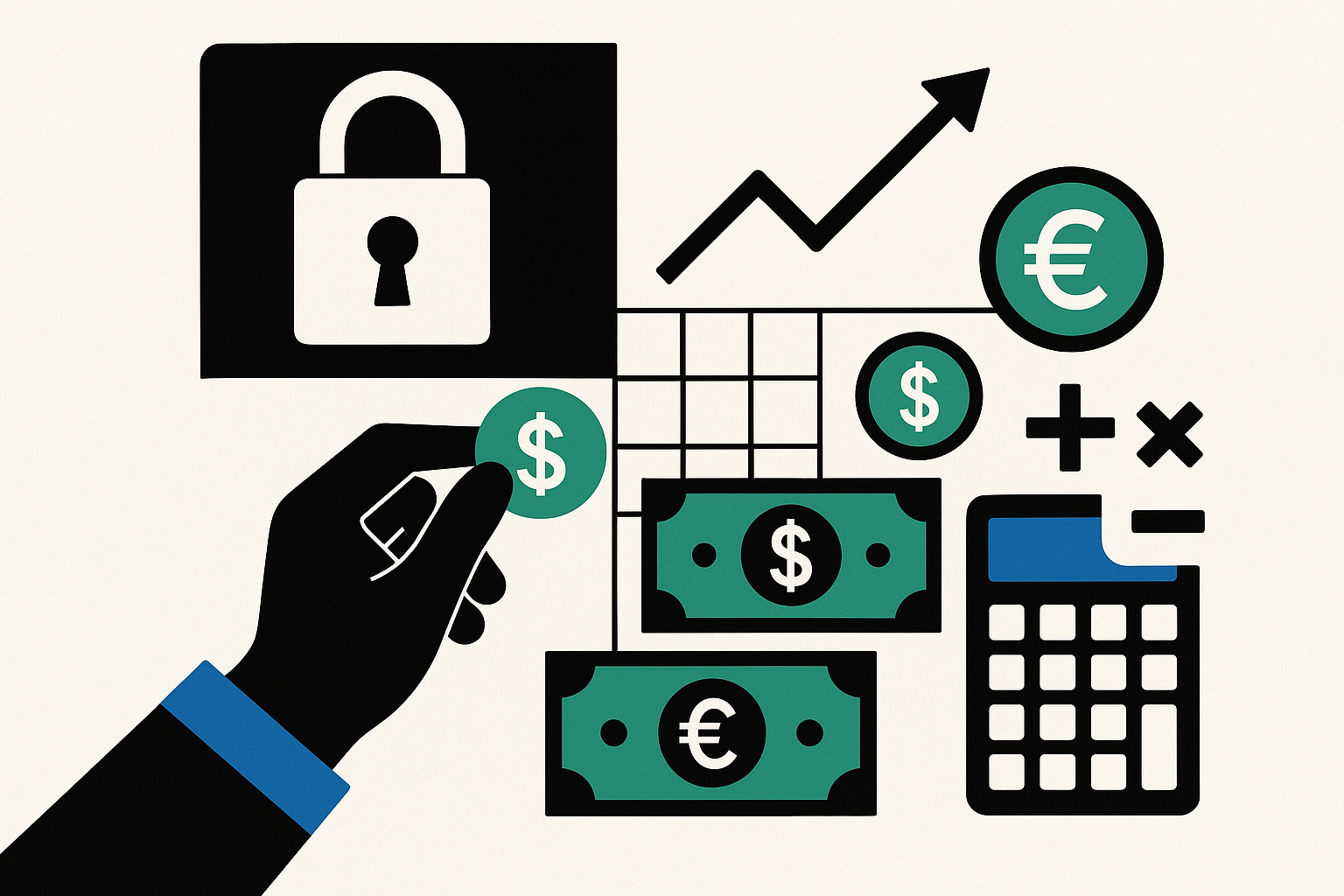
Fraud Prevention: Practical Tools for a Safer Society
Fraud affects every corner of society, from major financial institutions to individual students. Learning about fraud prevention isn’t just about following rules—it’s about understanding the real-world consequences for your money, education, and community. Through practical tips and mathematical reasoning, we can all play a part in making our world safer and more honest.
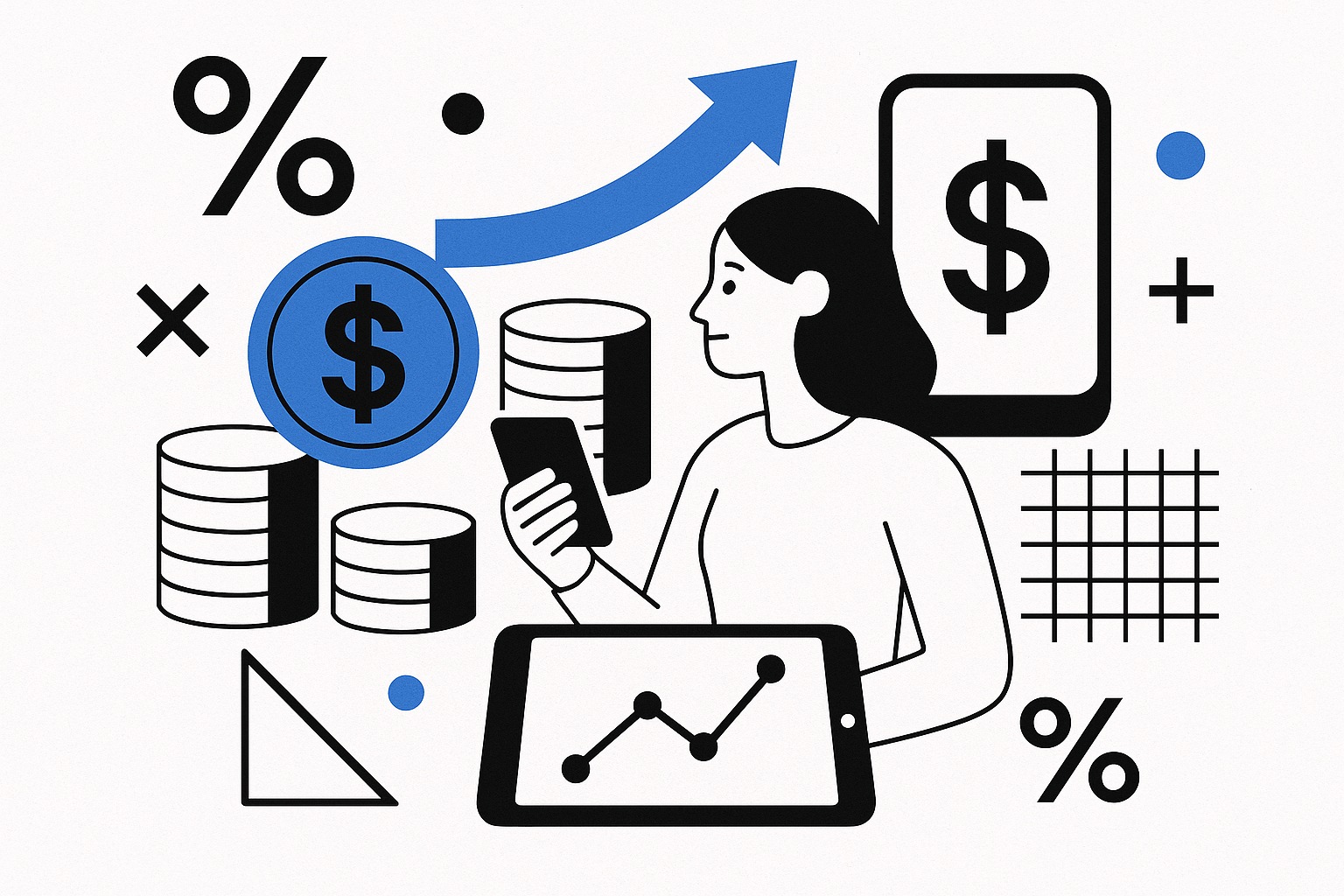
Fintech: How Technology is Changing the Way We Use Money
Fintech, a blend of finance and technology, is revolutionizing our world with new tools and services that simplify banking, investing, and money management. This article explores how fintech works, its impact on the economy, and the mathematics behind the apps millions use every day.
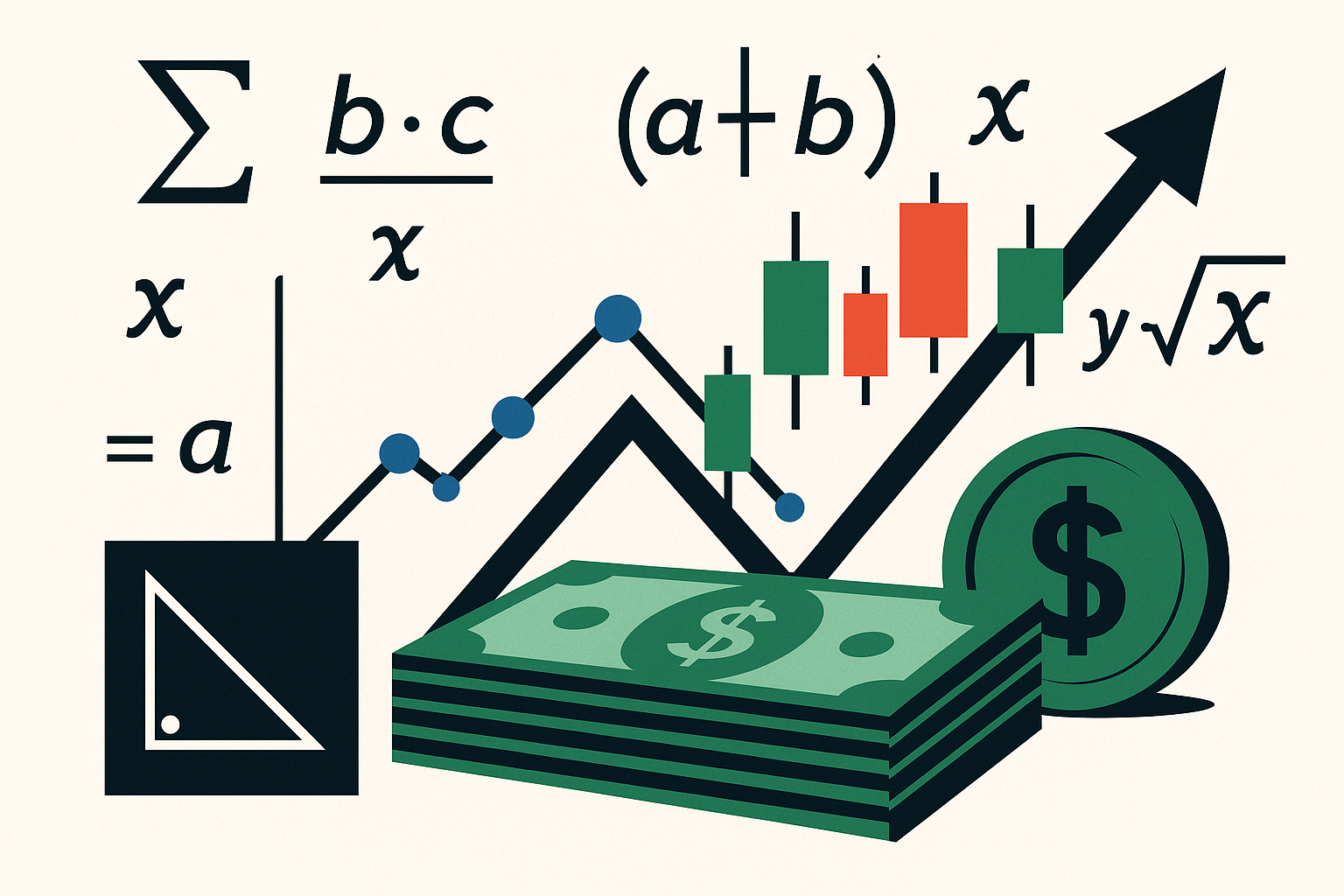
Demystifying Algorithmic Trading: How Math Moves Money
Algorithmic trading combines technology, mathematics, and finance to shape today’s global markets. This article unpacks the basics, explains the practical math behind trading bots, and explores how algorithms have changed our relationship with money and investing.
Fraud Prevention: Protecting Your Money and Community
Fraud affects millions worldwide, causing financial loss and eroding trust. Understanding how to spot, prevent, and respond to fraud is essential for individuals, families, and schools. This article offers practical guidance on fraud prevention, connects lessons to real-world money situations, and shows how math and logic can help keep you safe.
The Culture of Money Habits: Practical Lessons from Mathematics and Everyday Life
Money habits are deeply influenced by culture and education, shaping the way individuals handle finances in daily life. By connecting basic mathematics with real-world situations, we can develop practical habits for financial success. This article explores how money habits are learned and improved through both cultural values and math education, with practical examples for everyone.
Cyber Scams: Understanding, Preventing, and Measuring Their Cost
Cyber scams have become a modern crime wave, costing individuals, businesses, and society billions every year. Learn what cyber scams are, how they work, and what practical steps you can take to avoid becoming a victim. Explore the real-world financial impact and understand the mathematics behind how cybercrime spreads.
A Journey Through the History of Mathematics: From Ancient Roots to Everyday Finances
Mathematics has been woven into human civilization for thousands of years. Its history traces the innovations of early societies, impacts everyday problem-solving, and forms the backbone of modern economies. Discover how math evolved, why it matters in financial life, and the enduring importance of practical math education.
Understanding Probability: Making Sense of Uncertainty in Everyday Life
Probability is a branch of mathematics that helps us make sense of uncertainty, guiding decisions from everyday choices to complex financial investments. By understanding how likely certain outcomes are, we develop critical thinking skills useful far beyond the classroom.
Statistics in Class 10: Building Math Skills for Real-World Decisions
Statistics taught in class 10 acts as a bridge between classroom mathematics and real-life applications, especially in areas involving money and informed decision-making. This article explores the basics of statistics in class 10, emphasizing practical approaches, clear explanations, and real-world connections that empower students.
Financial Literacy: Equipping Students for Real-World Money Challenges
Financial literacy is an essential skill set in today’s complex world, empowering individuals to make informed decisions about spending, saving, investing, and managing debt. In education, financial literacy ties together mathematics, critical thinking, and practical life application. This article explores what financial literacy means, how it connects to mathematics, and why practical learning makes all the difference for students and adults alike.
Fintech: How Technology is Changing the Way We Manage Money
Fintech, short for financial technology, is reshaping how people and businesses handle money. This article explores what fintech is, how it connects to everyday finances and mathematics, and why understanding these changes matters for everyone.
Financial Culture: Understanding How Money Shapes Our Decisions
Financial culture reflects how individuals and societies understand, use, and make decisions about money. In a rapidly changing world, financial literacy—a blend of mathematics, economics, and everyday decision-making—has become critical for navigating issues from personal budgets to global markets. This article explores how financial culture is learned, its mathematical connections, and why practical financial education matters for everyone.
Statistics in Class 10: Understanding Numbers in the Real World
Statistics in class 10 is not just about learning formulas—it’s about using numbers to understand the world around us. From analyzing data on family expenses to making sense of sports results, statistics connects mathematics to everyday decisions, especially those involving money. This article explores what students learn in class 10 statistics, why it matters, and how it applies to real-life situations.
A Journey Through the History of Mathematics: From Ancient Origins to Modern Applications
Mathematics has shaped human civilization for thousands of years, evolving from practical counting systems to an essential language for science, technology, and even managing our personal finances. This article explores the fascinating history of mathematics, connects its developments to everyday life—especially in the world of money—and highlights how learning math remains a crucial skill for navigating today’s world.
Algebra: Unlocking Mathematical Skills for Real Life
Algebra is more than just a stepping stone in mathematics classes—it's a practical tool that shapes our ability to think logically and solve real-world problems, especially those involving money and resources. By learning how to work with algebraic concepts, students develop skills vital for daily life, future studies, and professional success.
Understanding Probability: Mathematics Meets Everyday Decisions
Probability is more than just a topic in mathematics classrooms; it shapes the way we make choices in real life, from financial decisions to everyday problem-solving. This article explores the fundamentals of probability, demonstrates clear examples, and draws practical connections between mathematics and money.
Understanding Probability: Everyday Mathematics That Impacts Your Wallet
Probability isn’t just a concept found in math textbooks—it guides countless choices people make every day, especially where money is involved. By understanding the basics of probability, anyone can make smarter, more informed decisions whether they're at the grocery store, investing, or simply playing a game.
Numeracy: The Practical Heartbeat of Everyday Culture
Numeracy is far more than academic arithmetic. It shapes our daily lives, decisions, and interactions—especially when it comes to money. Understanding how numeracy weaves itself into the fabric of culture reveals its crucial role in fostering practical skills for all ages.
Understanding Financial Culture: A Practical Guide to Money in Everyday Life
Financial culture shapes the way individuals and societies interact with money, manage resources, and make economic decisions. By connecting financial concepts to real-world mathematics and everyday choices, we can foster healthier financial habits and greater confidence in handling money.
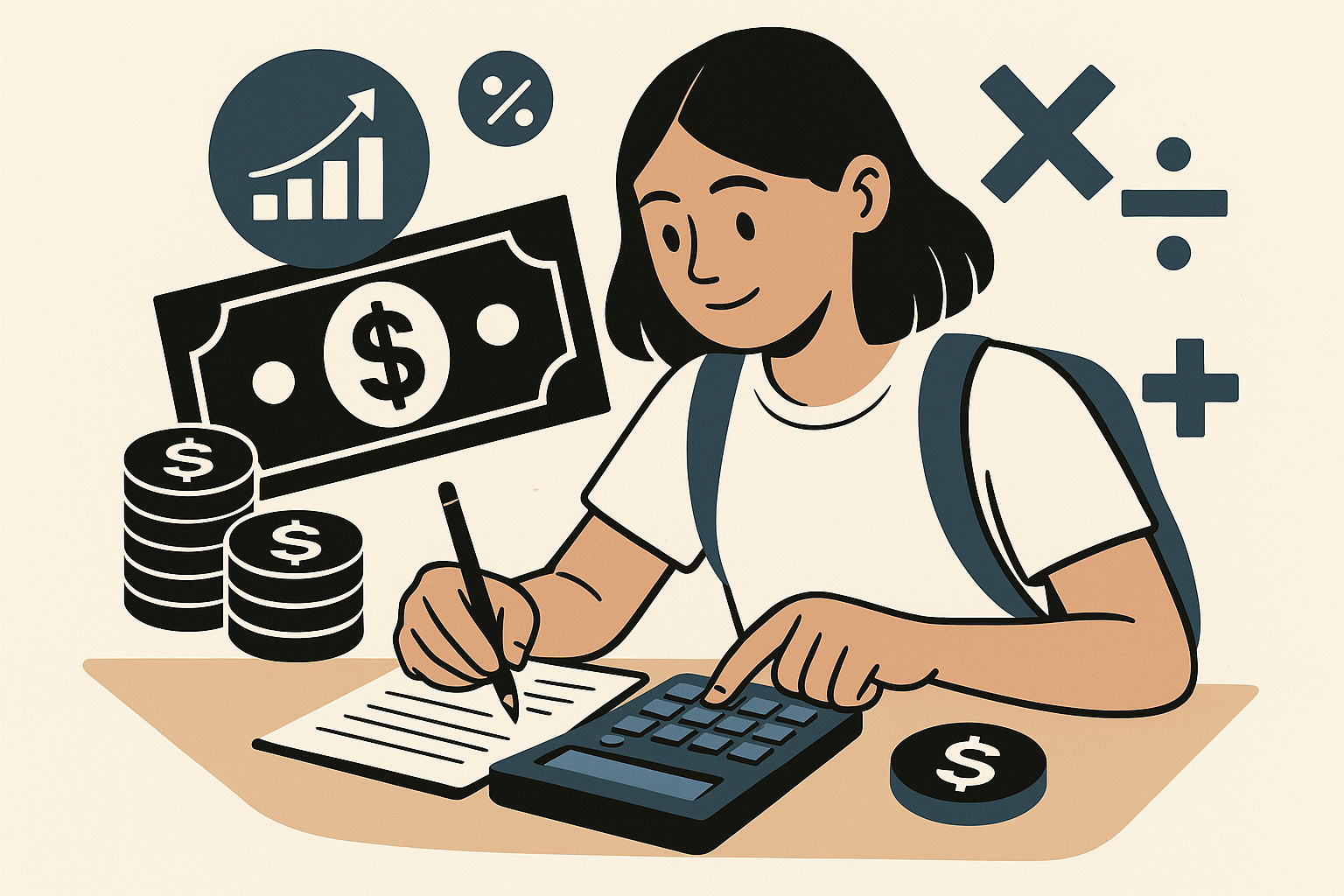
Building Practical Financial Literacy: Equipping Students for Real-Life Money Decisions
Financial literacy goes beyond basic math skills—it equips individuals with the knowledge, skills, and confidence to manage their money wisely. As part of modern education, learning to make informed decisions about budgeting, saving, borrowing, and investing prepares students for real-world financial challenges. This article explores how practical financial education, paired with mathematics, fosters lifelong skills and financial security.
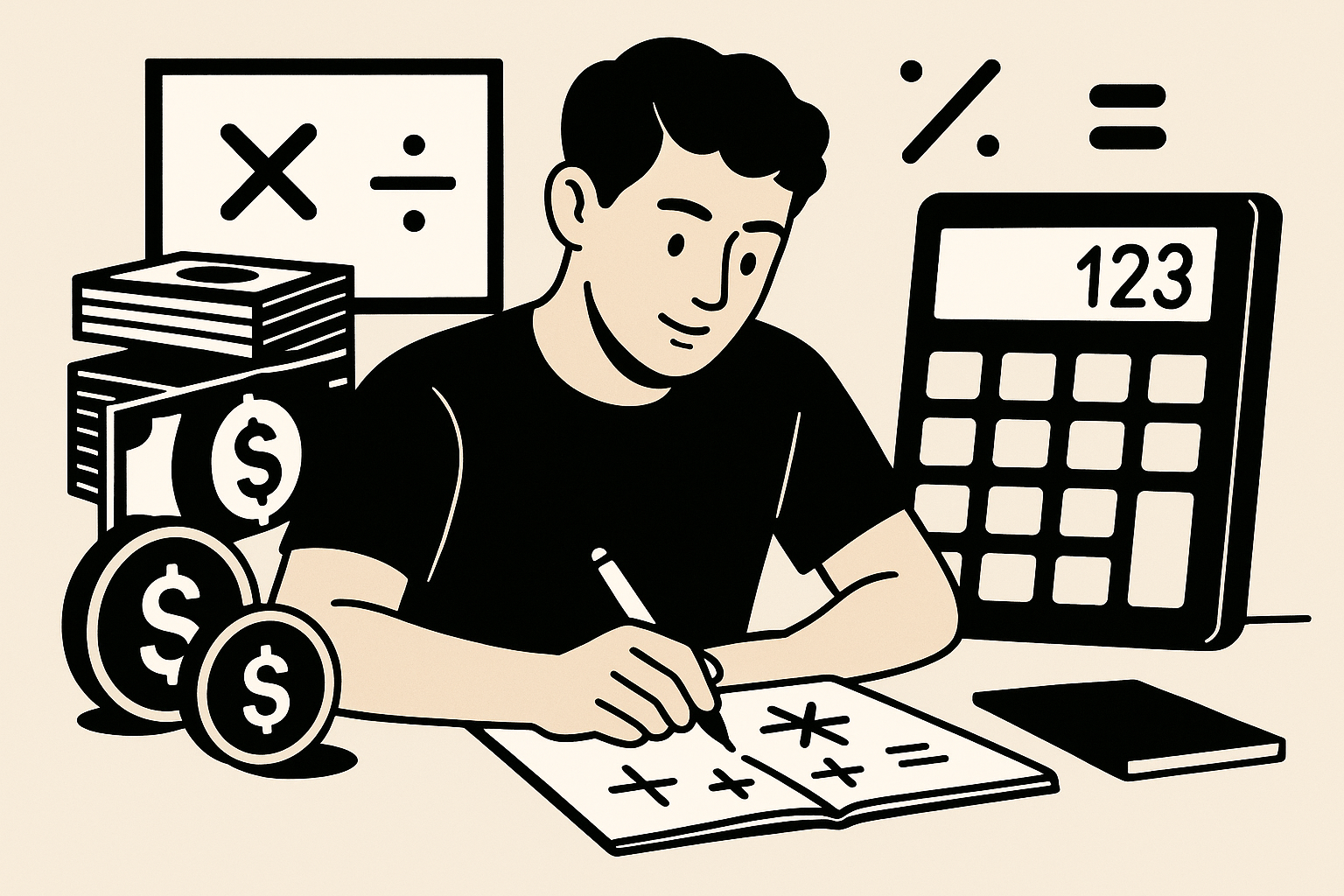
Mathematics Education: Building Practical Skills for Life
Mathematics is more than numbers and equations; it is a vital tool for navigating real-world challenges. By focusing on practical learning and clear explanations, math education can empower students to make informed financial decisions and solve everyday problems. This article explores how connecting mathematical concepts to money and daily experiences enhances understanding and prepares learners for a successful future.
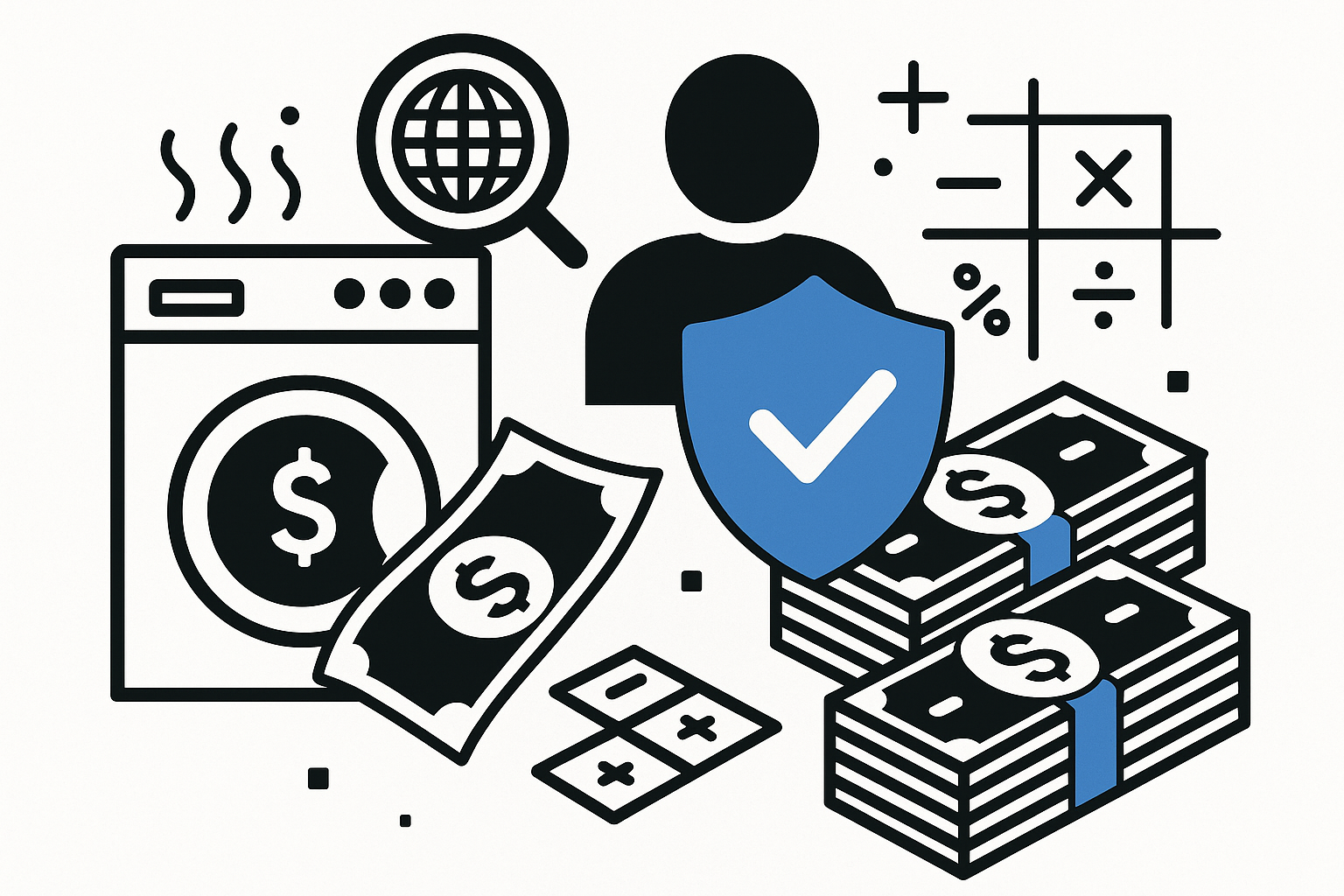
Understanding Anti-Money Laundering: Keeping Crime Out of the Financial System
Anti-money laundering (AML) is a crucial part of the fight against financial crime, using rules, mathematical analysis, and real-world detective work to stop illegal money from blending into the legitimate economy. This article explains what AML is, why it matters, and how critical everyday skills—especially in money and mathematics—can play a role.
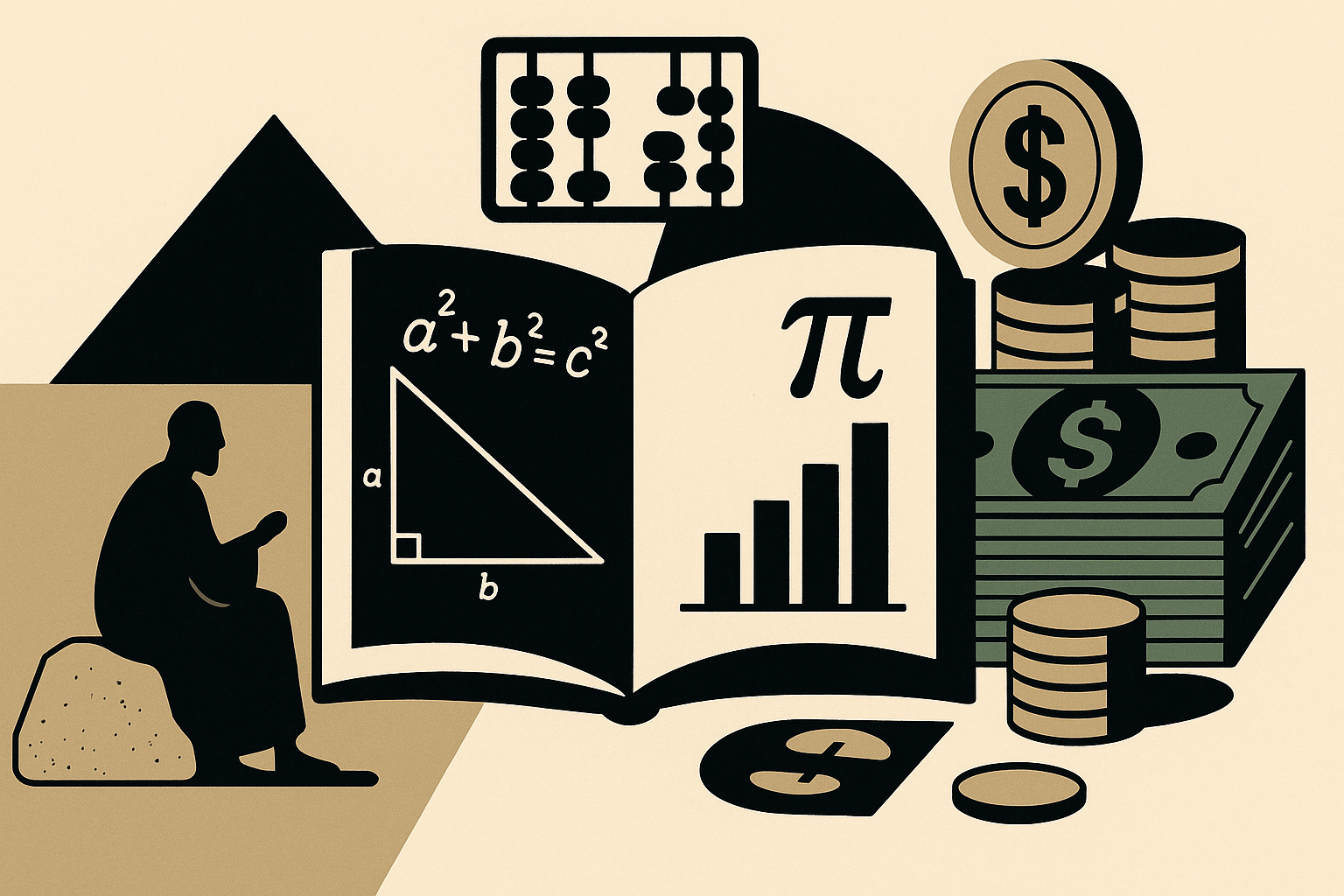
The History of Mathematics: From Ancient Counting to Modern Money
Mathematics has shaped the way we understand the world, manage resources, and handle money throughout history. Explore how practical needs—from the marketplace to modern banking—drove math’s development, and see its vital role in everyday life.
Why Literacy and Numeracy Matter: The Real-World Value of Words and Numbers
Understanding words and numbers is about more than reading and counting—it’s about navigating daily life. When literacy and numeracy are taught together, especially through practical lessons like managing money, students gain skills that empower them to make smart choices, plan for the future, and take part in the wider culture of their community.