Fintech: How Technology is Changing the Way We Manage Money
Fintech, short for financial technology, is reshaping how people and businesses handle money. This article explores what fintech is, how it connects to everyday finances and mathematics, and why understanding these changes matters for everyone.
Fintech is an abbreviation for financial technology. It refers to the use of technology to improve and automate financial services. Over the last decade, fintech has transformed how people spend, save, invest, and borrow money. From banking apps and online payment platforms to cryptocurrency and financial planning tools, fintech innovations are making finance faster, easier, and more accessible.
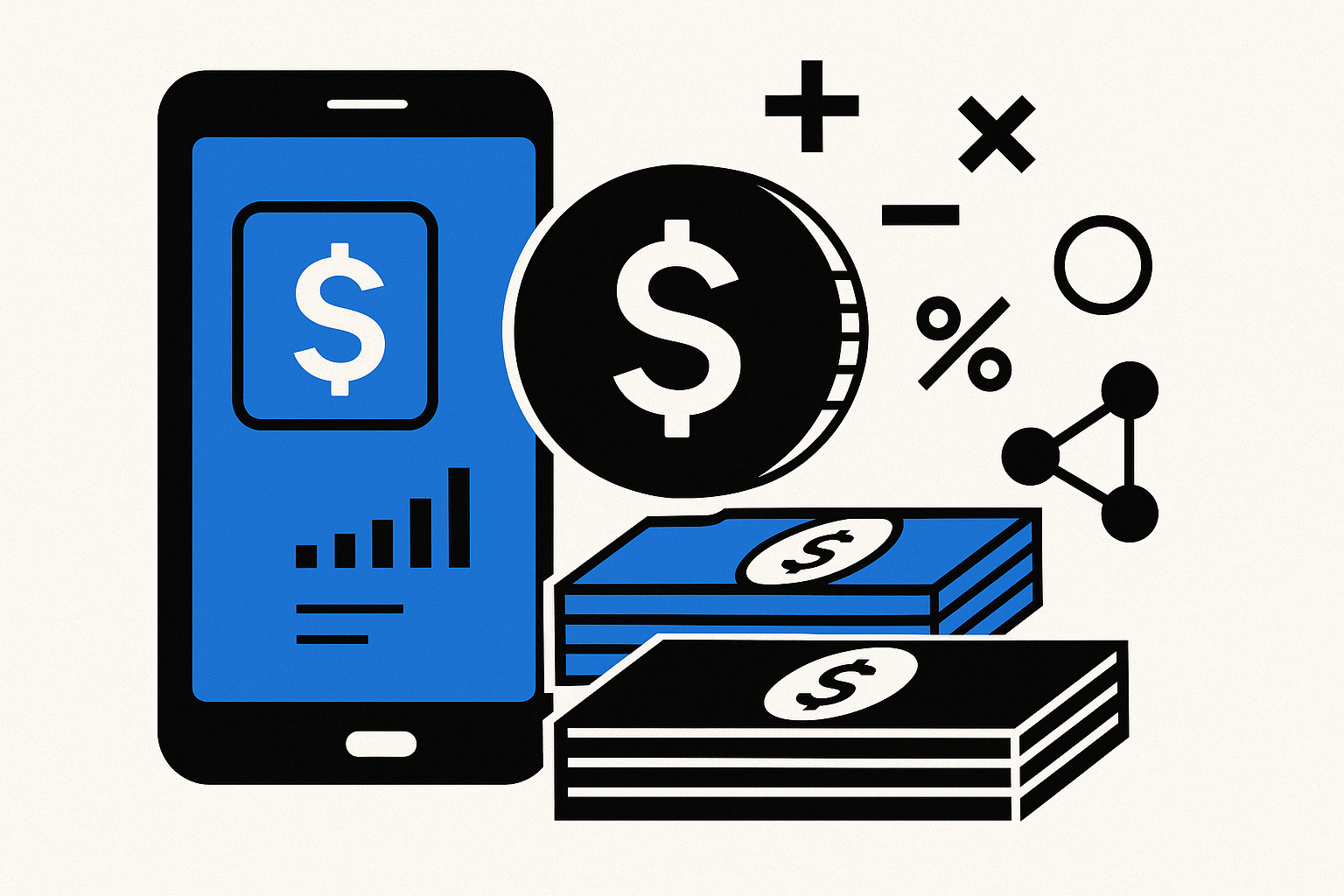
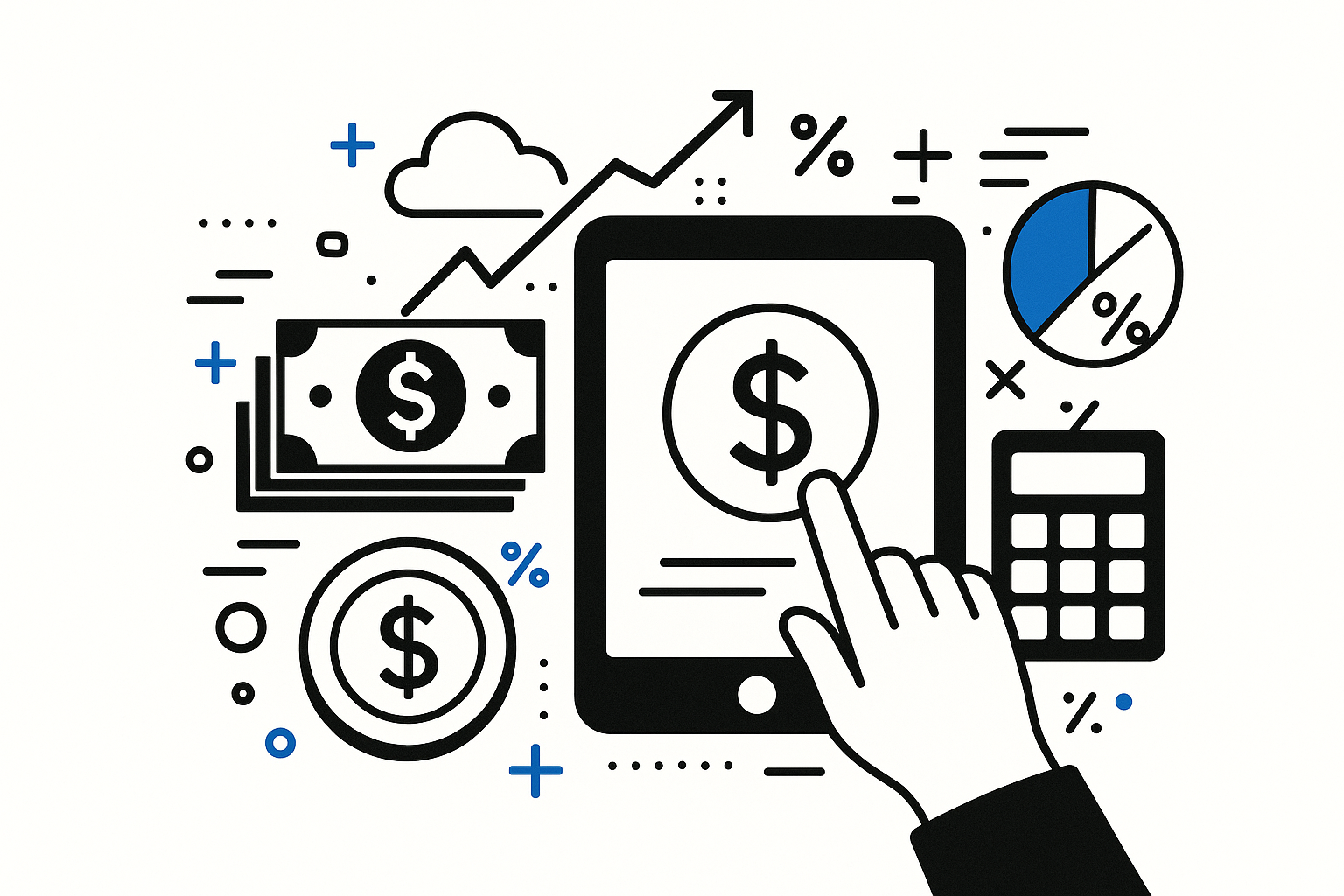
For many years, managing finances meant visiting banks, filling out paperwork, and waiting for transactions to process. Today, with just a smartphone app, people can transfer money instantly, invest in stocks, or even apply for a loan. These conveniences are possible thanks to fintech companies and the technology behind them.
One prominent example is Robinhood, co-founded by Baiju Bhatt and Vlad Tenev. Robinhood is an app that lets users buy and sell stocks with no traditional trading fees. It helped make investing accessible to millions who might not have considered it before. Behind the scenes, Robinhood and similar apps use complex algorithms and mathematics to process trades efficiently and securely.
Why is mathematics important in fintech? Mathematics plays a crucial role in finance, from interest calculations to risk assessment. Apps need to accurately calculate interest on savings and loans, convert currencies, or manage hundreds of thousands of trades in real-time. For example, understanding compound interest—how money grows when interest is calculated on both the initial amount and previous interest—can help individuals make better decisions about saving and investing.
Another area where fintech is growing fast is digital payments. Companies like Guillaume Pousaz's business, Checkout.com, provide platforms that make online payments secure and smooth. Whether it’s buying clothes online or sending money to a friend, these apps rely on encryption and mathematical protocols to keep transactions safe.
Fintech is not just for large companies or wealthy investors. In many countries, fintech helps people who previously had little access to banking services. For example, in Lithuania, global fintech firms have set up operations that offer digital banking and payment solutions to local customers and businesses, increasing financial inclusion. This has real-world impact: people are now more able to participate in the modern economy, start businesses, and build savings.
To make informed choices about using fintech, financial literacy—the ability to understand concepts like budgeting, saving, and investing—is essential. Many fintech apps include educational features, such as budgeting tools or explanations of investment options, to help users become more comfortable managing money.
Entrepreneurs like Sankaet Pathak, who founded Synapse Financial Technologies, focus on creating infrastructure that allows other startups to offer reliable and flexible financial services. This reduces barriers to entry for smaller businesses and encourages innovation across the finance sector.
The rise of fintech also raises important questions about privacy, security, and regulation. As technology evolves, so do the methods used by those who try to exploit systems. Encryption, secure authentication, and regulatory oversight are crucial to protect users and maintain trust in financial technology.
In summary, fintech is revolutionizing the world of finance by making money management more efficient, accessible, and user-friendly. Understanding the basic mathematics behind these tools, and becoming financially literate, helps individuals navigate the modern economy with confidence. As fintech continues to grow, learning about these innovations is a practical step for anyone who wants to make informed decisions about their financial future.