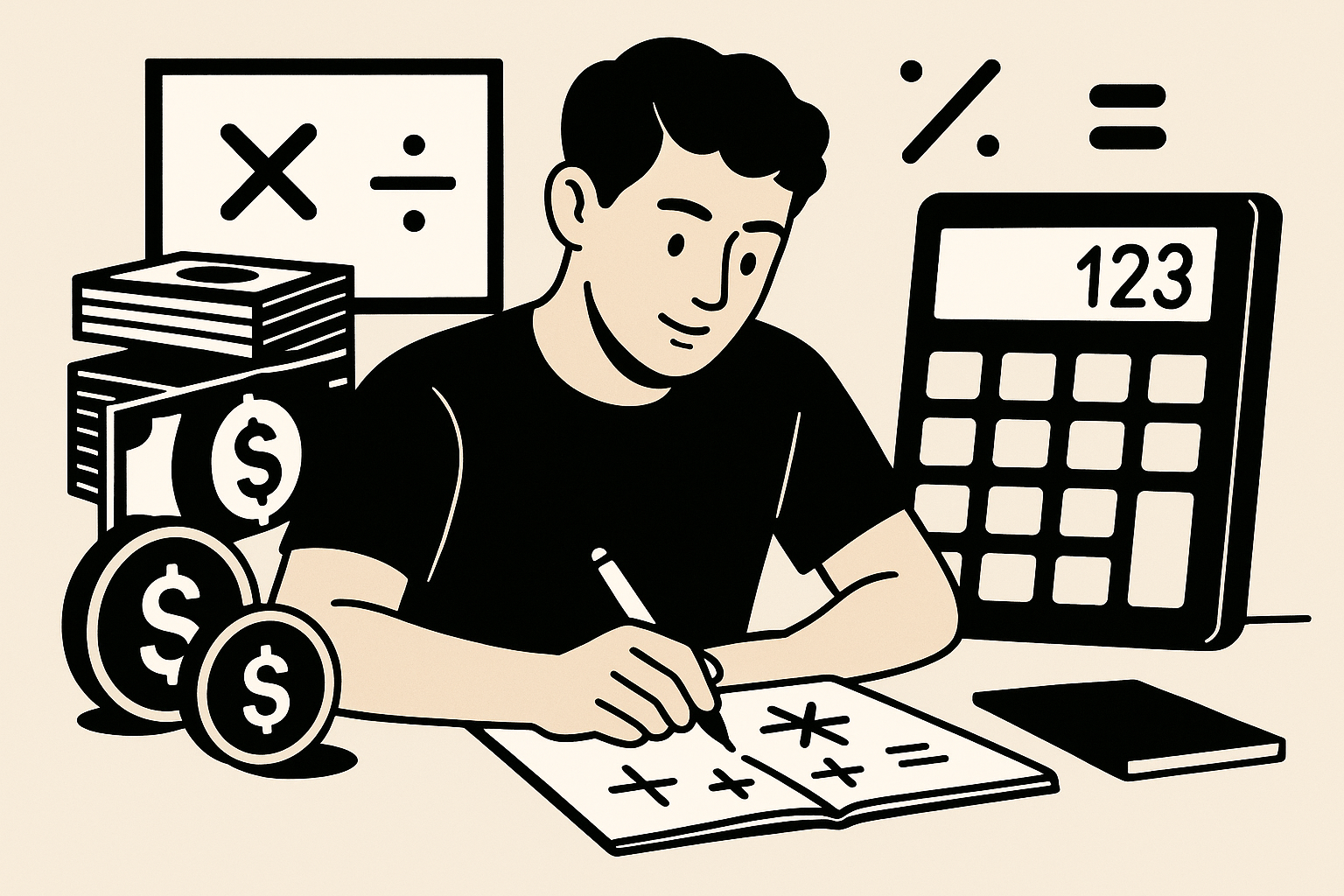
Mathematics Education: Building Practical Skills for Life
Mathematics is more than numbers and equations; it is a vital tool for navigating real-world challenges. By focusing on practical learning and clear explanations, math education can empower students to make informed financial decisions and solve everyday problems. This article explores how connecting mathematical concepts to money and daily experiences enhances understanding and prepares learners for a successful future.
Mathematics education is a fundamental part of schooling around the world, shaping how students understand and interact with numbers, patterns, and logical thinking. Traditionally, classrooms have emphasized memorizing formulas and practicing repetitive calculations. However, many modern educators believe math instruction is most effective when concepts are linked to real-world experiences, particularly those that involve money and everyday decision-making.
When students see how math applies to their personal lives—such as budgeting for a purchase, comparing prices, or calculating interest—they are more motivated to understand the reasoning behind mathematical operations. For instance, learning how to add and subtract takes on new meaning when it is tied to keeping track of spending or saving pocket money. Multiplication becomes practical when students figure out the price of buying several products, and division is more understandable when sharing expenses or splitting a restaurant bill.
Practical math education often involves activities that mimic real-life situations. Teachers may set up classroom stores with play money, challenge students to plan imaginary vacations within a budget, or bring in examples like utility bills or grocery receipts. These exercises not only improve math skills but also teach financial literacy, an important life skill. When students learn how to interpret discounts during sales, they practice percentage calculations; when they investigate bank savings accounts, they explore simple and compound interest.
Around the world, approaches to math education vary. For example, the teaching method known as 'Singapore math' emphasizes deep understanding through visualization, problem-solving, and step-by-step reasoning. Instead of relying solely on rote memorization, students learn to explain their answers, which builds confidence and clarity in their thinking. In the United States, curriculum frameworks such as the Common Core State Standards encourage educators to focus on reasoning and real-life applicability, moving beyond just getting the 'right answer' to explaining why math works.
Despite these advances, challenges remain. Some students still experience 'math anxiety,' feeling overwhelmed or discouraged by the subject. Clear explanations and patient teaching can help, along with drawing connections between abstract mathematics and familiar activities, like shopping, baking, or planning travel. For instance, measuring ingredients for a recipe introduces concepts of fractions and ratios; planning a road trip can involve distance calculations, time estimations, and budgeting for fuel.
Educators also recognize the value of technology in making math more engaging. Interactive apps, calculators, and online games allow students to explore concepts at their own pace, while financial simulation games help them practice spending, saving, and investing in a risk-free environment.
Effective math education should foster curiosity, problem-solving abilities, and the confidence to use mathematics in practical contexts. By emphasizing everyday connections—especially those involving money—teachers equip students with tools to make smart choices throughout their lives. Whether figuring out how much to tip at a restaurant, understand a loan offer, or plan for future savings, the ability to apply mathematics is a powerful advantage in adulthood.
Ultimately, the goal of math education should be more than just passing tests. It should prepare learners to solve problems, manage their finances, and approach challenges with logical thinking. By embracing practical learning and clear explanations, schools can transform math from a feared subject into an essential life skill for all.