Money Laundering: Understanding the Process and Its Impact
Money laundering is a complex financial crime that transforms illegal profits into seemingly legitimate assets. This educational article explains how money laundering works, its real-world consequences, and the mathematical logic behind tracking suspicious transactions, helping readers gain practical understanding of the powerful connections between crime, currency, and anti-laundering efforts.
Money is a fundamental part of everyday life. We use it to buy food, pay rent, invest in education, or simply save for the future. According to the Wikipedia page on money, in countries like the United States, the dollar circulates as both a medium of exchange and a symbol of value. But sometimes, money comes from illegal sources—such as drug trafficking, corruption, or fraud. Criminals then face the challenge of making this 'dirty' money look legitimate. This is where the crime of money laundering comes in.
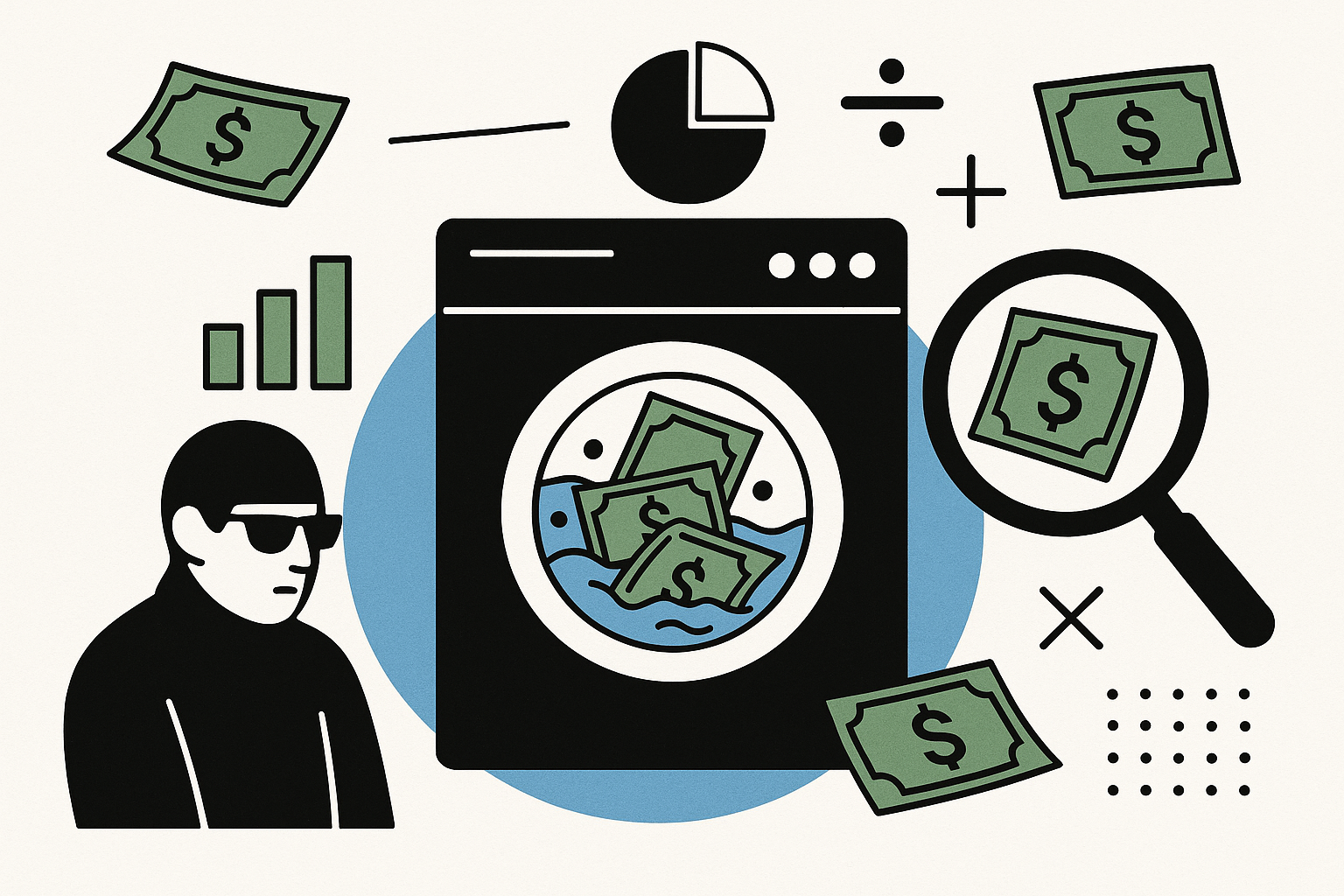
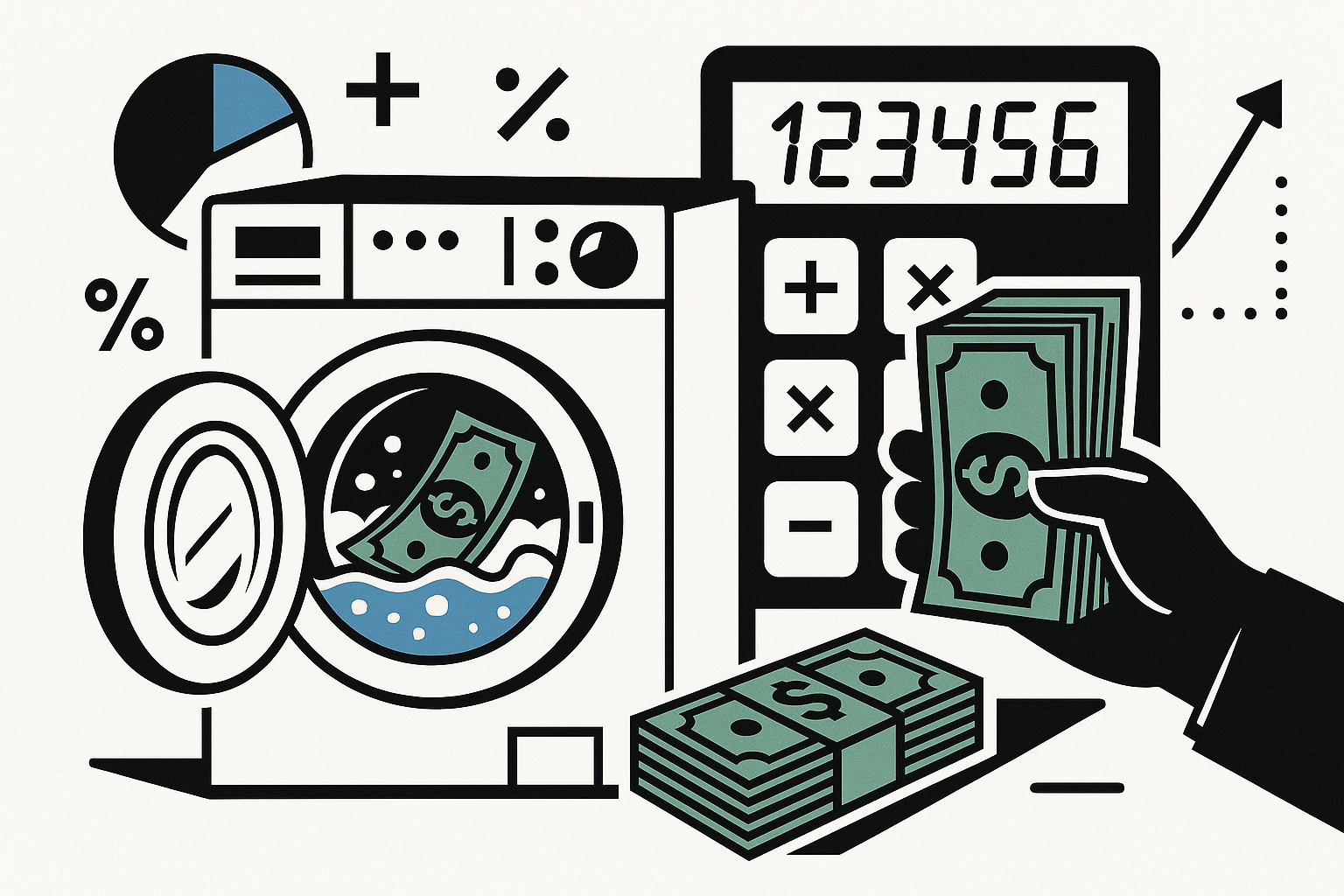
Money laundering is the process by which proceeds from illegal activities are disguised to make them appear like they come from legal sources. In simple terms, it is the 'cleaning' of dirty money. According to international standards set by organizations like the Financial Action Task Force (FATF), money laundering typically involves three main steps: placement, layering, and integration.
During the placement stage, illicit funds are introduced into the financial system. This might involve depositing cash into banks or buying assets like property or vehicles. In the layering stage, these funds are moved or transferred multiple times through various accounts, businesses, or countries to obscure their origin. The integration stage is when the 'laundered' money is re-introduced into the legitimate economy, often through investments, luxury purchases, or business operations, making it difficult to trace back to the original crime.
Real-world examples abound. London, a major global financial center, has been named as a hub for money laundering, despite the United Kingdom’s developed economy and robust legal framework. Individuals or organizations might use fake companies, international wire transfers, and complicated financial products to mask the origins of illicit wealth. The lottery system, too, has occasionally been misused by criminals trying to legitimize illegal winnings. There have been high-profile fines and legal actions, such as when political organizations in the U.S. faced penalties for channeling improper money into campaign funds.
Understanding money laundering also has close ties with mathematics and analytical thinking. For example, financial institutions use sophisticated mathematical algorithms to spot suspicious transactions, such as deposits or withdrawals that fall just below reporting thresholds or occur in unusual patterns. If someone attempts to deposit $9,900 several times (just under the U.S. $10,000 reporting requirement), banks' computer systems flag these behaviors as potentially suspicious. By analyzing sequences of transactions using statistics and probability, authorities can detect unusual behaviors—sometimes referred to as ‘smurfing’—linked to money laundering.
The impact of money laundering extends far beyond the criminals themselves. When illicit funds slip into legitimate financial markets, it can distort property values, corrupt officials, and even finance further criminal activity or terrorism. It places pressure on banks, central banks, and governments to develop strict anti-money laundering (AML) policies and monitoring systems. Regulatory bodies worldwide now require banks to 'know their customer' and report suspicious activities to prevent their systems from being used for laundering purposes.
From a practical standpoint, understanding the logic behind money laundering helps consumers recognize why financial institutions ask for identification, report certain transactions, or freeze accounts with unclear sources of money. These measures are not only about bureaucracy—they are tools in the ongoing global fight against financial crime.
In summary, money laundering is not just a financial crime—it is a process that manipulates our financial systems, undermining trust and enabling further corruption and criminality. Recognizing its methods and implications, particularly through examples and understanding the math behind detection efforts, helps us all appreciate the importance of transparency and vigilance in the flow of money worldwide.