Algebra: Unlocking Mathematical Skills for Real Life
Algebra is more than just a stepping stone in mathematics classes—it's a practical tool that shapes our ability to think logically and solve real-world problems, especially those involving money and resources. By learning how to work with algebraic concepts, students develop skills vital for daily life, future studies, and professional success.
Algebra is often one of the first branches of mathematics that introduces students to abstract thinking. Many middle and high school curriculums around the world, including in the United States, require algebra as a core subject. Despite its reputation for being challenging, algebra plays a crucial role not only in academic progression but also in everyday decision-making and problem-solving.
At its core, algebra involves using symbols, typically letters like x or y, to represent numbers in equations and expressions. Instead of working only with specific numbers, algebra lets us formulate general rules for how numbers interact. For example, the equation x + 5 = 10 teaches us that x must be 5, but more importantly, it illustrates the concept of finding an unknown when given certain information.
A common question among students is, 'When am I ever going to use this in real life?' The answer lies everywhere from budgeting to engineering. Consider the monthly task of managing expenses. If you have $100 and want to buy several items at a local store, you might write an equation like 12y + 15x = 100, where y is the number of T-shirts at $12 each, and x is the number of caps at $15 each. Solving this equation helps you figure out how many items you can afford while staying within your budget. This simple scenario is an example of algebra at work.
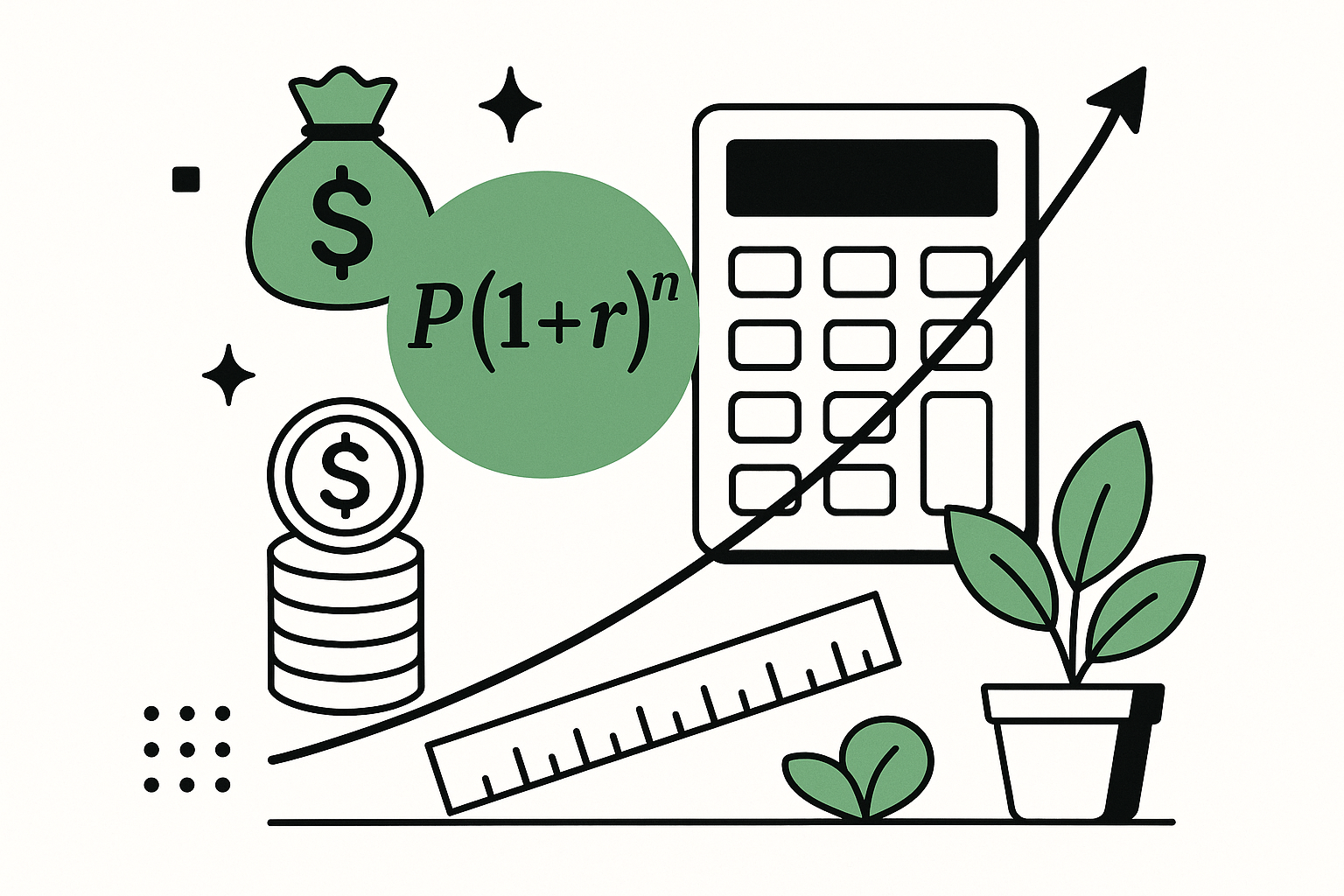
Algebra also plays a major role in various professions. Industries such as finance, computer science, architecture, and even marketing rely on algebraic principles. In finance, calculating interest rates, loan payments, or investment returns often uses algebraic formulas. In computer programming, variables and functions are central concepts, rooted in algebraic thinking. Understanding algebra prepares students for these fields by teaching them to model situations, analyze relationships, and make strategic decisions.
A key aspect of effective algebra learning is practice—through solving problems and applying concepts to real scenarios. Rather than memorizing procedures, successful learners often engage in exploration and pattern recognition, reinforcing the 'why' behind each method. For instance, comparing different mobile phone plans requires setting up and analyzing equations to see which offer best fits one's needs. This practical activity helps reinforce both mathematical and financial literacy.
Modern approaches to math education encourage making algebra as relevant and engaging as possible. Teachers often use hands-on activities, technology, and real-world problems to demystify algebra. Online tools and computer algebra systems allow students to visualize equations, experiment with different variables, and immediately see the impact of changes. These resources bring algebra to life, helping students understand its utility beyond the classroom.
In conclusion, algebra is not just a school requirement but a foundational skill that empowers individuals to solve problems, make informed choices, and succeed in a variety of contexts, especially when it comes to money management and decision-making. Building algebraic thinking lays the groundwork for further study in mathematics and related disciplines, equipping learners for the challenges and opportunities they encounter every day.