Class 10 Statistics: Understanding Data and its Real-World Value
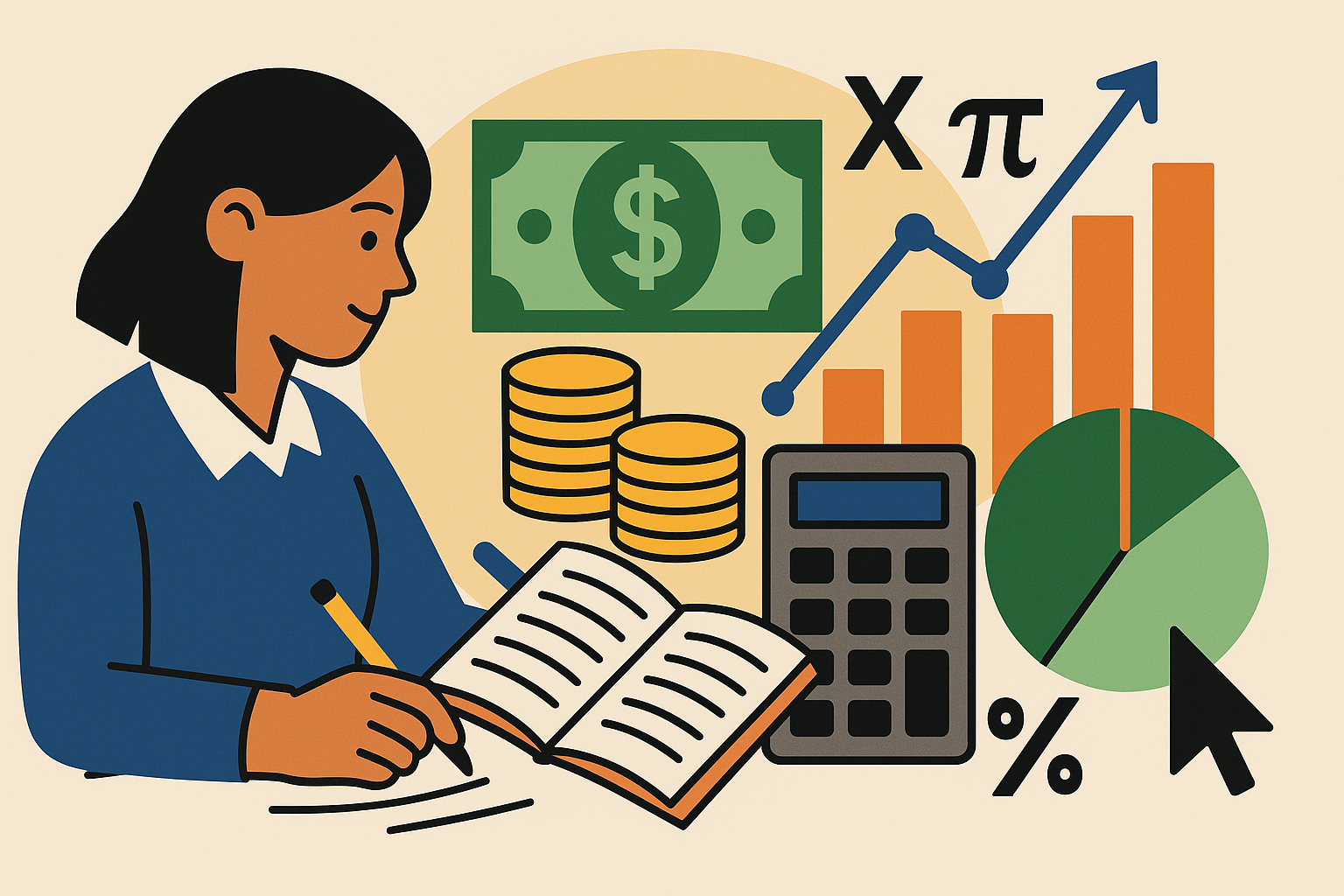
Statistics in the Class 10 curriculum is more than just numbers and formulas. It introduces students to the art of making sense of data and its direct applications in daily life—including how mathematics and money management are intertwined in practical scenarios. By learning statistics, students gain essential skills for evaluating information and making informed decisions that extend far beyond the classroom.
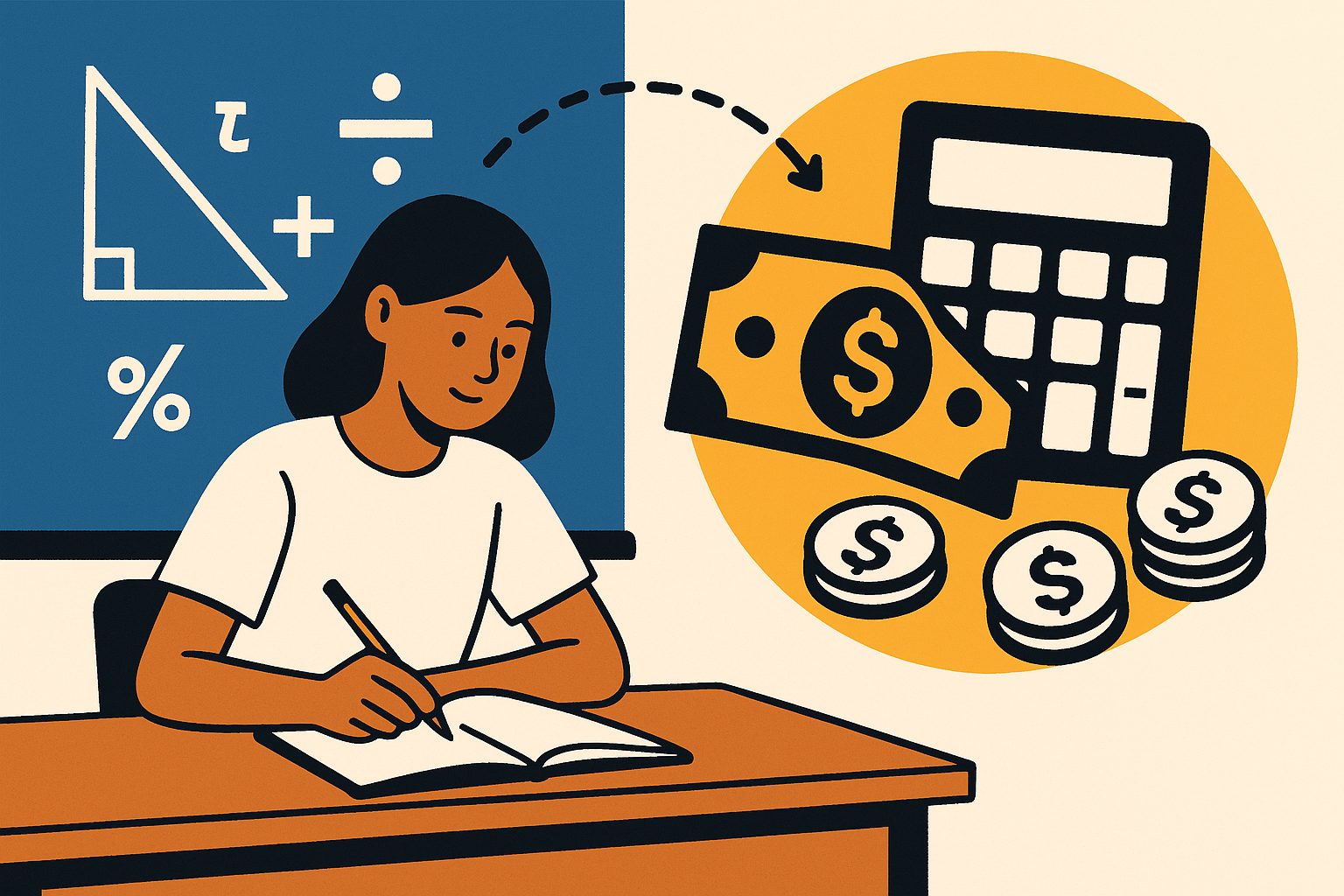
For many Class 10 students, statistics marks an important milestone in their mathematics education. The subject is a critical part of contemporary teaching worldwide, forming the bridge between abstract math and everyday life. Instead of focusing purely on calculation, today's statistics education encourages practical understanding, making it essential not just for exams, but for life’s many money and decision-based situations.
At its core, statistics is the science of collecting, organizing, analyzing, and interpreting numerical data. In a typical Class 10 course, students encounter the basics: mean, median, mode, range, and the graphical presentation of data. These concepts may seem simple, but their power lies in their real-world relevance. Whether tracking household expenses, interpreting sports scores, or evaluating trends in climate, the tools of statistics are universal and highly practical.
Consider, for example, how households manage their monthly budgets. The average (mean) amount spent on groceries or transport can help families predict and plan their expenditures for the next month. If parents want to set aside money for emergencies, they might look at the highest amounts spent in recent months (the maximum value in a data set), giving direct context to the range – the difference between the highest and lowest values. Similarly, determining the most common expense (mode) helps families identify habitual spending patterns and identify possible savings.
In business, statistics is used to make informed financial decisions. Companies analyze past sales data to forecast future revenues and budgets. Statistics allows them to estimate customer preferences and adjust inventory, reducing unnecessary expenses and boosting profits. This practical use of mathematics is what transforms abstract classroom lessons into valuable career skills for students.
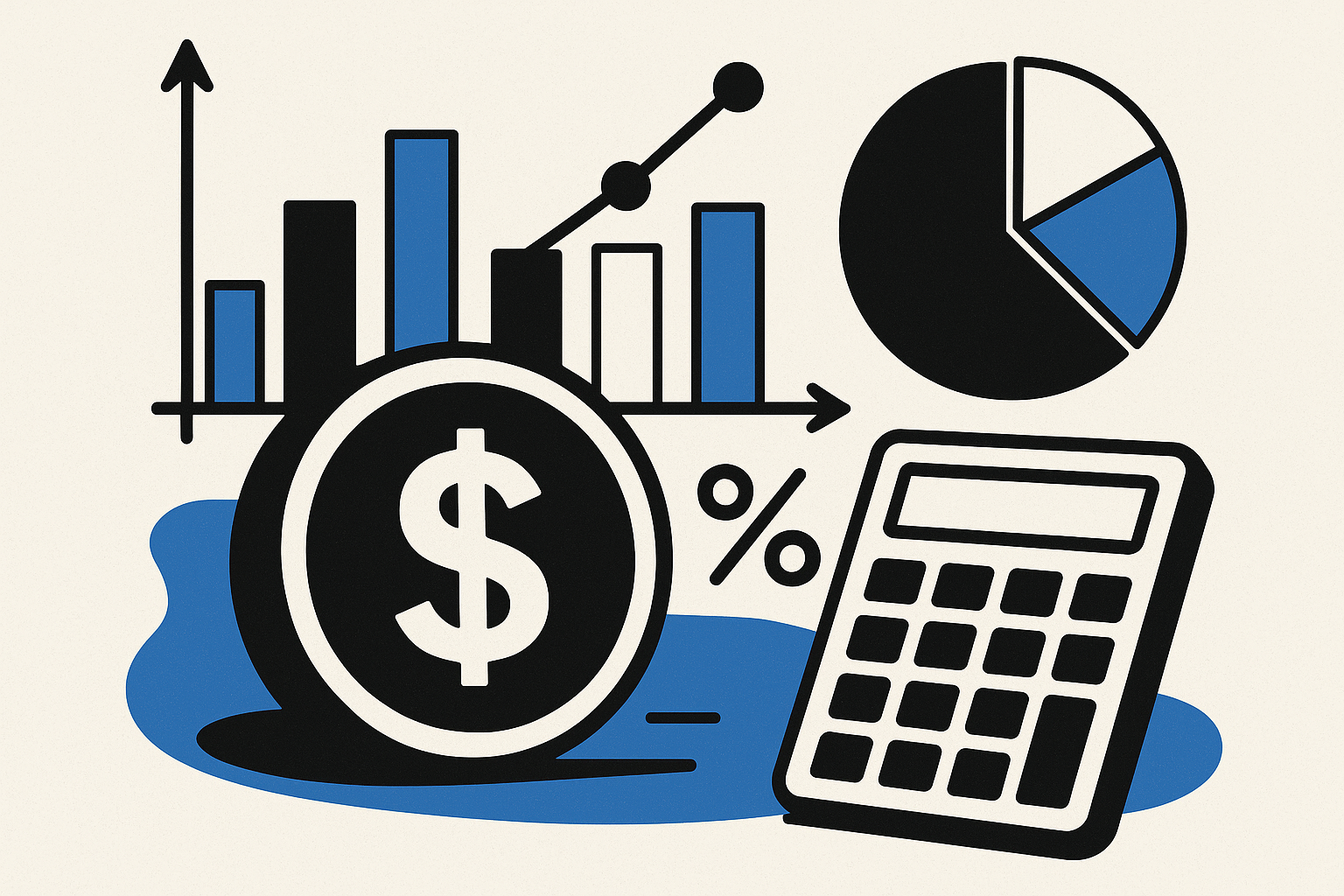
The importance of graphical representation cannot be overstated. Pie charts, bar graphs, histograms, and other visual tools help simplify large sets of information. Imagine a student running a small business selling handmade crafts. Tracking weekly earnings with a bar graph quickly highlights which weeks saw the highest sales and helps in planning for busy periods or upcoming expenses. These graphical skills, introduced in Class 10, set a strong foundation for higher studies as well as day-to-day financial literacy.
Beyond personal budgeting and business, statistics plays a role in understanding social and economic issues. Public health organizations track disease outbreaks using data analysis. Governments analyze unemployment rates and inflation to craft economic policies. Thus, Class 10 statistics is not just about solving textbook problems but about gaining the ability to interpret news, reports, and social trends, empowering citizens to make informed choices.
It is also important to note that global approaches to mathematics education often stress critical thinking and problem-solving rather than rote learning. By examining real datasets—ranging from minimum wages in different countries to variations in educational outcomes—students develop the empirical reasoning skills necessary for active participation in society. This practical perspective on statistics is increasingly reflected in curricula across the world.
With money and mathematics intricately linked, a solid grounding in statistics enables students to better manage their finances, understand the probability of risks, and even prepare them for jobs that rely on data-driven decision-making. In a world awash with data, the ability to analyze and interpret information is one of the most valuable outcomes of statistics education.
In conclusion, learning statistics in Class 10 equips students not just with mathematical techniques, but with a mindset for analyzing everyday issues. From budgeting household income to understanding global financial trends, statistics provides the practical tools for lifelong learning and informed decision-making. For students, parents, and educators alike, this branch of mathematics lays the groundwork for a financially savvy and mathematically literate future.