Making Sense of Math: Practical Learning for Real-World Success
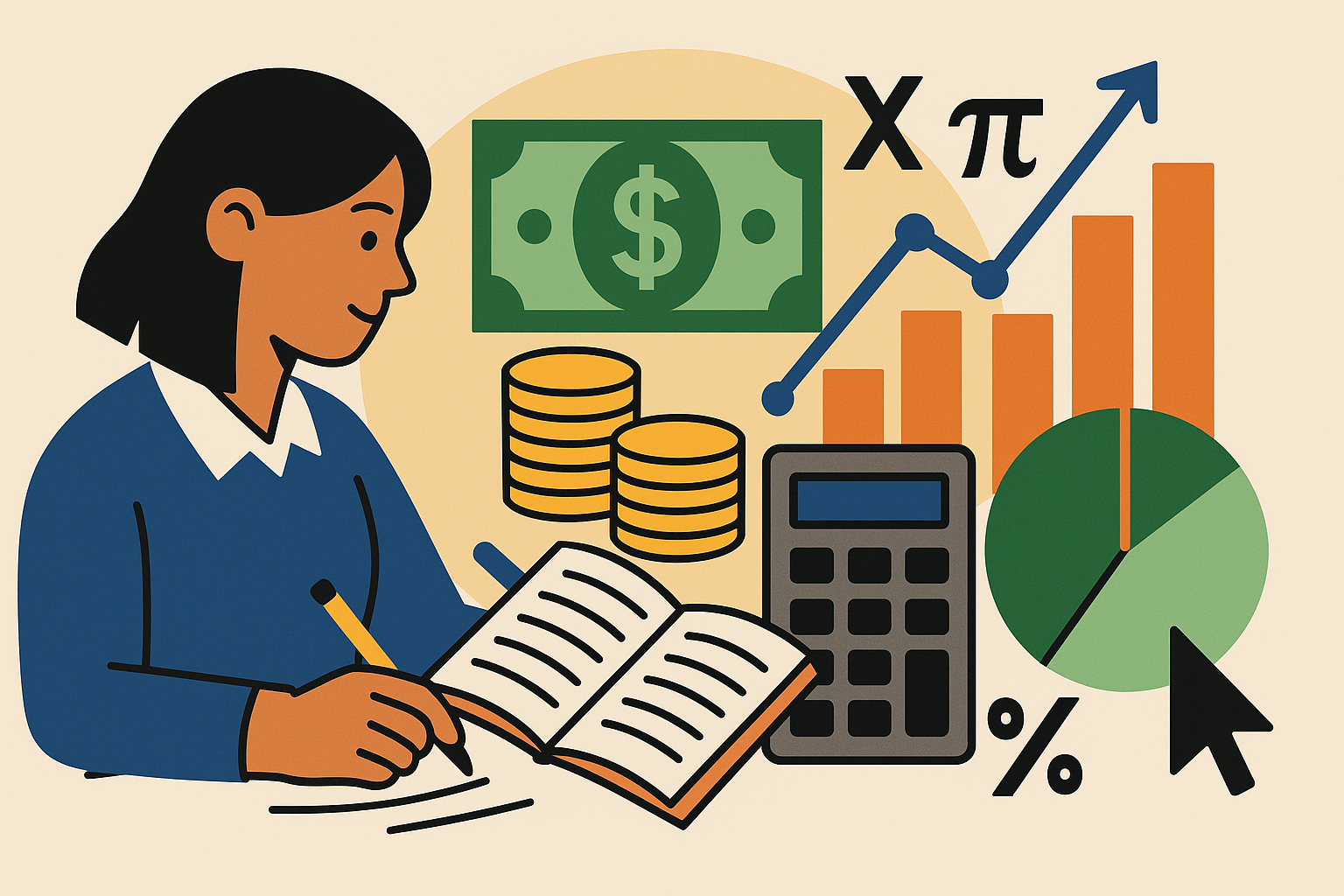
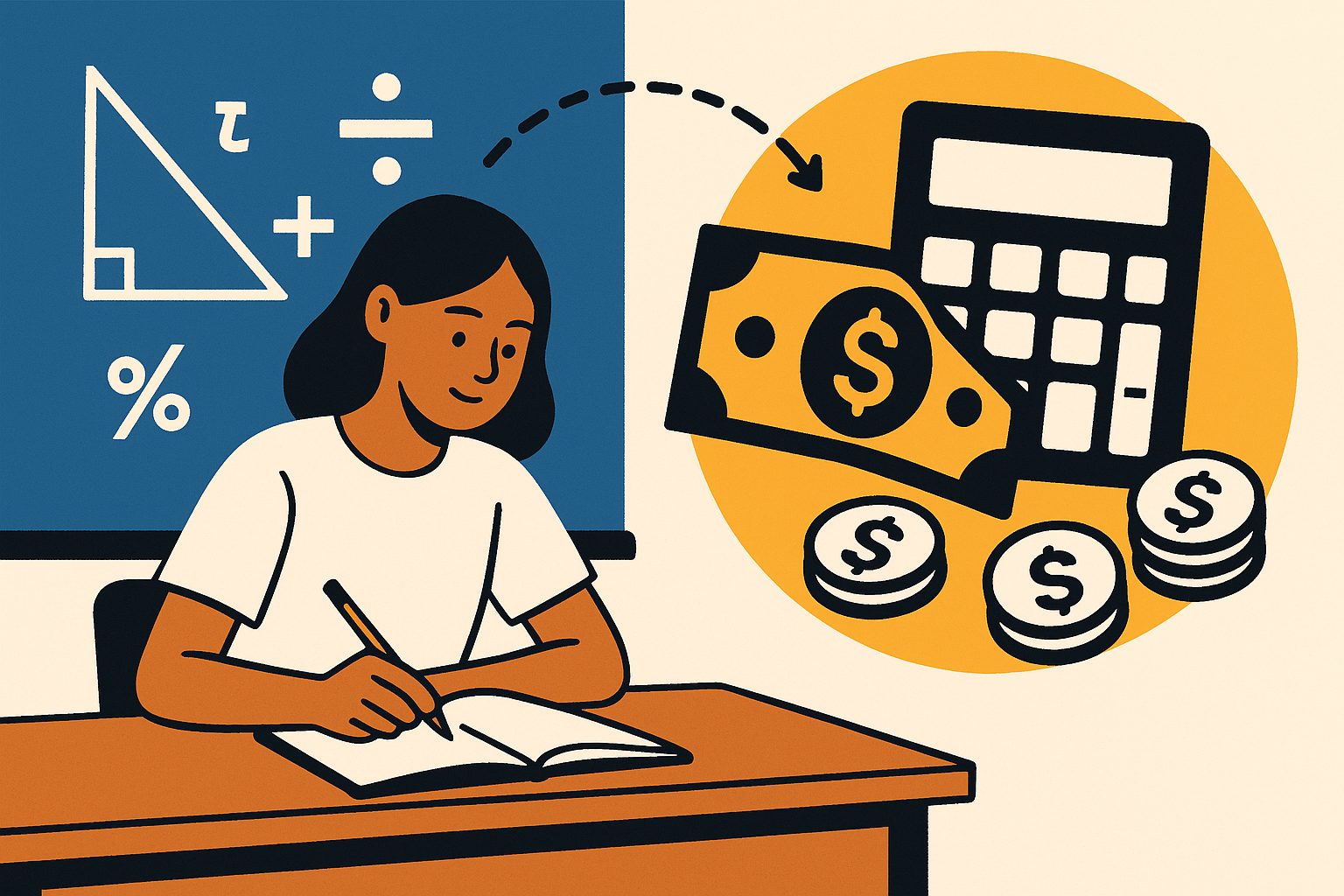
Math education is more than solving equations — it's about giving students the tools they need to understand the world, manage money, and make confident decisions in daily life. By focusing on clear explanations and real-life applications, especially around finances, educators can help students see mathematics as a valuable part of everyday living.
Mathematics education is a cornerstone of schooling across the globe, taking various forms in different countries and even within regions of the same country. While approaches may differ, the shared goal is clear: to equip students with critical thinking skills and practical knowledge for solving problems inside and outside the classroom. In recent years, educators have increasingly emphasized hands-on, practical learning and clear explanations to help ground mathematical concepts in everyday reality.
One of the most vital connections students can make in math class is to the world of money. From a young age, people encounter mathematics whenever they spend, save, or budget. Understanding percentages allows students to calculate sales tax or discounts while shopping. Fractions, decimals, and ratios appear in recipes or when comparing product prices. By directly relating lessons to these scenarios, teachers help students grasp why math matters — and how it empowers them as consumers.
Different teaching approaches aim to make mathematics more accessible. Methods like 'Singapore math,' for example, stress visual learning and step-by-step problem-solving. This approach has gained international attention for its effectiveness in developing fundamental understanding, not just rote memorization. Similarly, the Montessori method encourages exploration with concrete objects, enabling even very young children to build mathematical foundations by manipulating physical materials. These practices highlight the importance of making abstract concepts tangible and understandable.
In the United States, math curricula can vary widely from one state or district to another, and changes such as the adoption of the Common Core standards have sought to bring more consistency. Many educators now incorporate project-based learning, where students apply mathematical reasoning to real-life projects, such as planning a budget for a class event. This method encourages deeper engagement and helps students see the practical value of their classroom lessons.
Beyond formal schooling, basic mathematical knowledge is essential for navigating adult life. For example, knowing how to calculate simple and compound interest is key to understanding loans, credit card debt, and savings accounts. When young people learn to interpret utility bills, evaluate mobile phone plans, or estimate expenses for a trip, they are using math in ways that directly impact their financial well-being. These everyday applications underscore that mathematics is an essential skill, not just an academic requirement.
Educators worldwide continue to refine their teaching strategies in search of the most effective ways to teach mathematics. While some methods come and go, such as the "New Math" movement of the mid-20th century, the underlying goal remains constant: to provide students with knowledge and confidence. By using clear explanations, practical examples, and connecting mathematics to students' own lives — particularly around money — teachers can help every learner discover that math is a powerful tool for making sense of the world.
Ultimately, fostering a positive relationship with mathematics can have a profound impact. When students experience math as accessible, relevant, and understandable, they are more likely to develop the confidence and curiosity that support lifelong learning. Whether balancing a budget, following a recipe, or comparing mortgage options, the foundational skills acquired in math class enable individuals to make informed decisions — turning numbers into opportunities.