Cyber Scams: Understanding, Preventing, and Measuring Their Cost
Cyber scams have become a modern crime wave, costing individuals, businesses, and society billions every year. Learn what cyber scams are, how they work, and what practical steps you can take to avoid becoming a victim. Explore the real-world financial impact and understand the mathematics behind how cybercrime spreads.
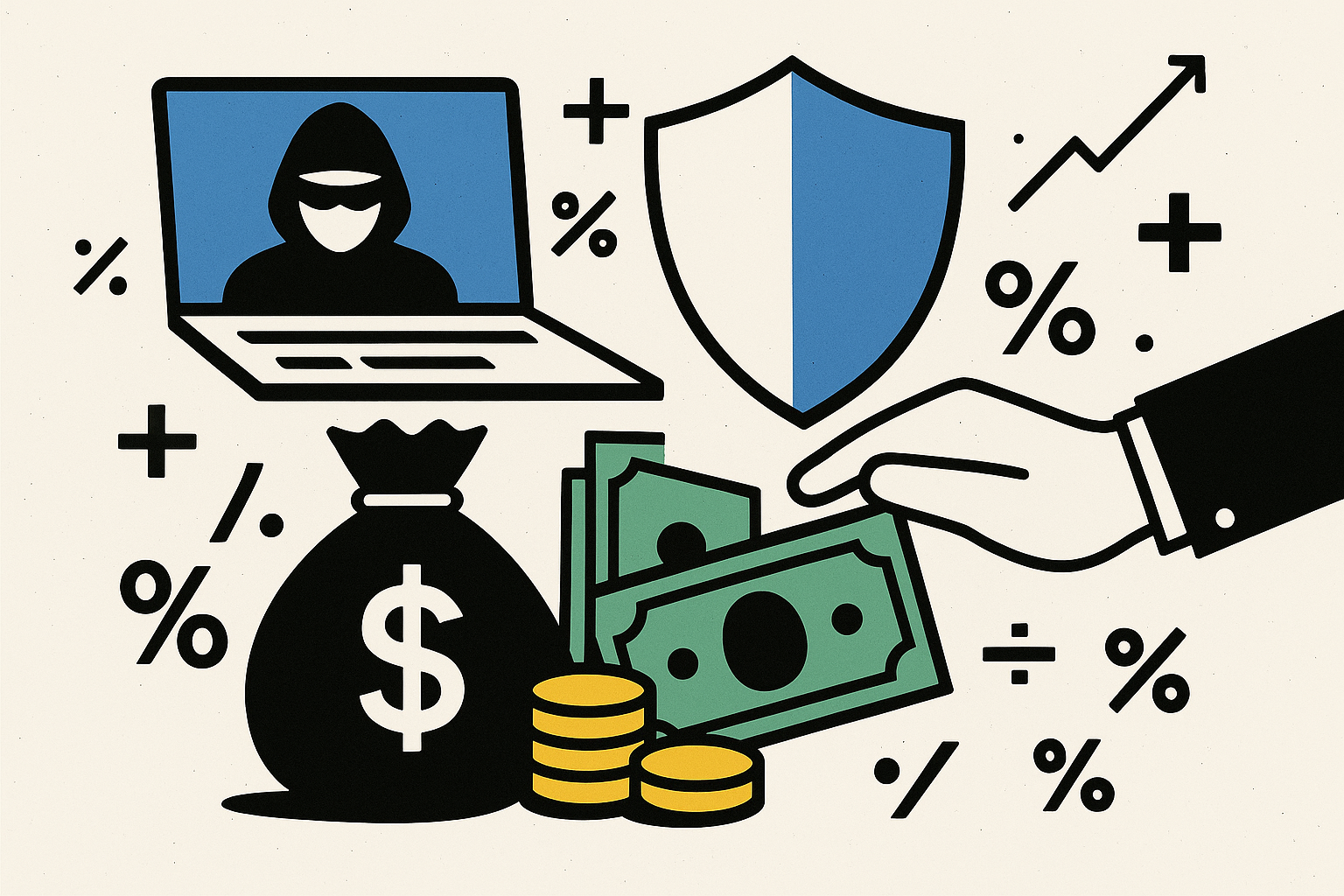
In today’s increasingly digital world, criminals are shifting their focus from physical theft to cyber scams. These scams are crimes committed using computers, networks, and smartphones, with the aim of stealing personal information, money, or sensitive business data. While technology has brought many conveniences, it has also created opportunities for cyber criminals to trick and defraud unsuspecting victims. Understanding cyber scams is a critical part of staying safe online.
A cyber scam can take many forms. Common tactics include phishing emails, fake websites, fraudulent online offers, and scams involving virtual currency. In phishing, for example, scammers send messages that appear to be from legitimate sources—like a bank or popular online service—to trick you into giving up your passwords or financial details. Sometimes, cybercriminals set up fake online stores, promising great deals but delivering only disappointment or empty packages.
The financial damage caused by cyber scams is staggering. For example, cyber scams cost US businesses over $2 billion in just two years, according to documented cases covered in the realm of computer security. Even big organizations are not immune—like in May 2016, when the Milwaukee Bucks NBA team became a victim, exposing sensitive payroll information. For individuals, the impact can range from losing a few dollars to losing an entire life’s savings. It’s clear that the effects are not just virtual—they have very real money implications.
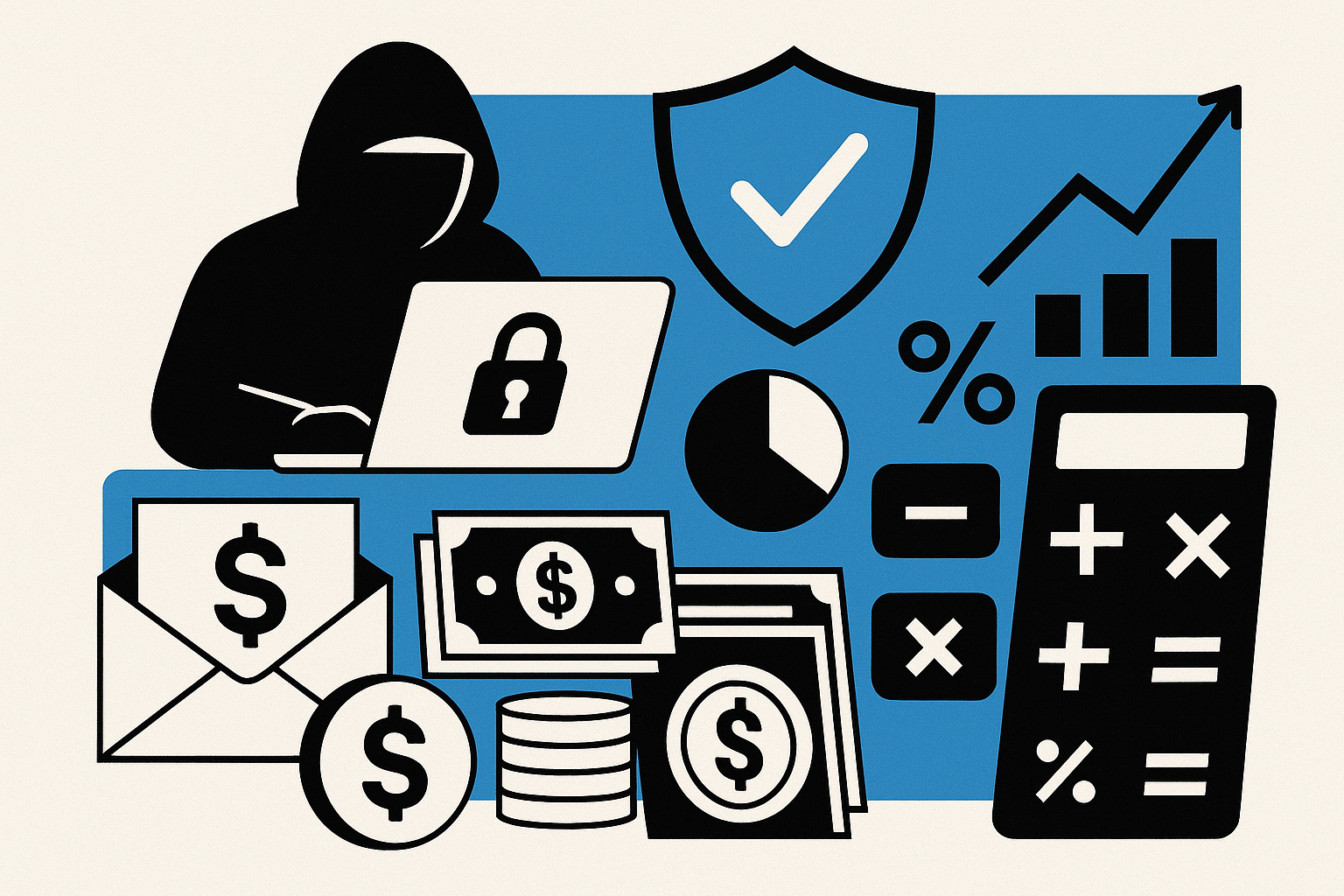
There are important mathematical concepts involved in both the execution and prevention of cyber scams. Many scams operate on probability: the more targets a scammer reaches, the greater the odds that someone will fall for the trick. If a scammer sends a deceptive email to 100,000 people, and only 1 percent reply, that’s still 1,000 potential victims. This simple percentage math shows why mass phishing campaigns are so popular among scammers. On a larger scale, banks and businesses employ statistical models and artificial intelligence to detect suspicious patterns, helping to catch fraud before money is lost.
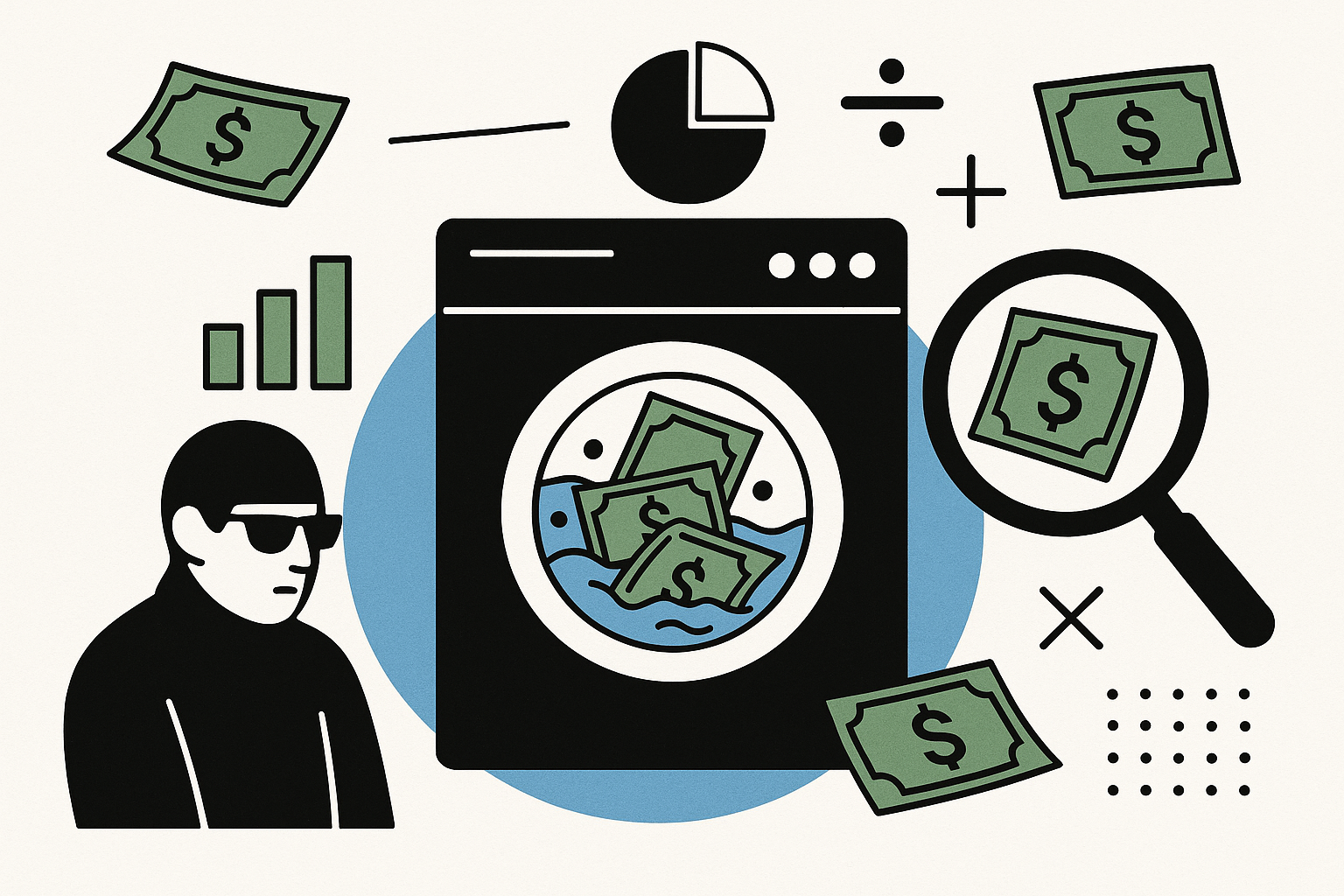
The rise of virtual currency introduces another layer of risk. Virtual money such as cryptocurrencies is often unregulated and difficult to trace, making it a popular tool for cyber scammers. Individuals may receive fake online investment offers or be tricked into sending money through cryptocurrency exchanges. In these cases, once the money is sent, it is almost impossible to recover, due to the mathematics of blockchain systems designed for privacy and decentralization. Understanding the risks and math behind how money moves online is crucial for safe digital interactions.
So what can you do to protect yourself? First, never click on suspicious links or respond to emails requesting sensitive information—even if they look real. Always check website addresses for slight misspellings or unusual endings. Use strong, unique passwords for each service, and change them regularly. Enable two-factor authentication wherever possible. Learn how to identify scams by keeping up-to-date with news from organizations like the National Cyber Security Alliance, which promotes education on cyber safety.
Businesses and schools are investing in education and technology to help reduce the harm caused by cyber scams. Advances in artificial intelligence and mathematics-based security systems can help in identifying and blocking fraudulent activity, but personal vigilance remains the best defense. The more you understand about how these scams work—and the logic and math behind them—the less likely you are to become a victim. In the end, the fight against cyber crime is a combination of common sense, education, and a bit of arithmetic.