Making Math Count: Practical Approaches to Mathematics Education
Math education thrives when it builds real-world connections and prioritizes clear, practical explanations. This article explores how integrating everyday examples, such as using money, can make mathematical concepts more understandable and relatable for learners of all ages.
Mathematics is more than just numbers and symbols—it is a foundational tool for navigating the world. From calculating change at the grocery store to understanding data in the news, math education equips individuals with essential problem-solving skills. However, for many students, mathematics can feel abstract and disconnected from daily life. Modern approaches to teaching math focus on closing this gap with practical learning and clear explanations, helping learners see the relevance of math in their everyday experiences.
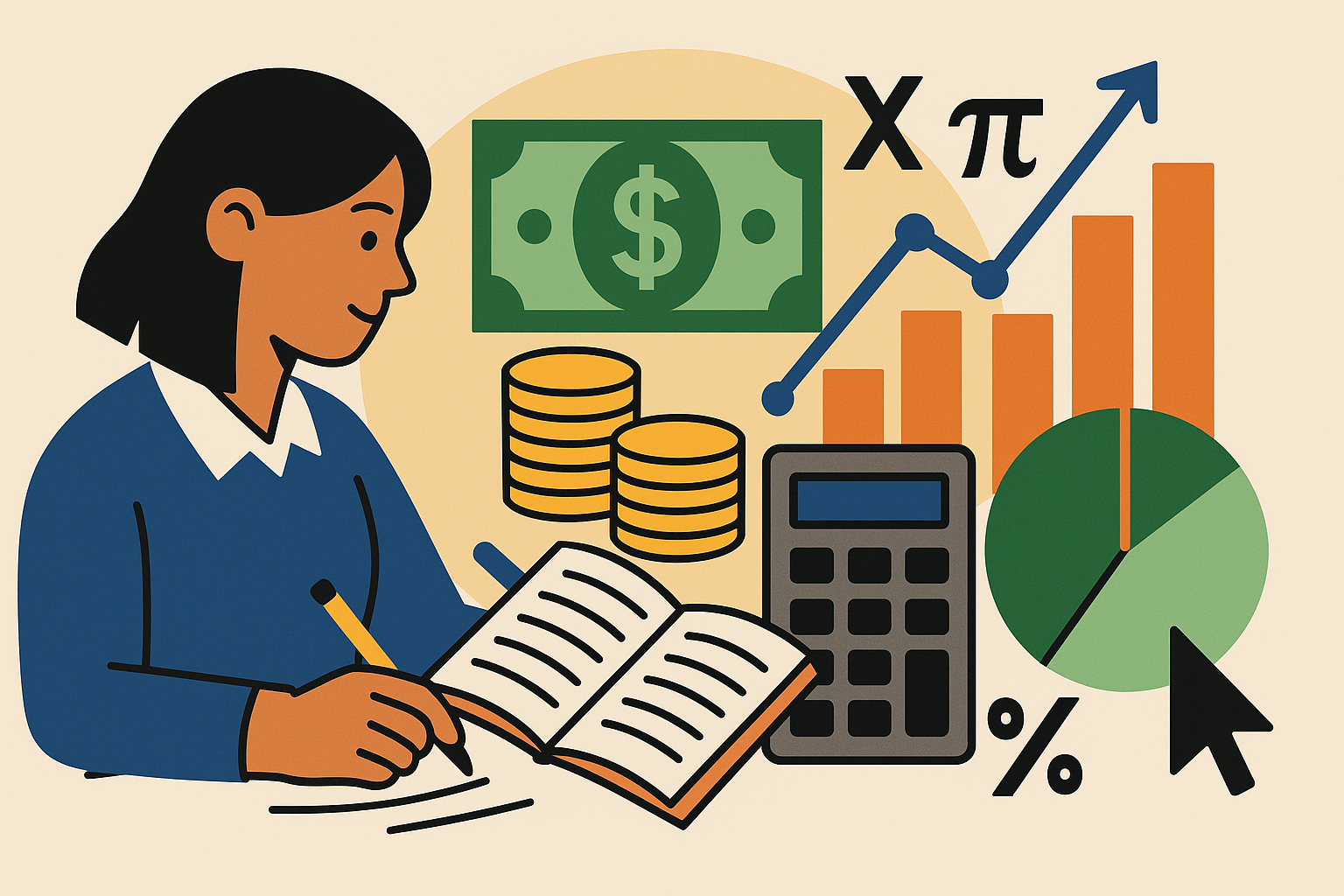
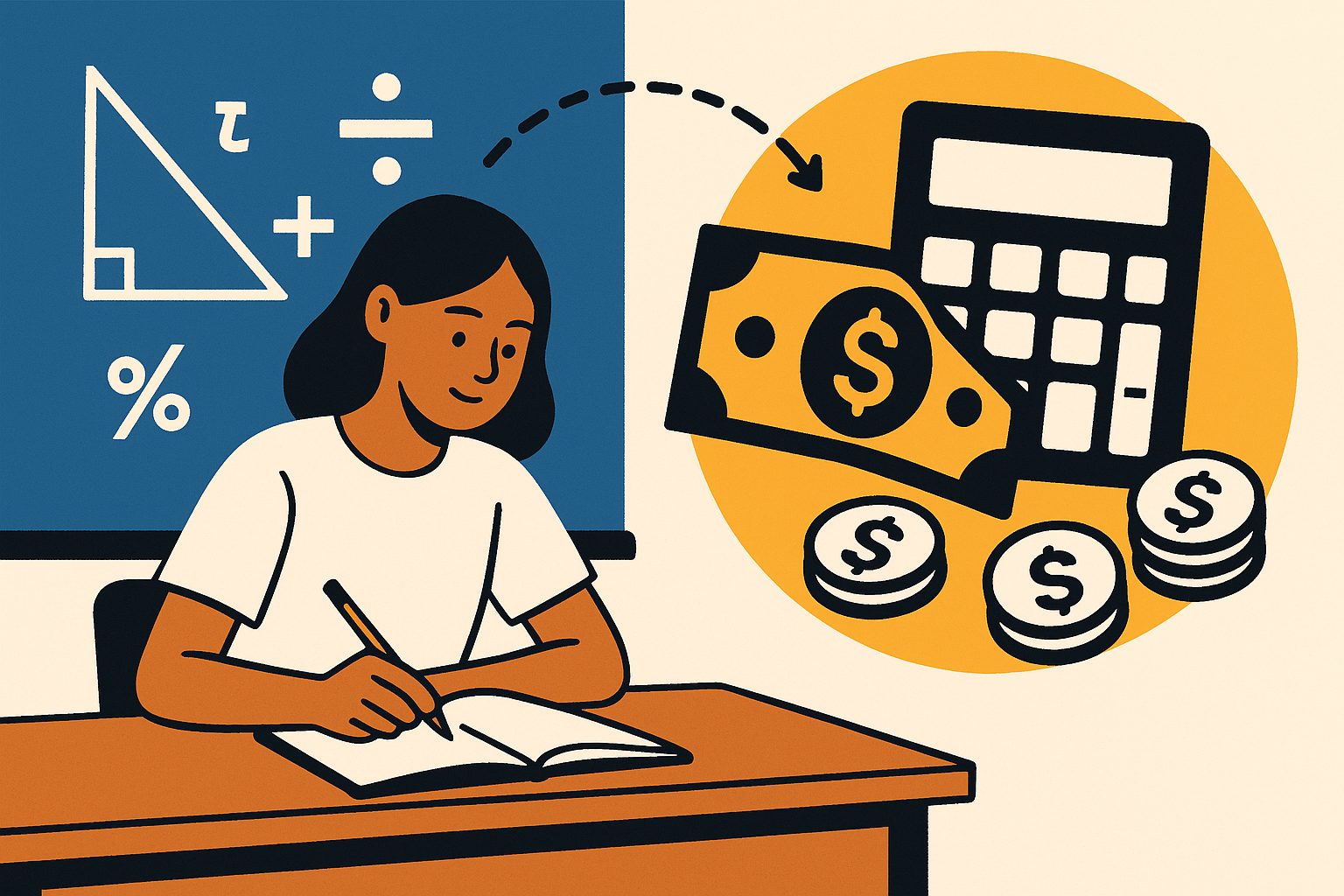
One powerful way to bring math to life is through money-related activities. Money is a universal, tangible example that children and adults interact with regularly. Teaching concepts like addition, subtraction, multiplication, and division becomes more meaningful when tied to shopping, budgeting, or even saving for a desired item. For example, estimating the total cost of items in a shopping cart or calculating the appropriate amount of change during a purchase are exercises that promote both mathematical understanding and real-world competency.
Many countries have experimented with math teaching methods that emphasize understanding over rote memorization. In Singapore, for example, the 'Singapore math' approach is widely recognized. This method encourages students to use visual aids and step-by-step problem solving, enabling them to not only get the right answers, but also to understand why those answers make sense. Similarly, Japanese and Taiwanese students often score well in global math assessments, and their education systems often emphasize a problem-based approach supported by collaborative classroom activities.
The United States has also seen shifts in math education, particularly since the adoption of the Common Core standards, which encourage students to explain their reasoning. Instead of only providing correct answers, students are often asked to demonstrate how they arrived at a solution and to apply their knowledge in various contexts, including those involving money and practical decision-making. Although implementation differs across states and schools, the underlying principle is to build mathematical thinking that supports real-world problem solving.
Clear explanations and relatable examples can also help address math anxiety, a common challenge faced by students around the world. When mathematical ideas are explained in familiar terms—such as dividing a pizza to introduce fractions or doubling a recipe to teach multiplication—the subject becomes less intimidating. Practical activities such as setting up a mock store or planning a family budget can turn abstract concepts into tangible skills.
Technology now offers additional tools to support practical math learning. Interactive apps and games simulate shopping, budgeting, and investment scenarios, allowing students to experiment and learn in a low-pressure environment. These platforms often provide instant feedback, helping learners correct mistakes and deepen their understanding.
Ultimately, effective math education is about more than just performing calculations. It is about building the confidence and skills needed to make informed decisions in daily life. By tying mathematics to real-world money matters and focusing on clear, concrete explanations, educators can inspire learners to view math not as a hurdle, but as a useful, empowering tool.