Making Math Matter: Practical Approaches to Mathematics Education
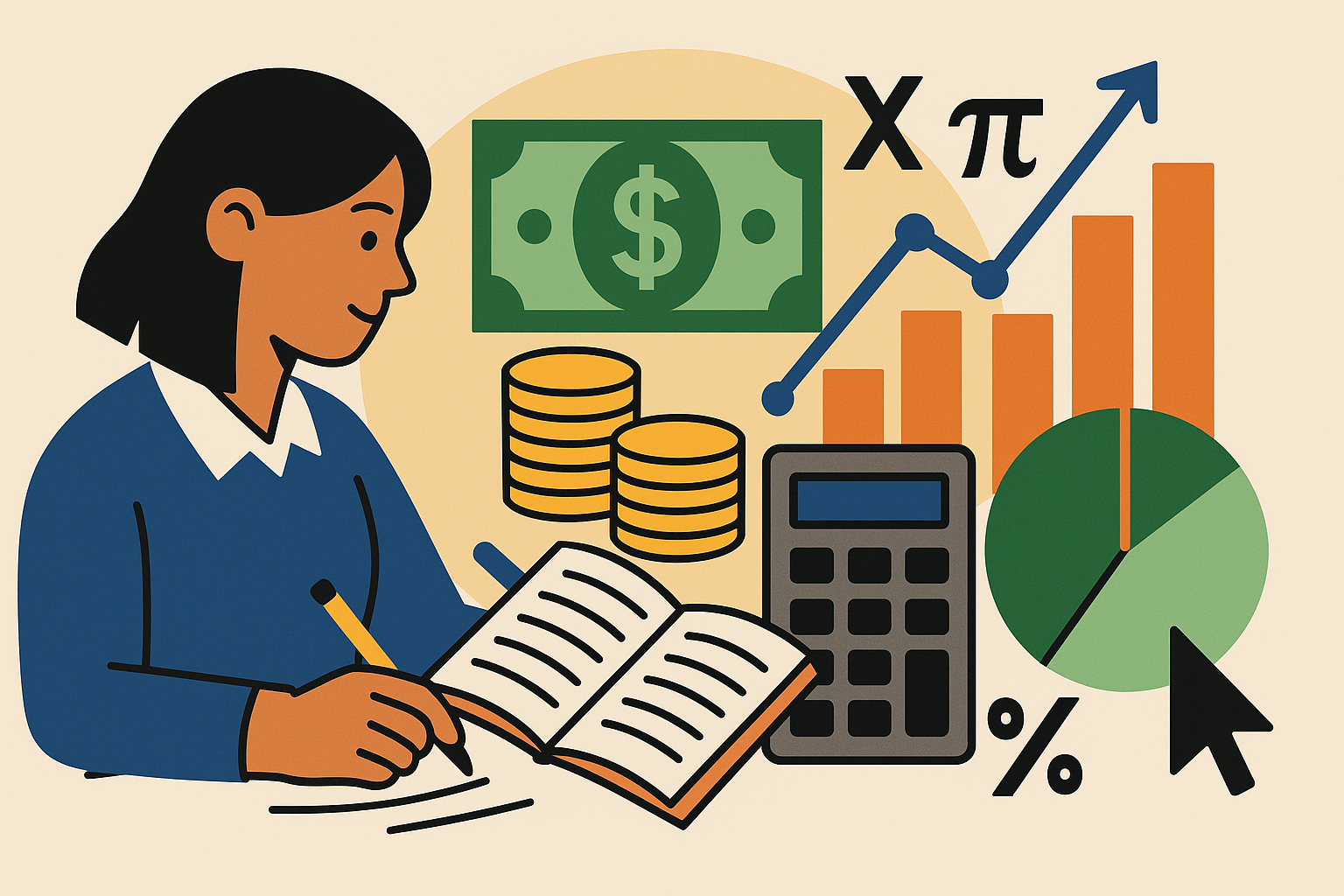
Mathematics is often seen as a collection of abstract rules and equations, but its real-world relevance, especially in areas like money management, underlines the importance of clear explanations and hands-on learning. This article explores practical strategies for making math education meaningful, with a special focus on connecting mathematics to everyday situations.
For many students, mathematics feels disconnected from their day-to-day lives. Numbers, equations, and formulas can seem abstract and daunting when taught without context. Yet, math is everywhere—in grocery shopping, managing finances, and even organizing a schedule. As educators and parents increasingly focus on preparing students for real-world challenges, the need for practical, accessible math education has never been greater.
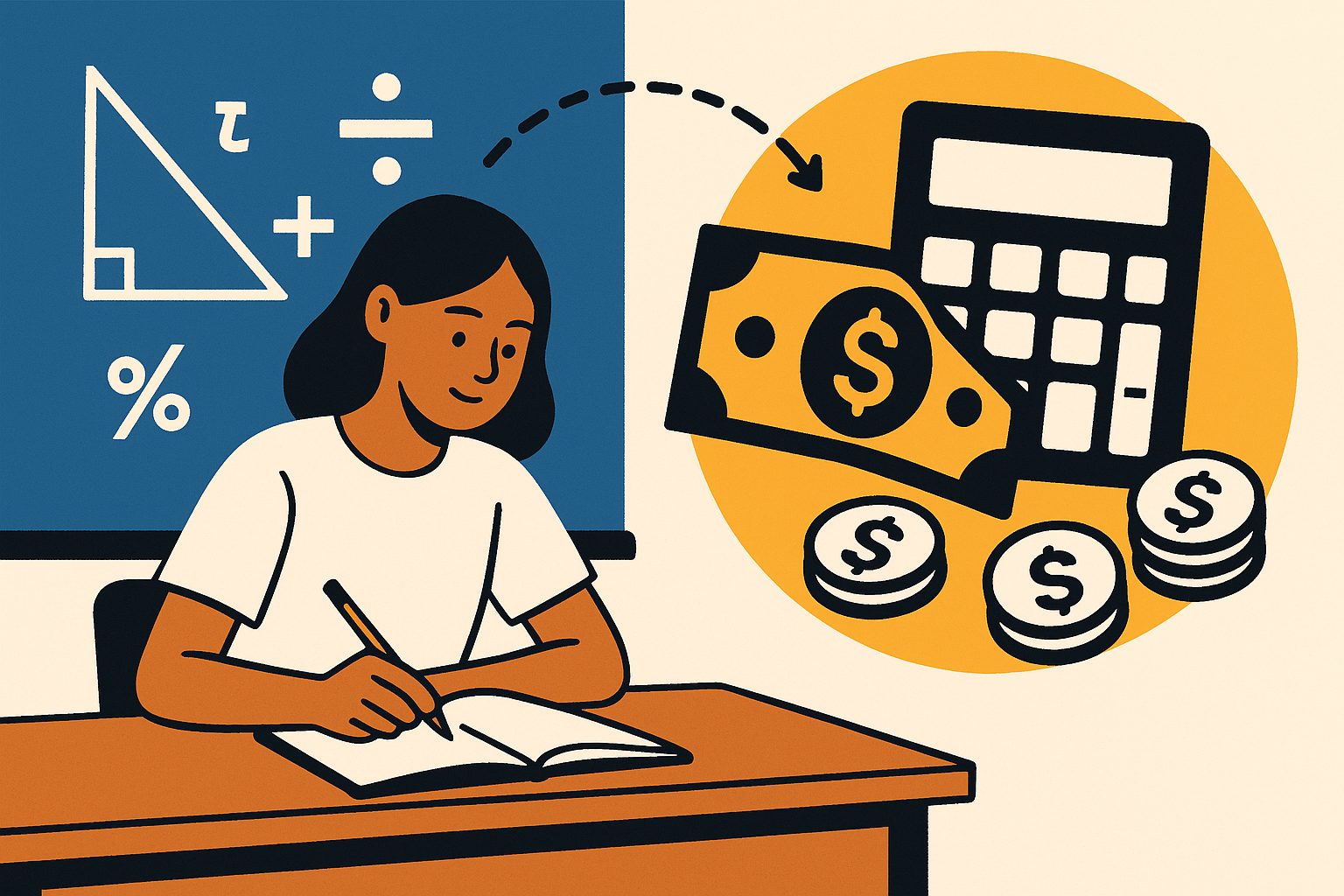
One key to effective math education is clear explanation. Complex concepts, like fractions, percentages, or algebraic equations, are much easier to master when they are broken down into manageable pieces and connected to familiar situations. For example, learning about percentages can begin with shopping discounts: Teachers can ask, 'If a jacket that costs $60 is on sale for 25% off, how much do you pay?' By anchoring lessons in everyday experiences, students see the value and application of mathematical ideas.
Practical learning goes beyond the traditional textbook. Hands-on methods, such as using manipulatives (like coins or blocks), drawing diagrams, or solving problems from daily life, help make abstract concepts concrete. In Montessori classrooms, for example, children often work with physical materials to explore mathematical relationships, building a deep, lasting understanding that textbooks alone may not deliver.
Money provides a particularly powerful context for learning mathematics. Budgeting—a vital life skill—encapsulates a range of mathematical concepts: addition, subtraction, multiplication, division, estimation, and more. When students learn to create a simple budget, they must calculate income, plan expenses, and make decisions. This not only strengthens their math skills but also empowers them to manage personal finances effectively as they grow older.
Different countries and educational systems have developed unique methods to support practical math learning. In Singapore, for instance, a highly visual and step-by-step approach to teaching mathematics emphasizes mastery through problem solving and clear explanation. U.S. schools that follow the Common Core standards aim to connect math lessons to real-life applications, such as measuring ingredients for a recipe or comparing cell phone plans. These curricular shifts are designed to help students make sense of mathematics rather than simply memorizing procedures.
However, making math education practical is not just about curriculum changes—it also requires support for teachers. Training teachers to develop engaging problems, encourage exploration, and guide students in making mathematical connections is crucial. When teachers model their own problem-solving processes and foster a classroom environment where students are encouraged to ask questions and make mistakes, they help build mathematical confidence.
Research suggests that students are more motivated to learn mathematics when they see its relevance. Talking about money, making shopping lists, or even planning a family trip offers authentic opportunities to practice key skills. Parents can reinforce classroom learning by involving children in managing household expenses or saving for a special purchase, making math a natural and useful part of life.
Ultimately, practical and clear math education is not just about improving test scores. It prepares students to reason logically, make informed decisions, and face real-world challenges with confidence. By emphasizing hands-on learning and linking math to everyday experiences—especially through practical topics like money—educators and families can help students discover that mathematics truly matters.