Money Laundering: Understanding the Basics and Fighting Crime
Money laundering is the process of making illegally-gained money appear legal. Learn what money laundering is, how it works, and why it matters for our society and financial systems, with clear practical examples and real-world math connections.
Money is a powerful tool in our daily lives. We use it to buy food, pay rent, and save for the future. But money can also play a central role in crimes. One of the most significant financial crimes in our world is money laundering. Understanding what money laundering is, and how it works, is vital for protecting our communities and keeping our financial systems safe.
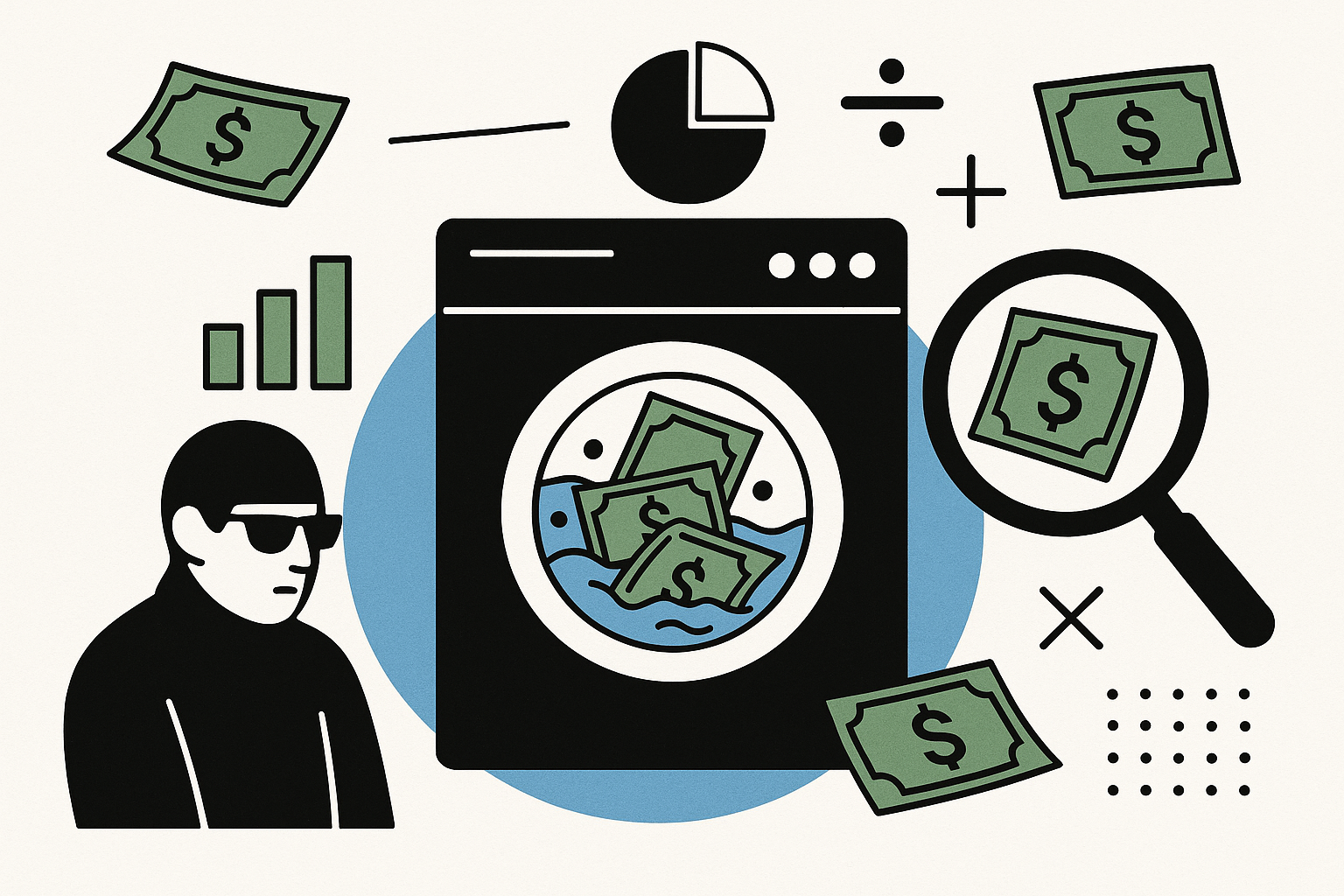
Money laundering is the process by which money that comes from illegal activities (such as drug trafficking, corruption, or fraud) is made to look like it comes from legitimate sources. In simple terms, it's 'cleaning' dirty money so that it looks legal. Criminals need to launder money because large amounts of unexplained cash can raise suspicion. Banks and law enforcement agencies look for unusual financial activity, so criminals create complex methods to disguise the origin of their funds.
Let’s break it down with a practical example. Imagine someone makes $100,000 from illegal gambling. If they simply put this money in their bank account, authorities may ask questions about where the money came from. Instead, the person may try to launder it. One common method is to create a 'front' business – a place like a restaurant or a nightclub, which deals with a lot of cash. They report higher sales than they actually have, mixing illegal money with the money earned from real customers. In mathematical terms, if a restaurant genuinely makes $5,000 a week, but they claim $10,000 by adding $5,000 in illegal cash each week, they slowly turn 'dirty' money into 'clean' money over time. In a year, they could funnel $260,000 of illegal funds into their 'legitimate' business.
There are three classic steps in the money laundering process: placement, layering, and integration. Placement is when illegal money first enters the financial system – for example, depositing small amounts in multiple banks to avoid drawing attention. Layering involves moving the money through a complicated series of transactions, such as moving funds between multiple accounts, using shell companies, or transferring money overseas. This step is all about making the money’s trail hard to follow. Finally, integration is when the money re-enters the economy looking like legitimate business income or investment funds, ready to be spent or invested without suspicion.
Money laundering isn’t just a problem for banks and governments. It affects all of us. When criminals succeed in laundering money, they gain more power and resources. This can lead to more crime and corruption. For example, money laundering can help fund terrorism or support organized criminal groups. Moreover, large sums of illicit cash flowing through economies can distort property prices or make local businesses struggle to compete against criminal enterprises with unlimited cash.
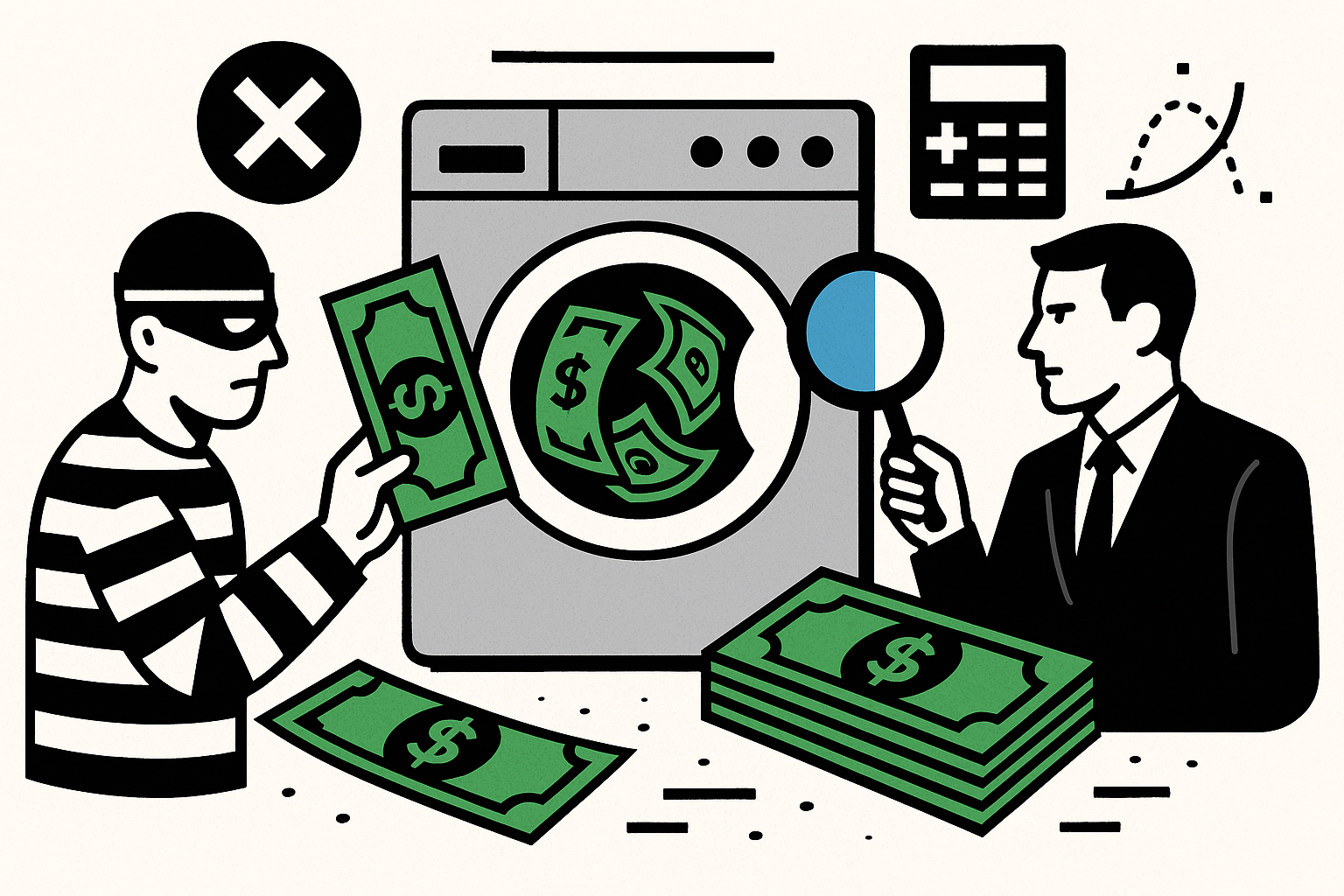
Fighting money laundering requires cooperation between banks, governments, and international organizations. Financial institutions use sophisticated mathematical models and software to detect unusual patterns, such as many deposits just under the dollar amount that would trigger official reporting. When banks notice odd activity – for example, someone depositing $9,900 several times instead of a single $30,000 deposit – they file Suspicious Activity Reports (SARs) for authorities to investigate.
Laws and agencies play a major role, too. Many countries have anti-money laundering (AML) laws, requiring banks and businesses to monitor their customers and check where their money comes from. Globally, organizations such as the Financial Action Task Force (FATF) set standards and work with countries to fight this problem. Central banks worldwide also help enforce these rules, safeguarding the whole financial system.
In summary, money laundering is a serious anti-crime issue that transforms illegal money into apparently legitimate assets. Understanding the math and money behind the process shows how complex and damaging it can be. As we all use financial systems, being aware of these risks can help us spot warning signs and support the efforts to keep our economies fair and just.