Understanding Fraud Prevention: Practical Lessons for Everyday Life
Fraud is a pervasive challenge that affects individuals, businesses, and governments worldwide. This article explores how understanding mathematics and real-world money matters can empower us all to recognize and prevent fraud, drawing from recent high-profile cases and new laws.
Fraud is often seen as a topic for law enforcement or accountants. However, everyone is vulnerable to scams—and everyone can learn to spot and prevent fraud using practical skills in mathematics and a sharp awareness of everyday money matters. In recent years, widespread scandals such as exam paper leaks in India and financial frauds involving high-profile personalities have shown that fraud prevention is an essential life skill.
At its core, fraud is a deception meant to result in financial or personal gain. This can range from someone forging an exam paper to large-scale schemes where millions of dollars are shifted in complex financial maneuvers. For instance, the 2024 examination paper leak in India led to the creation of the Public Examinations (Prevention of Unfair Means) Act, a new law that aims to curb dishonest practices and ensure the integrity of exam results. Laws like this demonstrate governments’ efforts to protect systems against fraud.
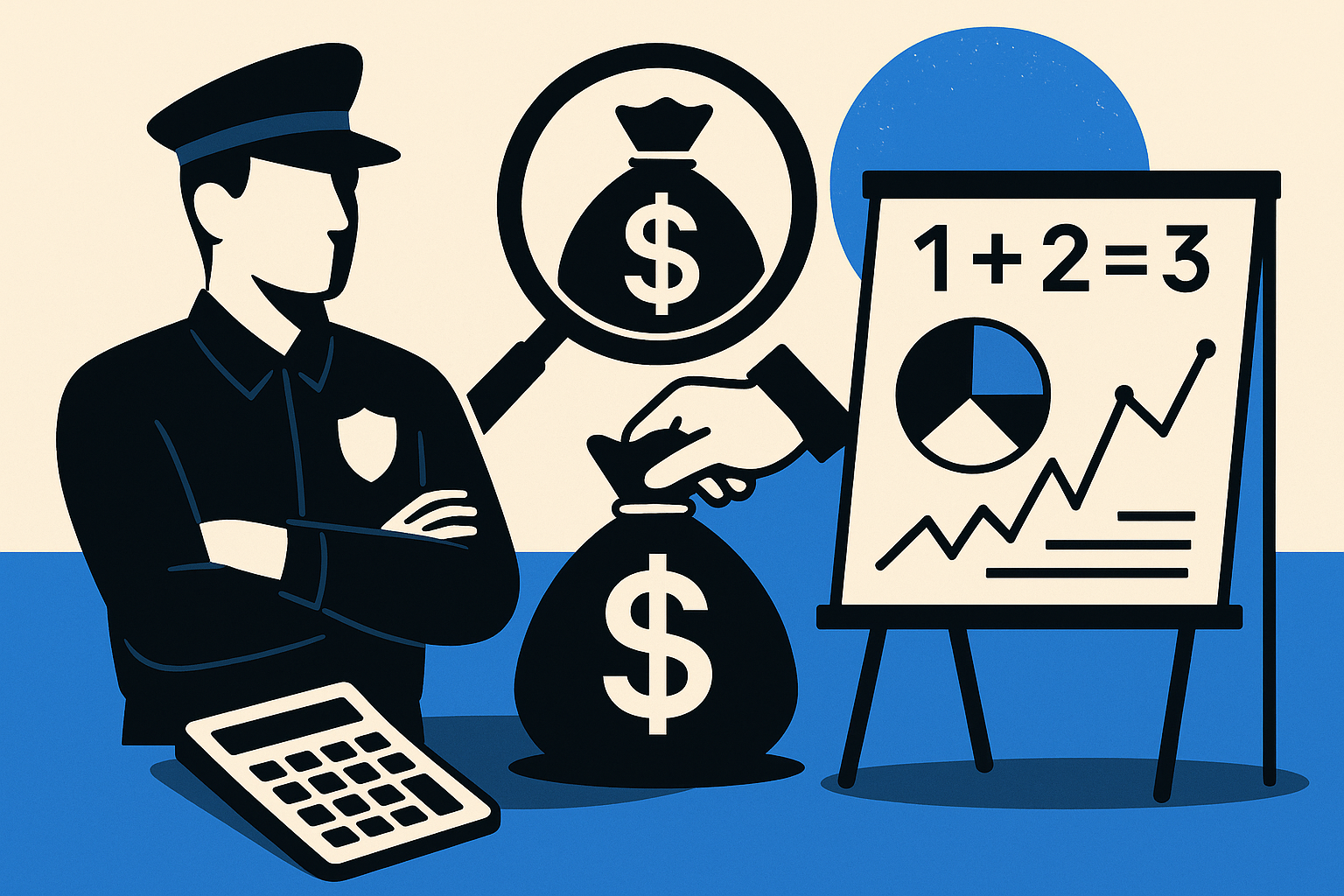
A strong connection exists between mathematics and the ability to spot fraud both in personal finance and in organizational settings. Mathematical thinking teaches us how to track money, recognize patterns, and question discrepancies. For example, when unusual financial transactions appear—such as repeated small withdrawals from an ATM or unexpected credit card charges—these are often the first signs of a scam. It takes basic arithmetic and pattern recognition, skills taught in school, to notice when amounts don't add up. In fact, the 2024 NEET controversy in India, where mathematically impossible exam scores were reported, shows how careful analysis of numbers can reveal wrongdoing.
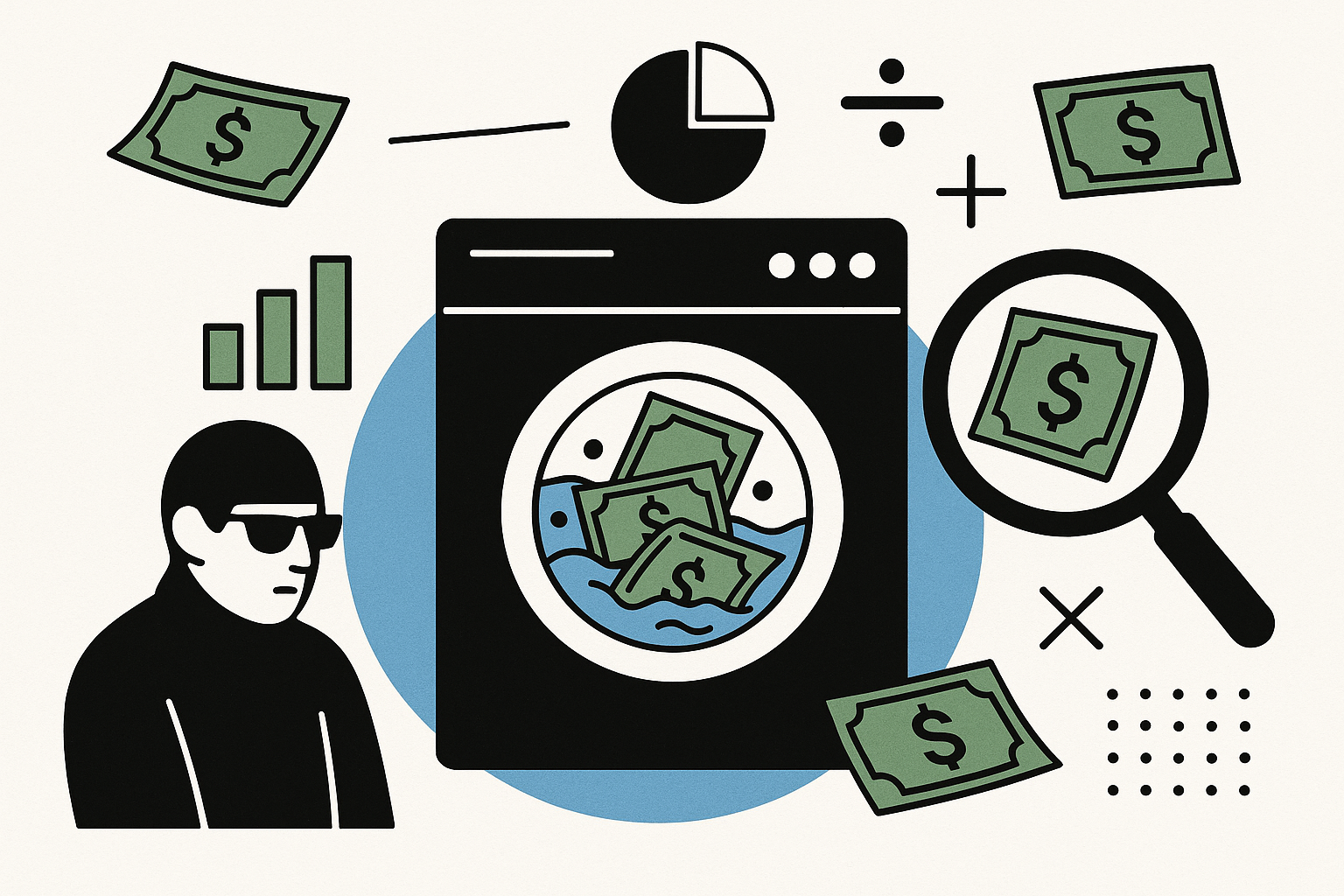
Real-world money management skills also help prevent fraud. Understanding savings, budgeting, and digital payment systems enables individuals to better manage their wealth and spot suspicious behavior. Scams can be as simple as a deceptive phone call or as complex as wire, commodities, or securities fraud, as seen in the case of Sam Bankman-Fried, a former cryptocurrency exchange executive. He was indicted on several types of fraud, all involving creative schemes to mislead others for financial advantage. These cases often unravel because discrepancies in transaction records are ultimately revealed by forensic accountants or investigators using mathematical analysis.
Educational institutions have a special role in fraud prevention. Teaching young people about the risks and realities of fraud—such as how to safely use ATMs, protect passwords, or verify bank transactions—can dramatically reduce their vulnerability. Mathematical literacy is more than learning formulas; it includes real-world applications like checking for errors on bills, calculating interest rates, or detecting improbable patterns, as sometimes happens in exam result scandals.
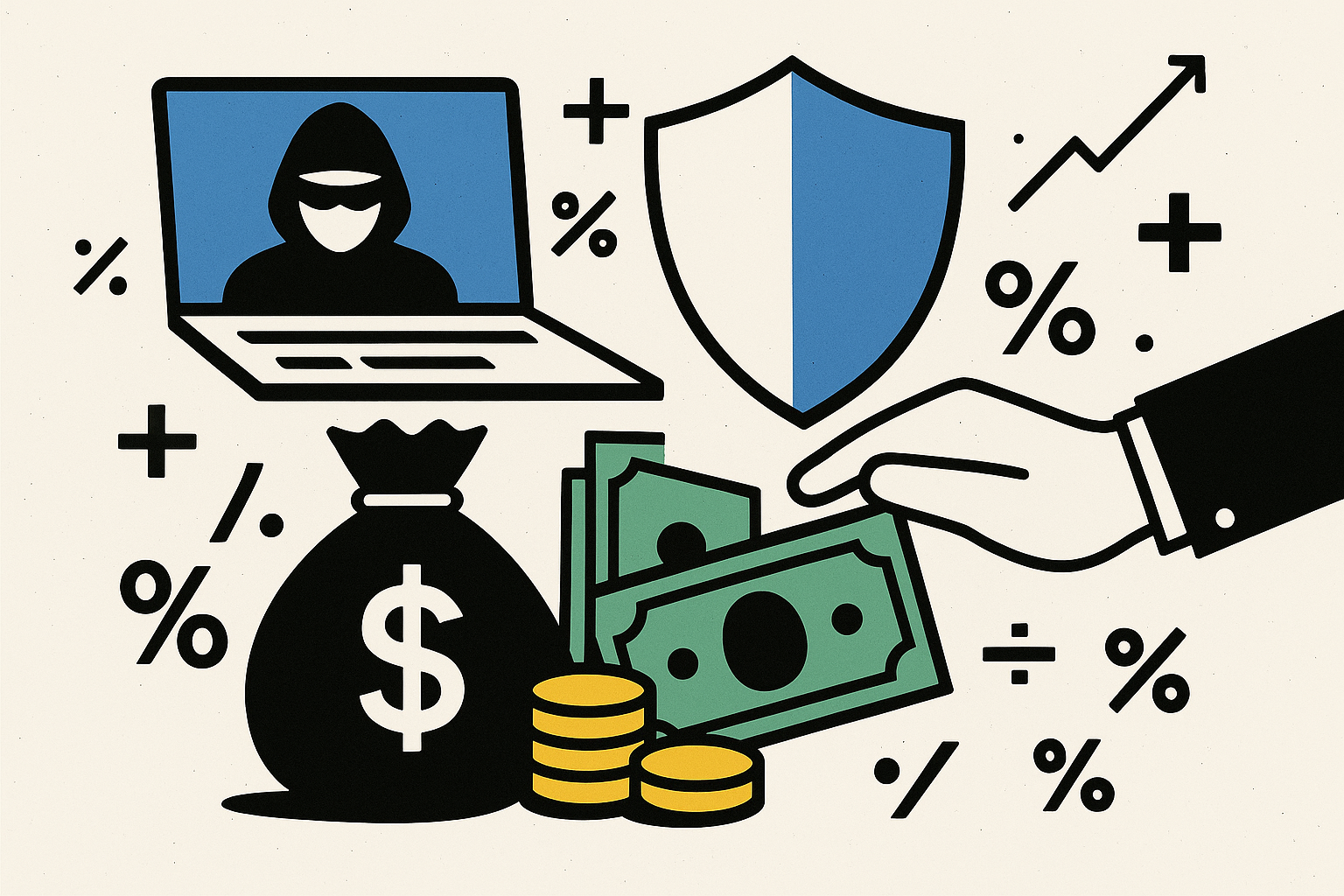
Individuals should also remain vigilant about digital security, a growing source of fraud risk. Simple actions can prevent serious losses: creating strong passwords, never sharing sensitive information over the phone or by email, and always double-checking payment requests. Together, these habits create a first line of defense against cyber-crime. In high-profile cases like that of Joe Sullivan, a cybersecurity expert, robust digital security measures proved essential in safeguarding data and preventing unauthorized access.
In summary, preventing fraud is a shared responsibility. The ability to apply mathematical reasoning, understand financial principles, and use digital tools wisely gives everyone a practical way to protect themselves and their communities. As new anti-fraud laws are passed and technology evolves, the clear connection between education—especially mathematics—and fraud prevention will only grow stronger.