Algorithmic Trading: The Mathematics Behind Modern Markets
Algorithmic trading, once the exclusive domain of expert mathematicians and computer scientists, now plays a central role in global finance. This article explains what algorithmic trading is, how it works, and why mathematics and quick computation are fundamental to its success. Along the way, real-world examples and practical connections to money are uncovered for anyone curious about technology's role in shaping modern markets.
Algorithmic trading, sometimes called 'algo trading,' involves using computer programs to execute financial trades based on a set of instructions generated by algorithms. These instructions decide when, what, and how much to buy or sell in financial markets, from stocks and currencies to commodities and cryptocurrencies. Unlike human traders who manually input orders, algorithmic systems operate at speeds and scales far beyond human capability.
In practical terms, an algorithm is simply a set of step-by-step instructions to solve a problem or make a decision. In the context of trading, these steps might analyze market data, identify trends, or react to sudden changes in prices. For instance, if a stock's price rises by a certain percentage in a specific time frame, the algorithm might automatically sell part of a portfolio to lock in gains.
One of the major advantages of algorithmic trading is its consistency. Algorithms can follow complex strategies without emotion, which can help avoid the pitfalls of panic selling or irrational exuberance. Human error, bias, or fatigue are minimized, as computers relentlessly follow mathematical models.
Mathematics is at the heart of this process. Strategies might rely on statistical analysis, probability theory, or more advanced concepts such as machine learning. For example, Jim Simons, a mathematician and founder of a groundbreaking trading firm, famously applied mathematical models to identify patterns in market data, achieving consistent success. Similarly, Alex Gerko’s company, XTX Markets, uses sophisticated algorithms to find price differences across various markets, executing thousands of trades each second.
But how does this relate to real money? Imagine a situation where two financial markets list the same asset (like gold) at slightly different prices. An algorithm can instantly buy from the cheaper market and sell in the more expensive one, making a profit from the price gap—a process known as 'arbitrage.' These opportunities often last just fractions of a second and require fast computation and mathematics to spot and exploit.
Algorithmic trading also makes use of concepts like volatility, which is the measure of how much the price of something changes over time. Algorithms can be designed to profit from high volatility by buying when prices dip and selling when they spike, or vice versa. This approach was used by traders like Haim Bodek, who built systems to take advantage of rapid market movements. However, when market conditions change or algorithms are not properly calibrated, losses can also occur.
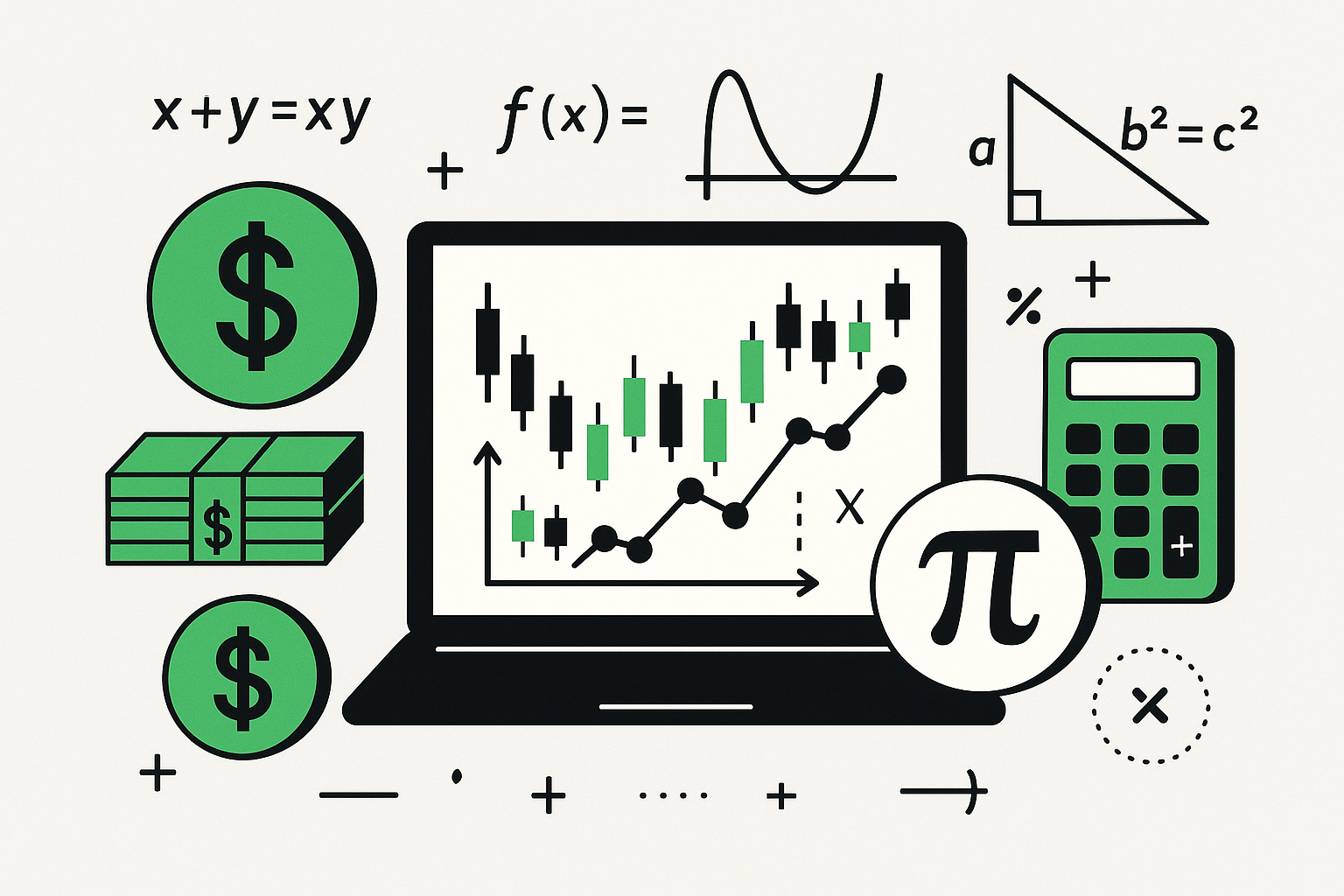
Highly mathematical methods such as data analysis, regression, and even artificial intelligence come into play. For example, algorithm designers may test their systems using years of historical price data—a process called 'backtesting.' The algorithm asks questions like, 'If I had traded this way in the past, would I have made money?' If results are promising, the strategy might be used with real money.
Algorithmic trading isn’t only for global banks and hedge funds. In recent years, technology has enabled individual investors to access algorithm-based platforms and trading bots. Some popular online brokers even let users design their own simple trading rules without advanced programming skills.
The rise of algorithmic trading has transformed markets, making transactions faster and often more efficient. However, it also raises questions about fairness and transparency in finance, as not everyone has equal access to the fastest technology. Governments and regulatory bodies are increasingly examining the impacts of 'government by algorithm' or 'algorithmic regulation'—ensuring that computerized trading does not create unfair advantages or market instability.
In summary, algorithmic trading ties together the worlds of technology, mathematics, and money. For those eager to learn, it’s a field that demonstrates the power of practical mathematics and the evolving role of computers in shaping the financial system that affects us all.