Ancient Accounting: The Roots of Money, Mathematics, and Modern Finance
Long before calculators or spreadsheets, ancient accountants played a vital role in the daily lives of early civilizations. From Mesopotamia to ancient Egypt and Rome, the practice of accounting laid the foundation for the ways we manage money and do math today. This article explores how ancient record-keepers helped shape our modern understanding of number systems, trade, and the value of transparency in economic life.
When we think of accounting, we often picture modern offices filled with computers, spreadsheets, and stacks of paperwork. However, the story of accounting begins thousands of years ago, in the bustling cities and fertile valleys of ancient civilizations. These early record-keepers helped people answer foundational questions: How much grain is stored for winter? What taxes have been paid? Who owes what to whom? By exploring the history of ancient accounting, we can appreciate the practical roots of today’s financial systems—and see how money and mathematics have always gone hand in hand.
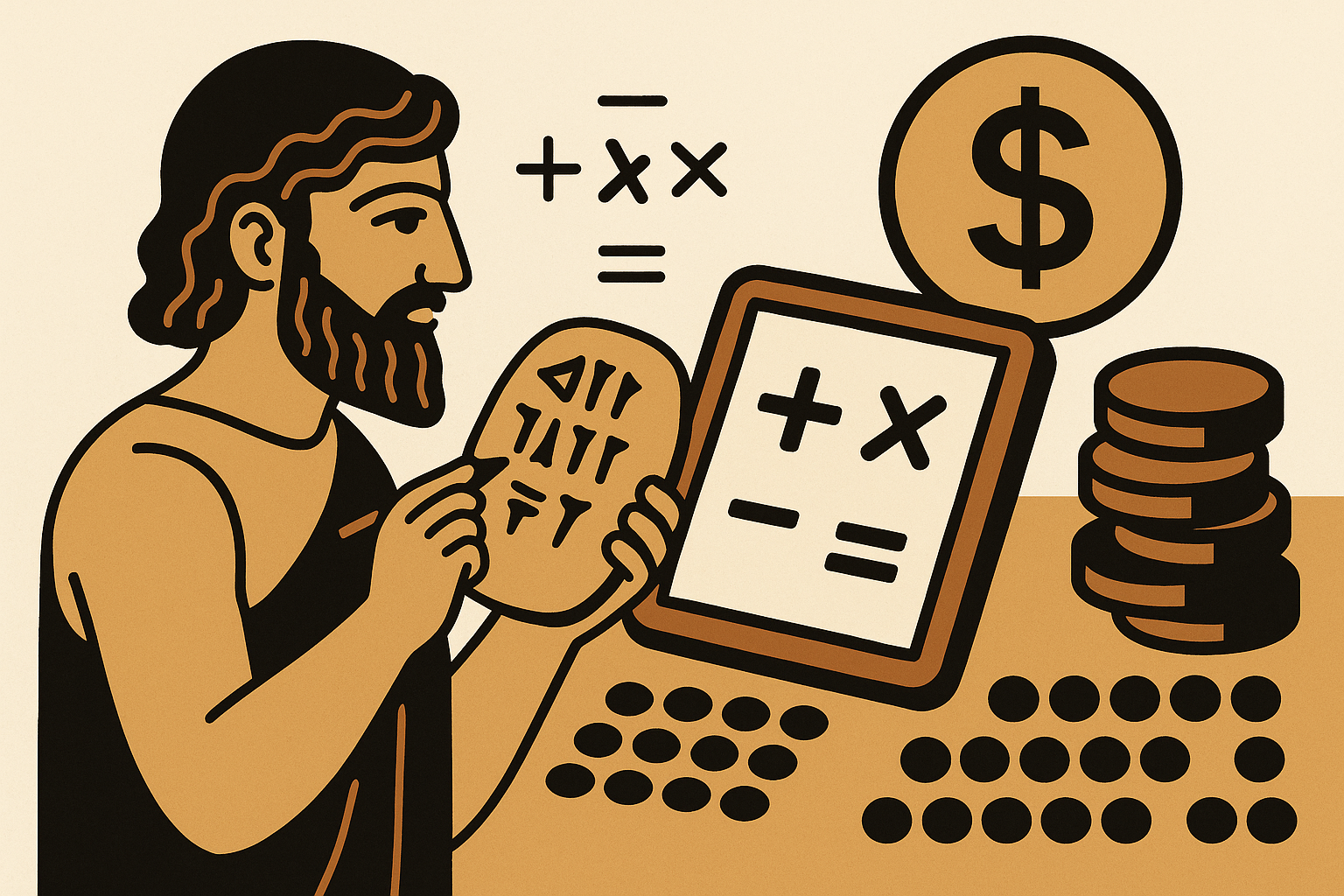
Ancient accounting emerged out of necessity. In Mesopotamia, one of the world’s earliest civilizations, people needed to keep track of their agricultural harvests, trade exchanges, and temple offerings. The invention of writing itself, using clay tablets and cuneiform script, was closely linked to the need to record economic transactions. These records contained simple lists and tallies: numbers of sheep, baskets of grain, or jars of oil being exchanged or stored.
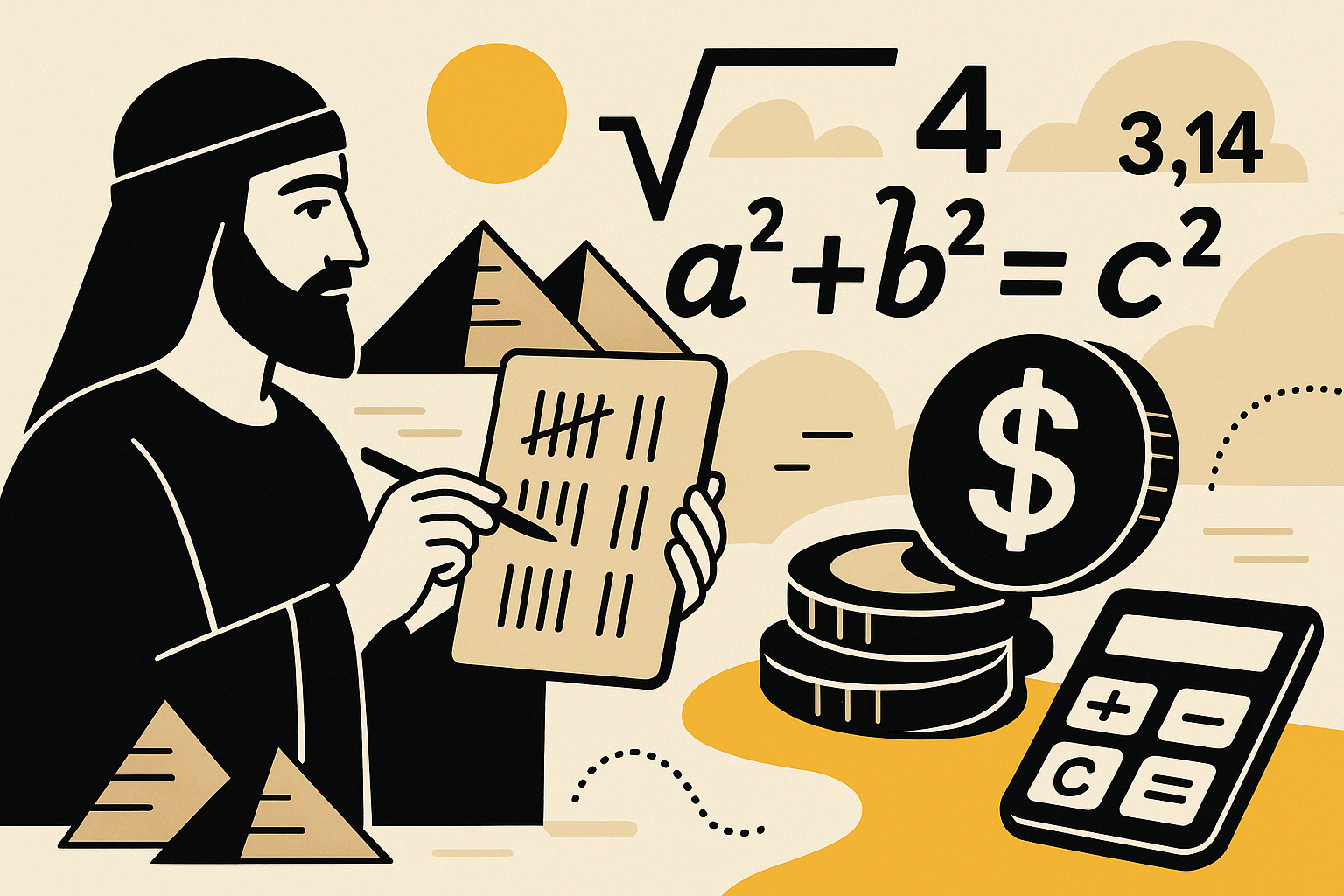
Egyptians also relied on accounting for their massive building projects, such as the pyramids, and their irrigation-based agriculture. Scribes were trained to count, measure, and keep records—skills considered prestigious and fundamental for running both royal and temple economies. Likewise, in ancient Rome, the practice of ‘rationes’ (accounts) and the use of metal coins required careful bookkeeping to manage personal wealth, taxes, military spending, and trade across the empire.
A core concept in both ancient and modern accounting is the 'unit of account.' This term refers to an agreed-upon standard for measuring value, such as shekels, drachmas, or denarii in the ancient world. By assigning a value to goods and services, people could compare, trade, and store wealth more efficiently. This idea remains central today, as national currencies and accounting systems still depend on a standardized monetary unit.
Accounting is deeply connected to mathematics. The process of tallying items, adding totals, and balancing accounts all involve basic math. Ancient accounting records are some of humanity's earliest uses of arithmetic and measurement. For students and lifelong learners, this history shows that math is not just abstract: it arises from everyday needs—managing money, budgeting resources, and planning for the future.
Practical lessons from ancient accounting remain relevant. Even today, businesses and households need to keep clear records, measure income and expenses, and plan for financial stability. By following these ancient practices—careful note-taking, clarity in value, and basic math skills—anyone can improve their personal or professional money management.
In summary, accounting’s ancient origins demonstrate how vital record-keeping is to civilization. The systems developed thousands of years ago allowed for fair trade, government organization, and economic progress. Modern accounting builds on these foundations, bringing the same principles—accuracy, transparency, and mathematical thinking—into the digital age. Understanding the history of accounting is not just about the past; it’s about appreciating the everyday tools that make our economic lives possible.