Financial Literacy: Essential Skills for Everyday Life
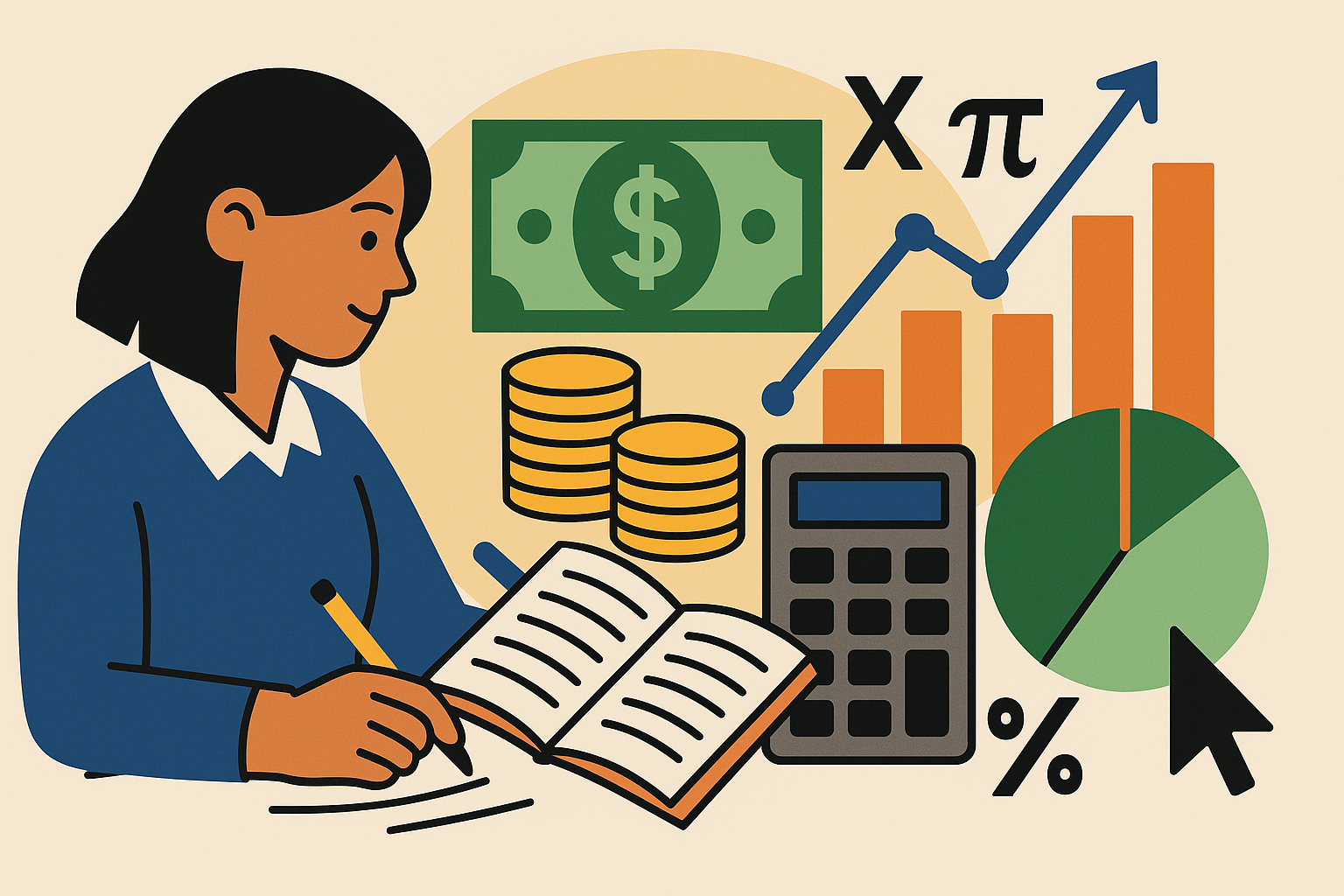
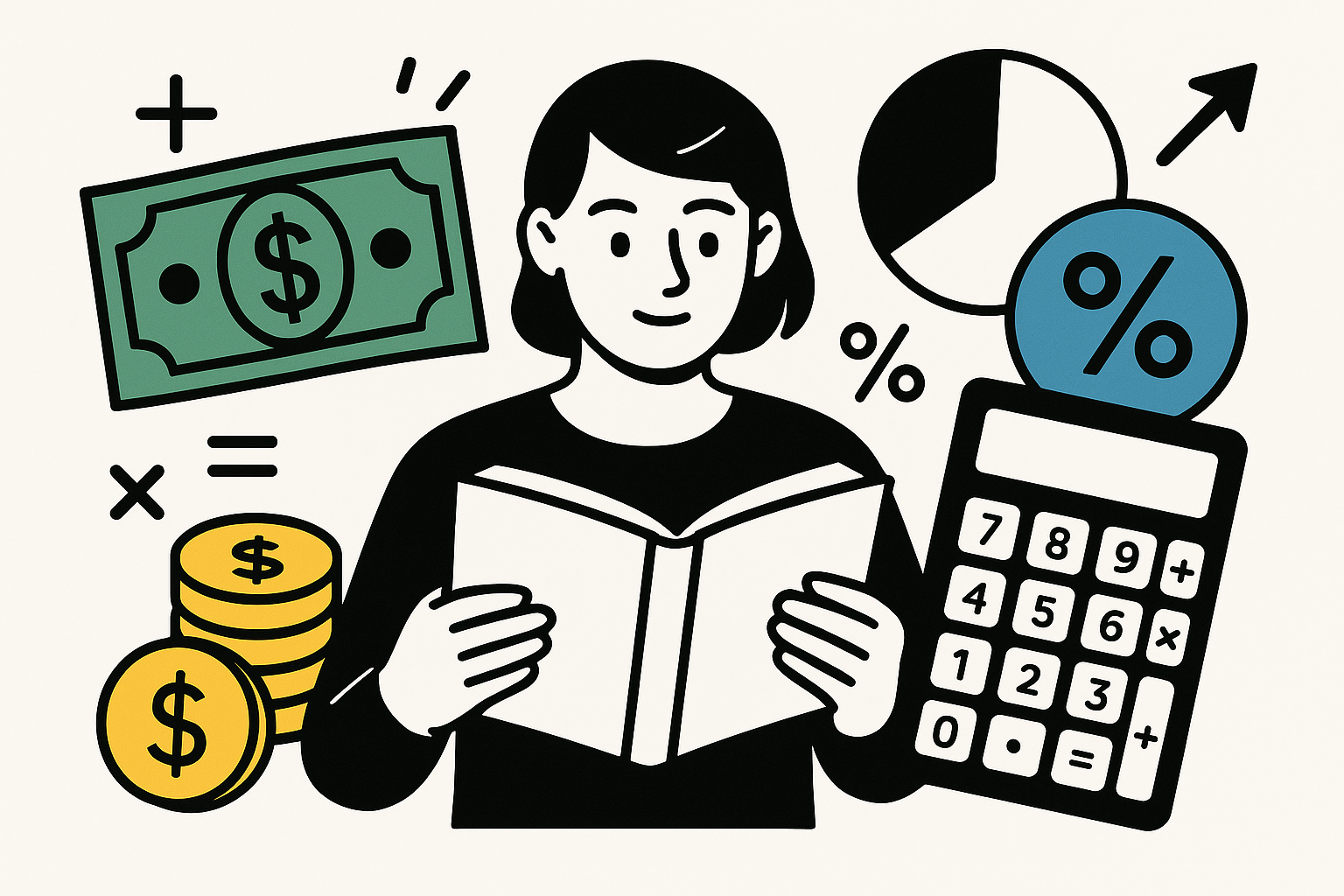
Financial literacy empowers individuals to make informed decisions about their money, blending practical knowledge with core mathematics skills. In today's complex economy, understanding how to manage personal finances is vital—both for adults and students. Real-world examples and clear explanations can help demystify concepts like budgeting, saving, and borrowing.
Financial literacy is more than just the ability to read numbers on a bank statement. It is the practical skill set and knowledge needed to make sound decisions about earning, spending, saving, and investing money. In an increasingly interconnected and fast-moving world, financial literacy equips individuals of all ages with the confidence and wisdom to navigate day-to-day financial challenges and long-term planning.
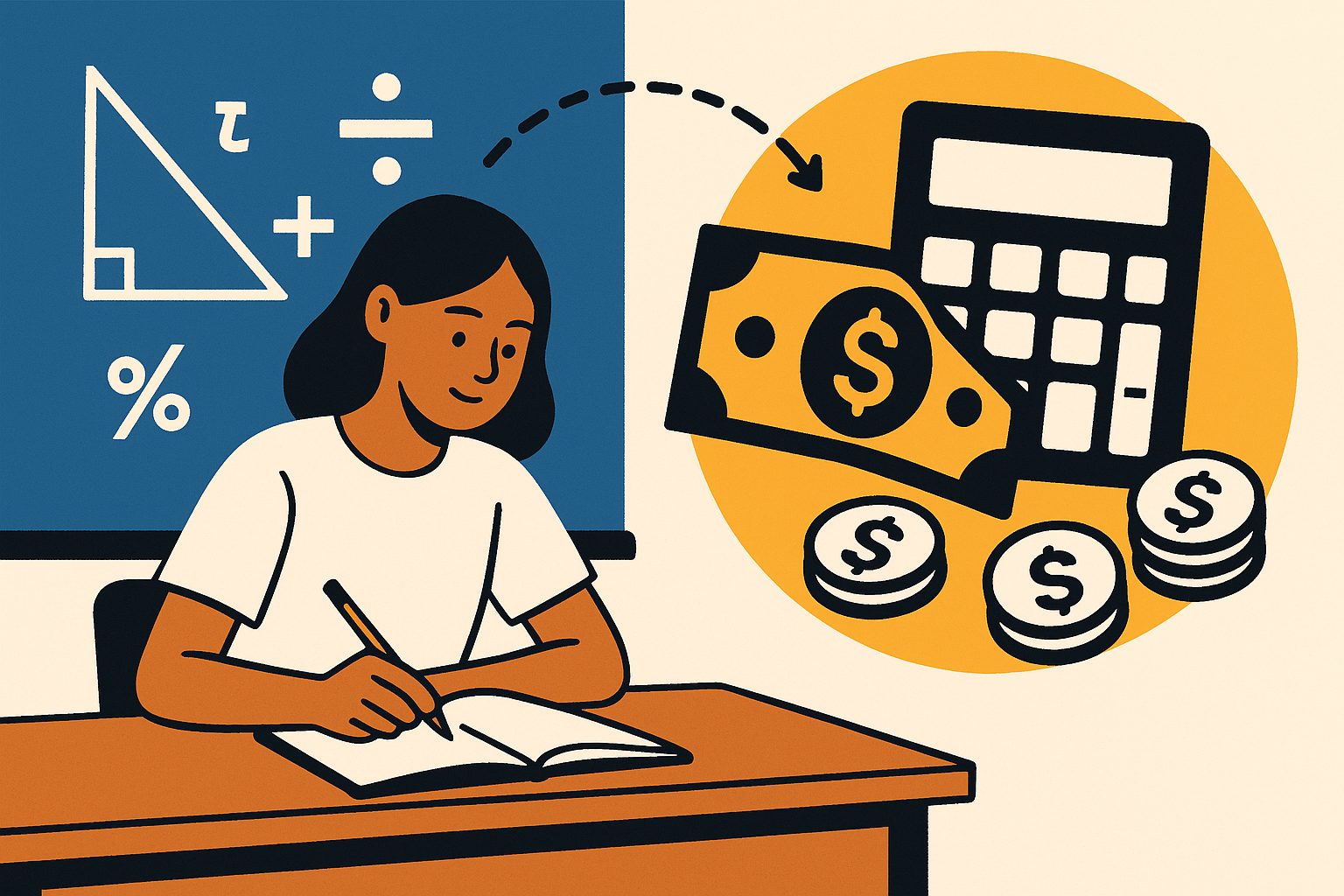
The foundation of financial literacy lies in understanding how money works—how to create a budget, balance income and expenses, use credit wisely, and plan for both expected and unexpected costs. This practical knowledge is closely tied to basic mathematics skills taught in schools, such as arithmetic, percentages, and ratios. For example, calculating the interest on a credit card balance or understanding loan repayment terms are math applications that appear frequently in real life.
Across the United States, education on these topics varies widely. While some states have made strides in introducing financial concepts into school curricula, others still leave it largely to families or independent organizations. For instance, Florida has made financial literacy a graduation requirement for high school students, meaning young people learn about topics such as saving, investing, and managing debt before entering adulthood. These lessons use practical math skills: students might analyze how small weekly savings can grow over time using compound interest formulas, or compare the total cost of car loans with different interest rates.
Financial literacy also fosters important attitudes and behaviors. Those who study personal finance often become more cautious about taking on unnecessary debt, more diligent with tracking their spending, and more proactive in building up emergency savings. At its core, financial literacy is not merely about numbers; it’s also about developing the right habits and a responsible attitude towards money.
Real-world applications make these lessons meaningful. For example, when students create a mock budget simulating rent, groceries, and transportation expenses, they see how quickly small costs can add up. Mathematics education provides the analytical skills needed to solve these budgeting puzzles. In addition, problem-solving exercises might include comparing mobile phone plans or calculating how much interest would accrue on a student loan over several years.
Such activities not only teach students about financial concepts, but also help them develop critical thinking skills. They learn to evaluate choices, anticipate future needs, and make informed decisions. These are the same analytical skills that can translate into other life areas, such as career planning or major purchases.
Adults, too, benefit from boosting their financial literacy. Many community organizations, libraries, and banks offer workshops on topics such as saving for retirement, understanding insurance, or avoiding scams. These programs reinforce that financial literacy is a lifelong journey—not something learned once and then forgotten.
Ultimately, financial literacy is about empowerment. When individuals understand how their money works and can use mathematics to make better financial choices, they are better positioned for security and success. Integrating these skills into education—and revisiting them throughout life—prepares everyone to handle financial challenges with confidence.