Statistics in Class 10: Building Math Skills for Real-World Decisions
Statistics taught in class 10 acts as a bridge between classroom mathematics and real-life applications, especially in areas involving money and informed decision-making. This article explores the basics of statistics in class 10, emphasizing practical approaches, clear explanations, and real-world connections that empower students.
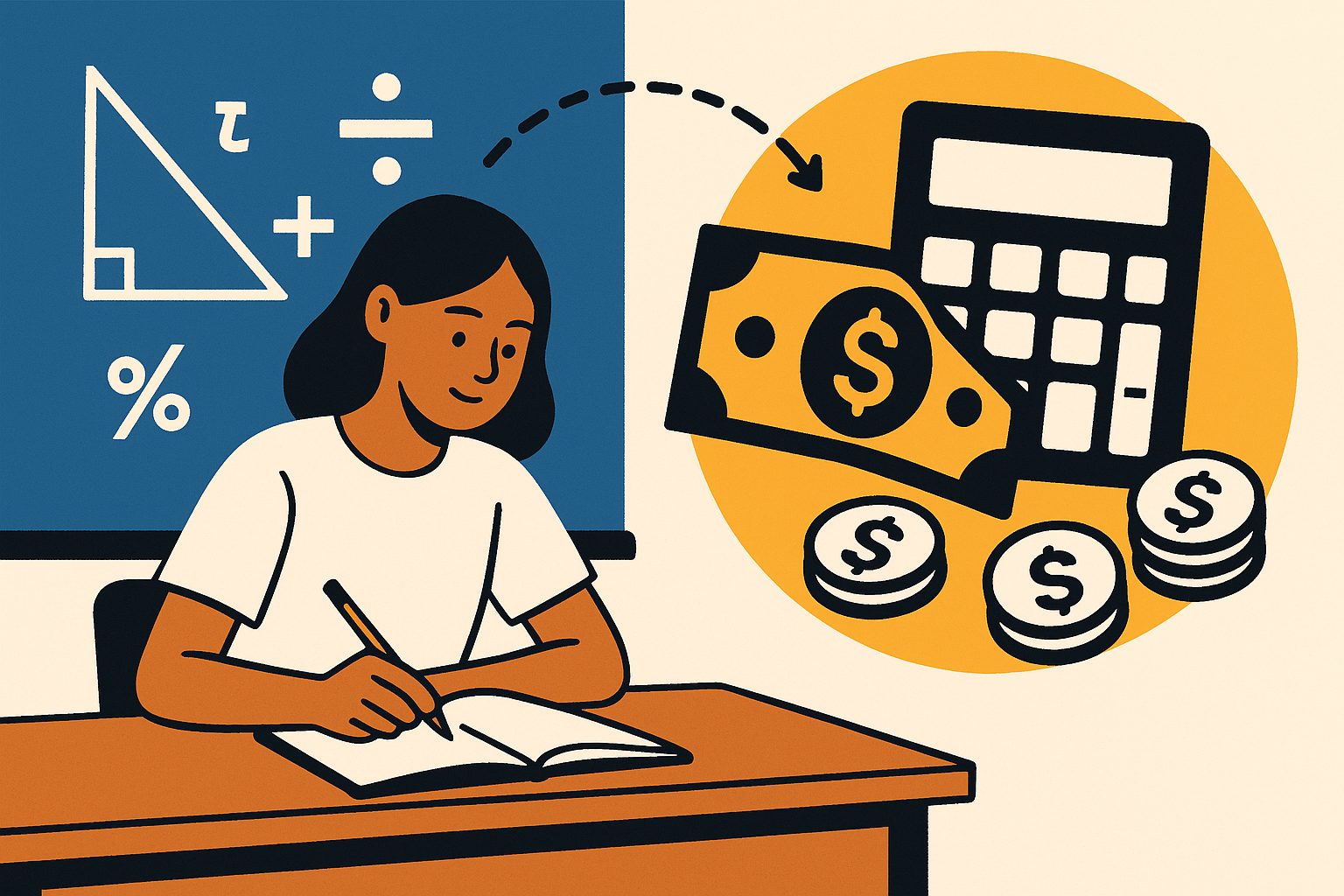
Mathematics education is designed not just to train students in abstract calculations but also to prepare them for solving everyday problems. In class 10, statistics becomes an essential part of the curriculum, providing foundational skills that connect mathematical concepts directly to the world around us. Mastering statistics is crucial for understanding how information is collected, interpreted, and used in real life—from analyzing grades to making financial decisions.
Statistics in class 10 usually introduces students to fundamental topics such as the collection and organization of data, calculation of mean, median, and mode (measures of central tendency), and the representation of data through graphs and charts. These concepts are not only important for exams, but also play a vital role in understanding news reports, scientific studies, and everyday scenarios like budgeting or tracking expenses.
One key principle in teaching statistics is to use practical, relatable examples. For instance, students might be asked to gather data on their classmates' daily expenditures or the number of hours spent on homework. Once collected, the data can be organized in a frequency table and analyzed using measures of central tendency. This transforms statistics from a theoretical subject into an engaging activity that demonstrates its usefulness in everyday life.
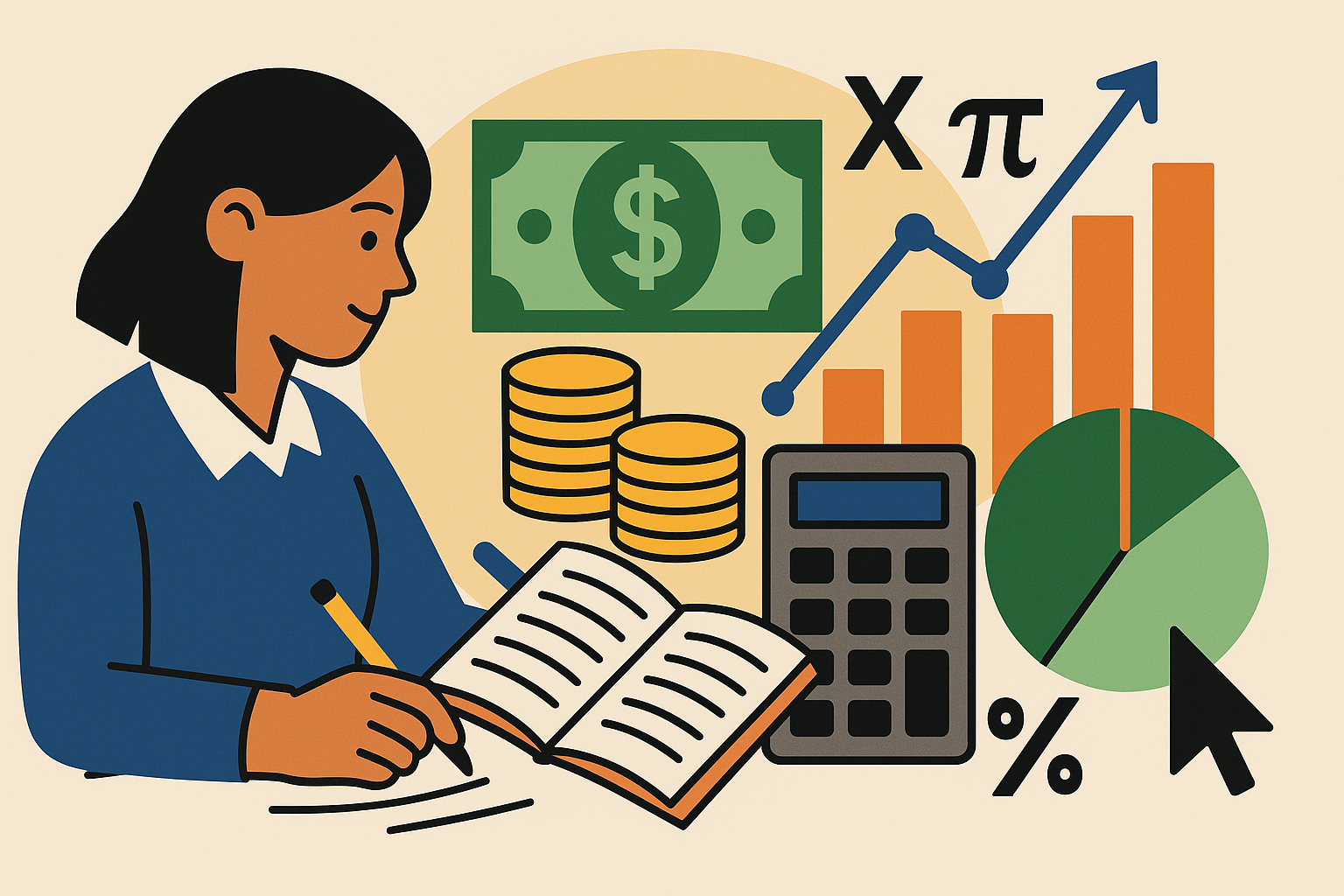
Money and mathematics are naturally intertwined, and statistics brings this relationship to life. Imagine a student tasked with creating a monthly budget. By tracking expenses over several weeks and calculating the mean (average) amount spent in different categories like food, transport, or entertainment, students can identify patterns and make informed decisions. Understanding the median expense can help them see what a 'typical' week looks like, especially if their spending varies.
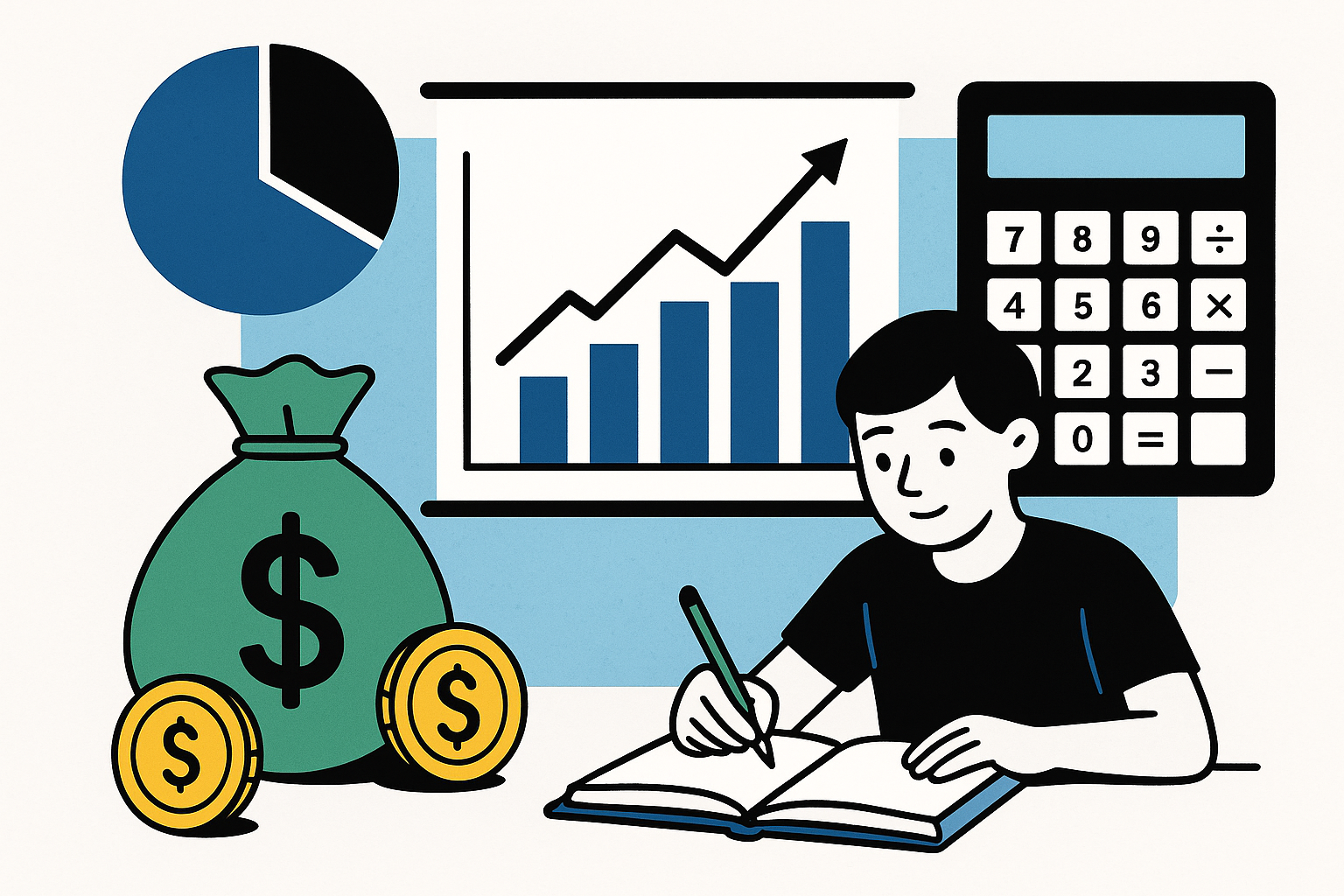
Graphs and charts are also useful tools that make statistical data more digestible. Drawing a bar graph of weekly savings over a two-month period, for example, makes it easy to spot trends and adjust habits. Similarly, pie charts can effectively show the proportion of a budget spent on different needs. Learning to interpret and create these visual representations is a practical skill, helping students in later personal finance, business studies, or even interpreting statistics in the news.
Mathematics educators stress that learning statistics in class 10 also fosters critical thinking. It encourages students to question how data is presented and to be cautious about drawing quick conclusions. For example, if a company advertises that the 'average' salary is high, is it using the mean, median, or mode? Each measure can paint a different picture, and class 10 statistics teaches students to understand these nuances.
Beyond school, statistical literacy is increasingly important in the digital age. From social media trends to economic developments, society is awash in data. The skills gained in class 10 statistics lessons—collecting credible data, making careful calculations, and interpreting visual information—equip students to navigate this information-rich environment with confidence.
In summary, statistics in class 10 offers far more than just mathematical practice. It is a powerful tool for understanding the world, managing money, and making wise decisions. With a focus on practical learning, students can grasp how statistical thinking shapes everything from their daily choices to broader societal issues.