Stay Safe Online: Understanding and Avoiding Modern Cyber Scams
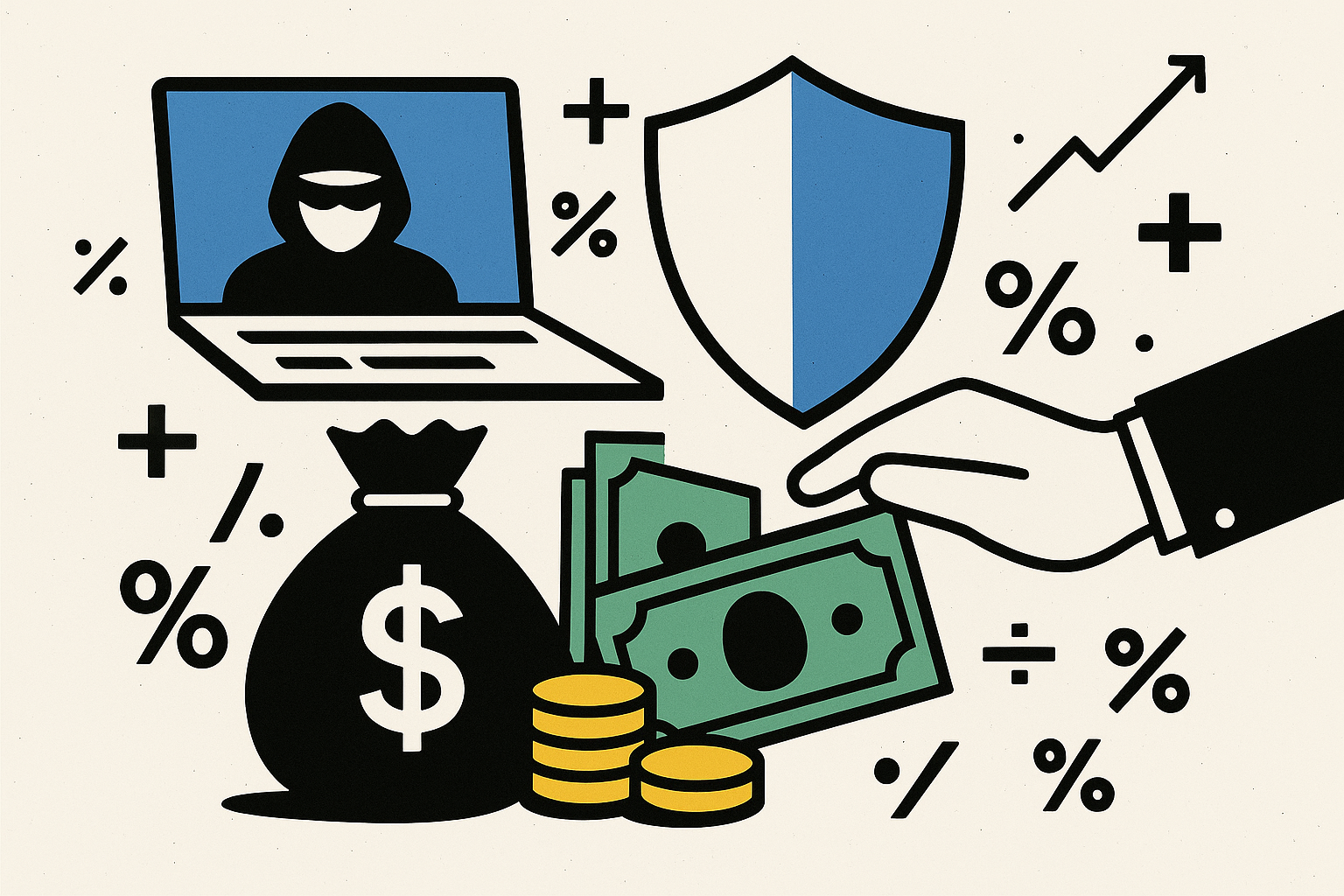
Cyber scams are increasingly common in our daily lives, targeting individuals and businesses through deceptive tricks online. This article will help you learn how cyber scams work, their real-world money and mathematics connections, and practical steps anyone can take to protect themselves.
In the era of the internet, where technology touches nearly every part of our lives, cyber scams have become a sophisticated threat. These scams use online deception to steal money, data, and even identities. From individual email users to large businesses, anyone connected to the internet can become a target. Understanding how these scams work — and how to spot them — is a crucial skill for digital life.
What exactly is a cyber scam? A cyber scam is a term for any fraudulent activity online. It can include phishing emails (which trick you into sharing personal information), fraudulent online stores, fake technical support pop-ups, and business email compromise (BEC) attacks. In one high-profile case, the Milwaukee Bucks NBA team was targeted by a cyber scam in 2016, showing that even well-known organizations with expert staff aren't immune.
The financial consequences of cyber scams are significant. According to publicly reported estimates, scams involving business email compromise and similar tactics have cost U.S. businesses more than $2 billion in about two years. For everyday people, a single scam email might trick someone into entering their bank password or credit card number, sometimes resulting in stolen funds within minutes. Learning about these scams is not just about computer science — it's practical mathematics and money management in action.
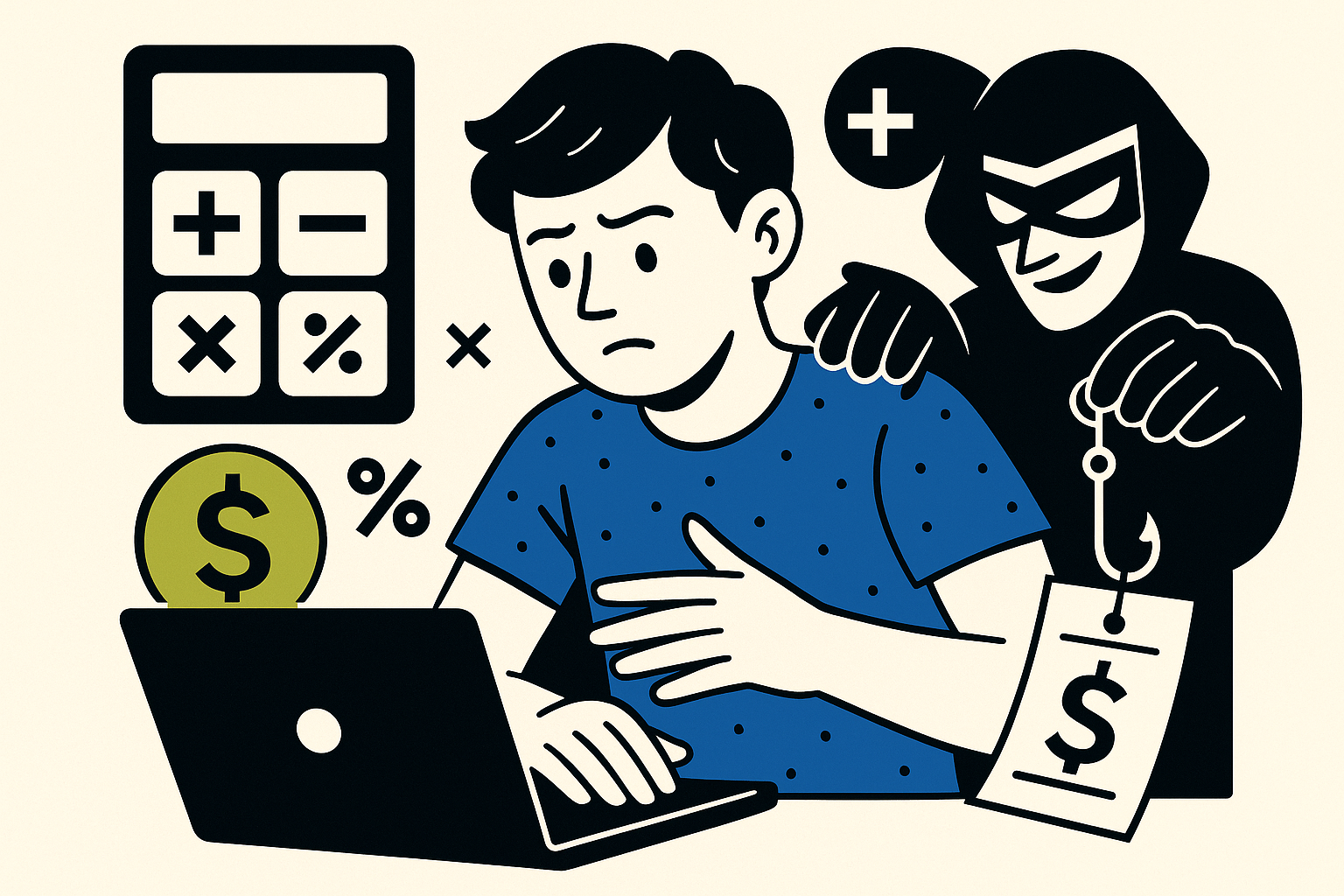
To understand how these scams target victims, let’s look at some simple numbers. Imagine you receive an email that appears to be from your bank. It asks you to click a link and update your password. If just 1 out of every 1,000 people falls for this scam and the scammers send the email to 1 million people, that’s 1,000 potential victims. If each victim loses $500, the scam collectively could steal $500,000 in one wave of emails. Mathematics helps us appreciate the scale and impact of cyber scams.
Cybersecurity experts, such as those at the National Cyber Security Alliance, stress that education is key to prevention. Simple habits can dramatically reduce your risk: Don’t click suspicious links, check senders’ email addresses carefully, and never provide sensitive information in response to unexpected requests. Use strong, unique passwords for every service; this way, if one account is compromised, the rest remain safe.
It’s also important to recognize how cyber scams evolve with advancing technology. As we enter the Fourth Industrial Revolution, combining advanced hardware, software, and constant connectivity, scammers are also becoming more inventive. They might use artificial intelligence to create more convincing messages or steal information from social media to build believable fake identities.
Schools and universities increasingly include computer security and mathematical reasoning in their curriculums to prepare students for these threats. Understanding patterns, probabilities, and logical reasoning are mathematical tools that not only help students solve classroom problems but also identify online risks in the real world.
If you think you have been targeted by a cyber scam, take action immediately: Stop communication with the scammer, report the incident to your bank or the relevant authorities, and change your passwords. Being alert and educated is your best defense.
In short, cyber scams are a growing crime category, but with practical learning and vigilance, everyone can protect themselves. Treat every unexpected digital message with skepticism, understand the math behind the numbers, and stay informed — your data and money are worth it.