Financial Literacy: Equipping Students for Real-World Money Challenges
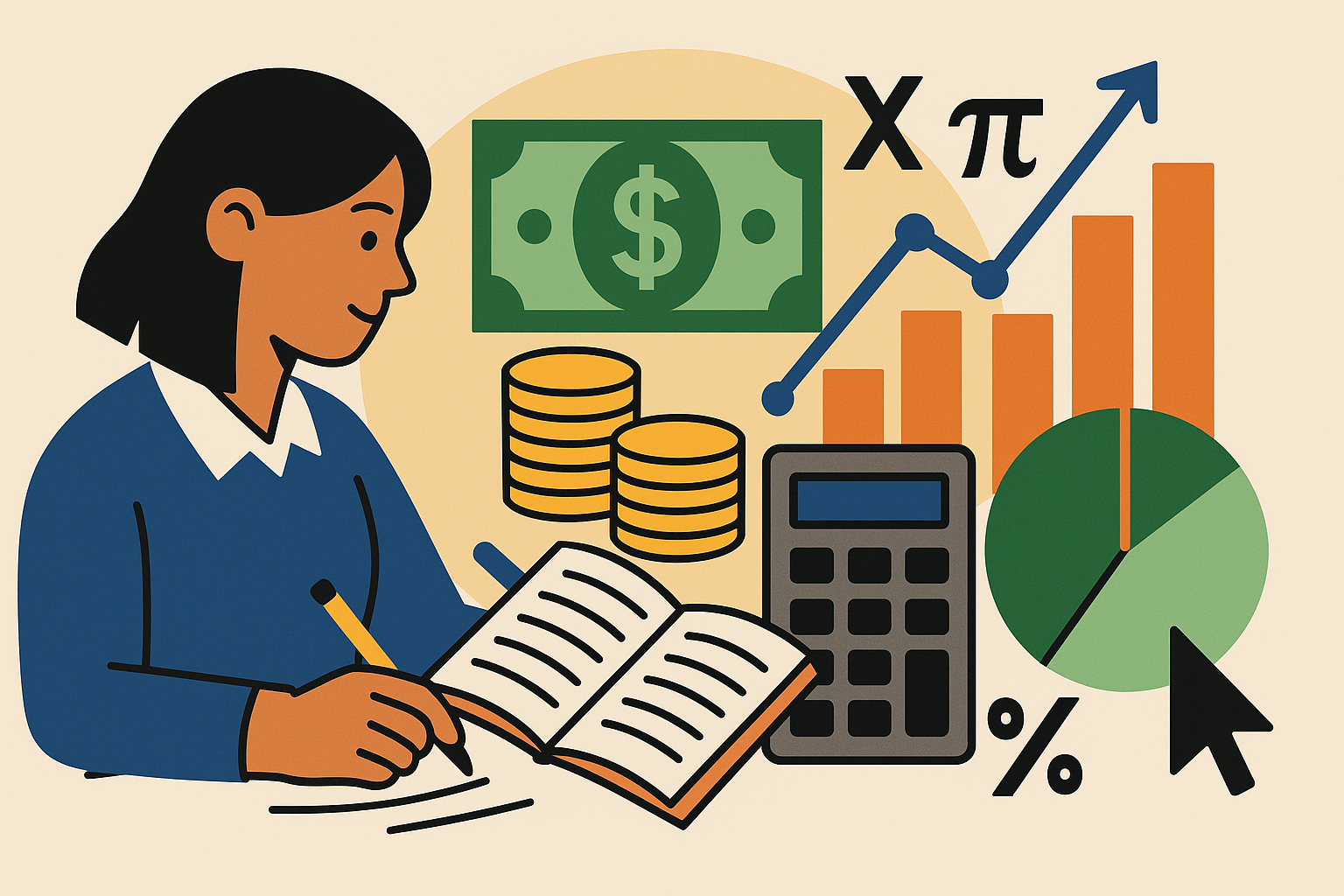
Financial literacy is an essential skill set in today’s complex world, empowering individuals to make informed decisions about spending, saving, investing, and managing debt. In education, financial literacy ties together mathematics, critical thinking, and practical life application. This article explores what financial literacy means, how it connects to mathematics, and why practical learning makes all the difference for students and adults alike.
In an era of complex financial products and ever-changing economic landscapes, financial literacy has emerged as a crucial life skill. At its core, financial literacy means having the skills, knowledge, and behaviors necessary to make wise choices about money. This includes understanding how to budget, save, invest, and avoid or manage debt. But for many people, translating abstract mathematical concepts into everyday financial decisions can be a challenge.
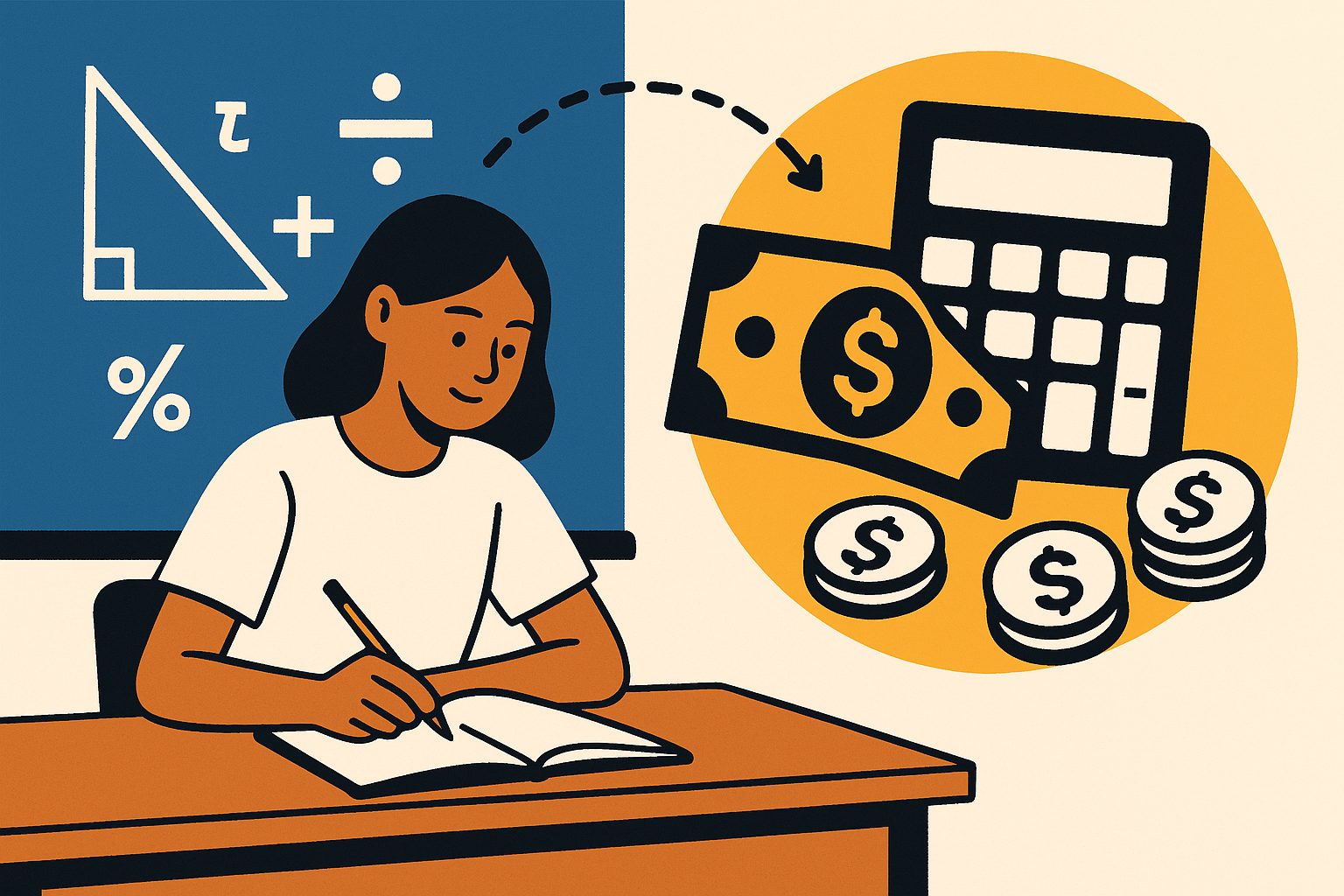
Financial literacy is often associated with mathematics, yet they are not quite the same. While mathematics equips learners with the ability to perform calculations—such as finding percentages or understanding interest rates—financial literacy homes in on applying those skills to real-world scenarios. For instance, knowing how to calculate interest is mathematical, but deciding whether to use a credit card or take out a loan involves financial literacy. It’s about connecting abstract numbers to personal goals and responsibilities.
In the United States, concerns about financial literacy have prompted several states to implement financial education into school curricula. According to the Florida Department of Education, students in the state are required to complete coursework on managing money as a part of their high school education. This trend reflects growing recognition that understanding money isn’t just for adults; young people benefit immensely from starting early. When integrated thoughtfully, financial education can make math more meaningful by giving students reasons to care about calculation and problem-solving.
Practical learning sits at the heart of effective financial literacy instruction. Rather than memorizing formulas for simple or compound interest, students benefit far more from working through scenarios they might experience as adults. For example, a classroom activity might ask students to plan a simple monthly budget with a given income—deciding how much to allocate to essentials such as rent, food, transportation, and savings. By tracking where their money would go, students begin to see how quickly costs can add up and why setting aside money beforehand is vital.
Another accessible activity involves comparing the total repayment costs for different loans. Students can learn to calculate the total interest paid on a car loan versus a credit card balance, practicing mathematics while appreciating the impact of borrowing decisions. Such exercises highlight the hidden costs of debt and teach the importance of shopping around for the lowest rate.
The wider implications of financial literacy go beyond personal banking. It fosters independence, confidence, and a problem-solving mindset. Students who can critically evaluate advertisements for payday loans or 'buy now, pay later' deals are less likely to fall victim to predatory practices. Moreover, financial literacy education can spark interest in entrepreneurship, encourage responsible investing, and even reduce stress related to money management later in life.
Across countries and education systems, there is increasing recognition that financial literacy is an integral part of a well-rounded education. The National Center for Education Statistics in the U.S. has highlighted the importance of merging mathematics with practical problem-solving skills. By weaving real-world financial tasks into mathematics classes, schools can make the subject more engaging while preparing students for essential adult responsibilities.
In conclusion, empowering students with financial literacy is more than teaching them to manage dollars and cents. It means equipping them with the confidence and know-how to make choices that support their long-term financial health. As education systems continue to evolve, infusing mathematics curricula with practical, real-life money lessons is one of the best investments educators and policymakers can make in the next generation.