Making Math Count: Connecting Numbers to Real Life and Money
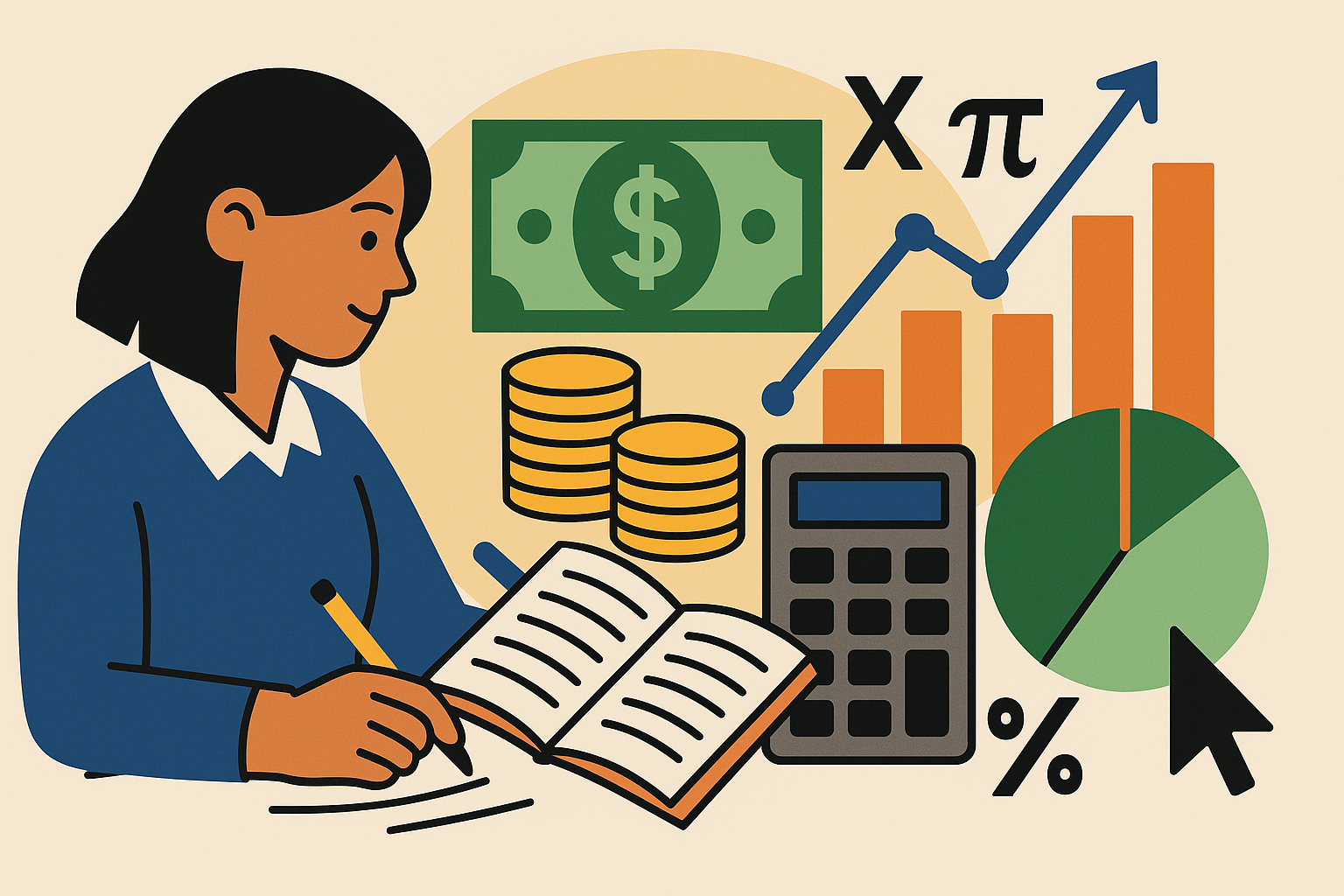
Mathematics education is more than memorizing formulas—it's about practical thinking and problem-solving. By linking classroom math to everyday money matters and clear, hands-on examples, students can build stronger understanding and lasting confidence in their abilities.
Mathematics has long been seen as one of the core pillars of education around the world. From early counting games in preschool to advanced algebra in high school, societies recognize the power of numbers. But for many students, math feels distant and abstract—a subject of memorized equations rather than a useful tool for daily life. Recent educational approaches increasingly focus on connecting math concepts to real-world applications, especially those involving money, to make learning more meaningful and memorable.
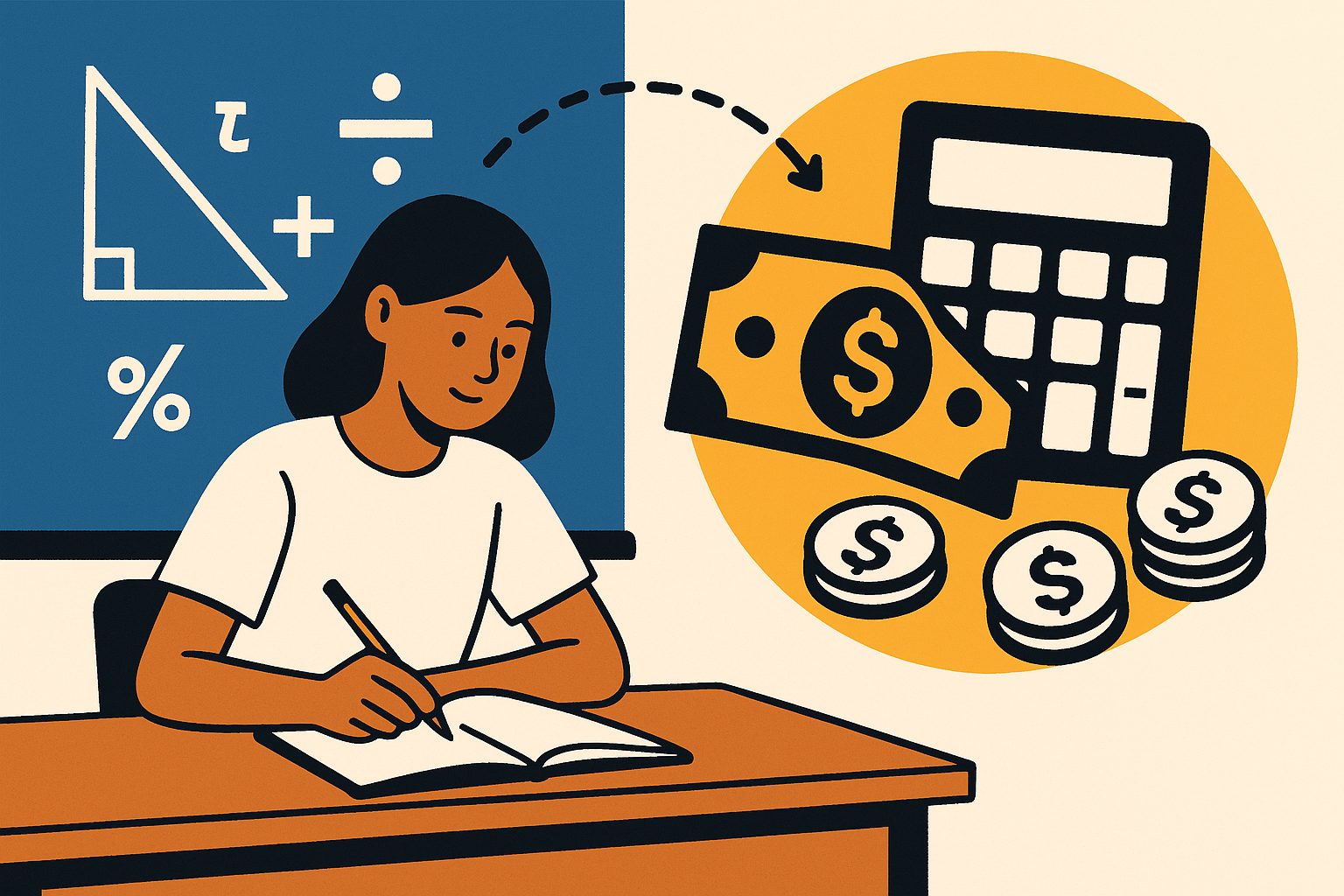
Why does math matter in the real world? Consider everyday activities that require math: budgeting an allowance, comparing prices at the grocery store, figuring out sales tax or tips, or splitting a restaurant bill. These examples show how numbers play a role in financial decisions, big and small. When students see how math is used in situations that affect them and their families, their motivation to learn often increases.
One effective way to teach math is through practical, hands-on learning. For example, in some classrooms, students create mock businesses where they earn 'classroom dollars' for completing assignments or good behavior, then spend those dollars on rewards or privileges. These exercises require skills like addition, subtraction, multiplication, and budgeting—in a setting that feels relevant and engaging. This mirrors methods used in the renowned Singapore math approach, emphasizing problem-solving with visual aids and real-world scenarios.
Money is an especially powerful way to make math relevant. Many students are naturally interested in understanding how to save, spend, and share money. Teachers can use activities such as planning a grocery shopping trip on a budget: students must calculate the total cost, compare item prices, and even estimate discounts during a sale. These exercises incorporate arithmetic, estimation, and reasoning skills while building financial literacy—a crucial ability for adulthood.
Clear explanations—and opportunities to ask questions—are essential. Teaching the 'why' behind math, not just the 'how,' helps students grasp concepts deeply. For instance, when learning about percentages, students might calculate the tip for a meal or figure out the final price after a 20% discount. Rather than simply memorizing that '20% is the same as multiplying by 0.20,' students see how the concept works and why it matters in real situations.
Innovative classrooms around the world use different methods to help students engage with math. Montessori schools rely on hands-on materials to visualize abstract concepts, and Japanese educators use step-by-step reasoning to build understanding. After the 'New Math' movement in the mid-20th century, the focus shifted toward connecting learning to everyday life—a practice that continues to evolve today.
Math education can vary from place to place. For example, the United States has seen considerable differences across states and districts, but new standards like the Common Core encourage problem-solving and logical thinking. In places like Mississippi, strong reading and math instruction have helped students achieve top test results, demonstrating that clear, practical teaching can make a real difference.
Ultimately, math is far more than a classroom subject. By linking mathematics lessons to real-world money matters and providing clear, step-by-step explanations, educators help students transform abstract ideas into genuine skills. These approaches prepare young people not just for tests, but for the daily decisions and challenges they will face throughout their lives.