Mathematics Education: Bridging Classroom Learning with Real-World Applications
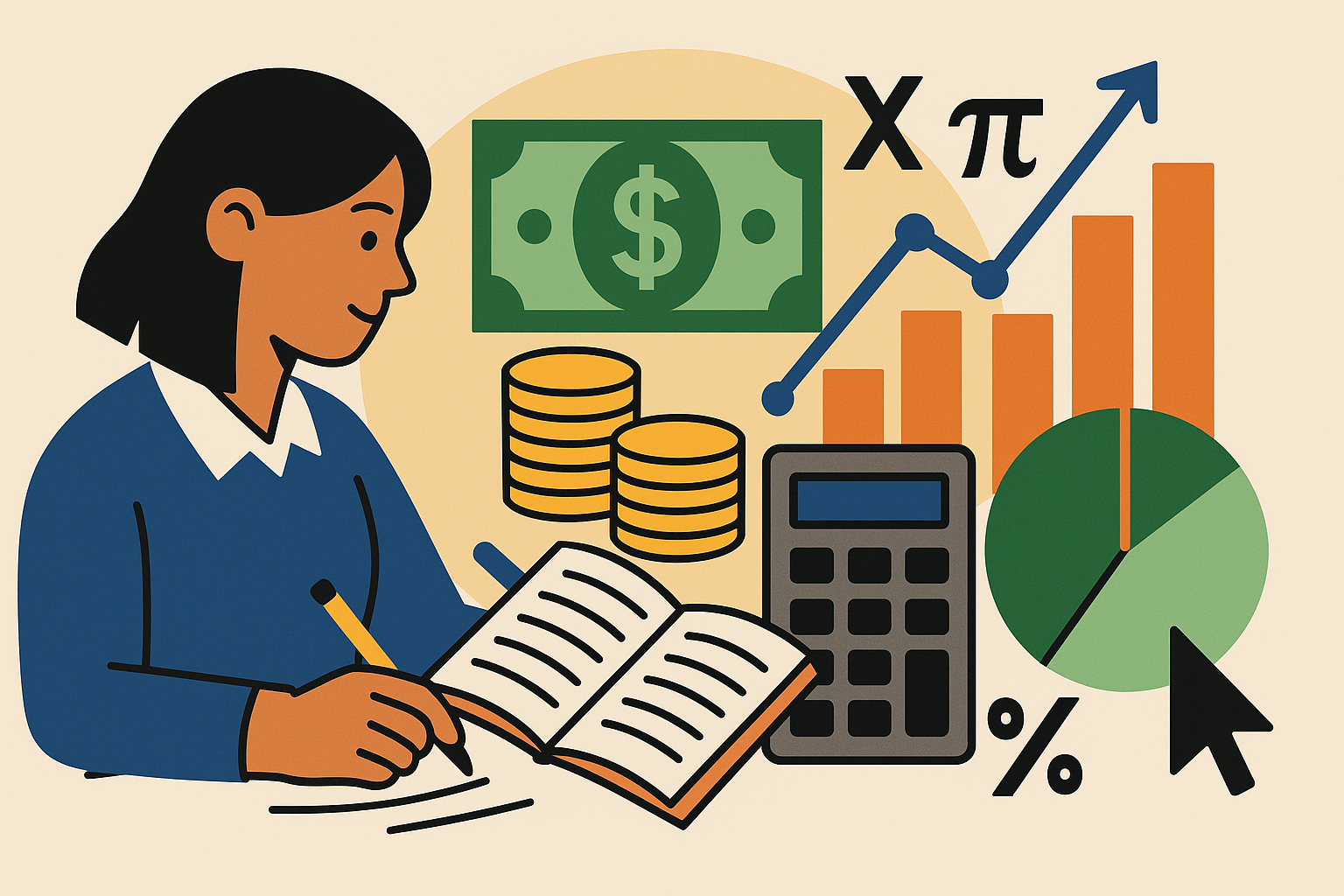
A strong foundation in mathematics is essential, but students often question how math connects to everyday life. Effective math education today focuses on practical learning, clear explanations, and real-world applications—especially around money and decision-making.
Mathematics education plays a critical role in shaping how students think, problem-solve, and make decisions in daily life. Recognizing the importance of math beyond the classroom, educators across the globe strive to create lessons that are practical, engaging, and clearly connected to real-world situations. As teaching methods evolve, a growing emphasis is being placed on making math both understandable and useful, particularly in areas that directly affect students’ futures, such as personal finance.
Traditionally, math has been taught as a series of abstract concepts: numbers, equations, and procedures that, for many students, felt disconnected from their daily experience. In response, educational approaches are shifting toward practical learning. This means that students are not just memorizing formulas, but also learning how to apply mathematical thinking to everyday activities—like grocery shopping bargains, budgeting for weekly expenses, and understanding credit card interest rates.
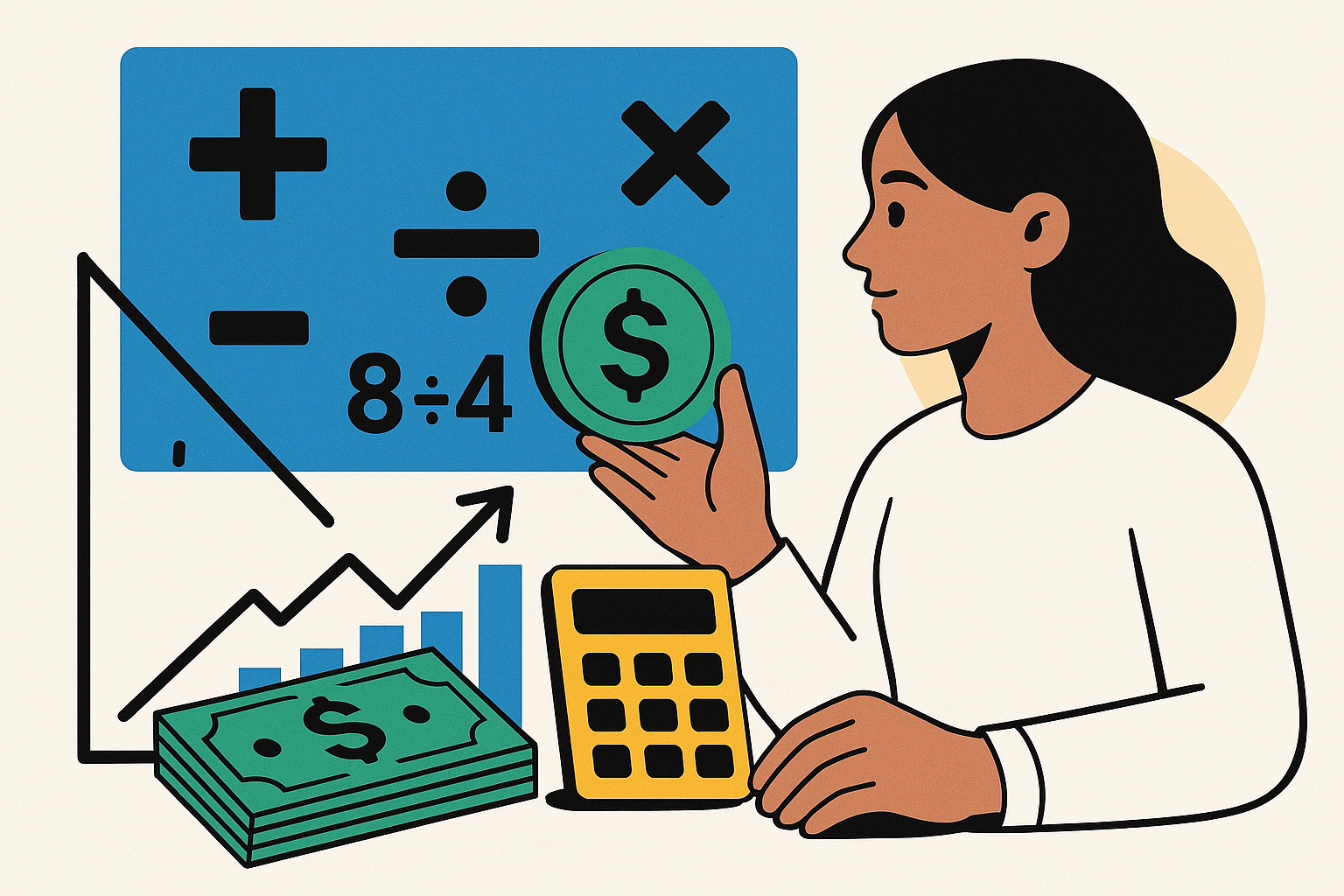
One effective approach is the integration of money and mathematics in class exercises. For example, when students work with story problems involving purchases, discounts, or savings, they see firsthand how addition, subtraction, multiplication, and division help them make wise decisions with money. Teachers can ask students to calculate the total price when buying several items, compare prices to find the best deal, or determine how long it will take to save up for a desired item given a set allowance. These scenarios offer clear explanations of mathematical concepts while directly relating to students’ lives.
Internationally, various teaching methods are influencing how math is taught. Singapore Math, for example, emphasizes problem-solving and model drawing to visualize mathematical situations, making abstract ideas more concrete. In Japan and China, lessons often focus on deep understanding through step-by-step reasoning and regular practice, laying a solid foundation for advanced mathematical learning. Meanwhile, Montessori education uses tactile objects and visual models to help young children grasp fundamental concepts intuitively.
In the United States, math education varies across states, with some adopting the Common Core State Standards to set clear goals for what students should learn at each grade level. These standards often stress both conceptual understanding and practical skills—like understanding percentages, calculating tax, or evaluating simple investments—so students are better equipped to navigate financial decisions as they grow older.
Clarity in math instruction is key. When teachers break down complex ideas into manageable steps and provide real-world examples, students are more likely to retain knowledge and understand its purpose. For example, discussing how a small change in spending habits can impact savings over time not only illustrates the power of math but also encourages positive financial behavior.
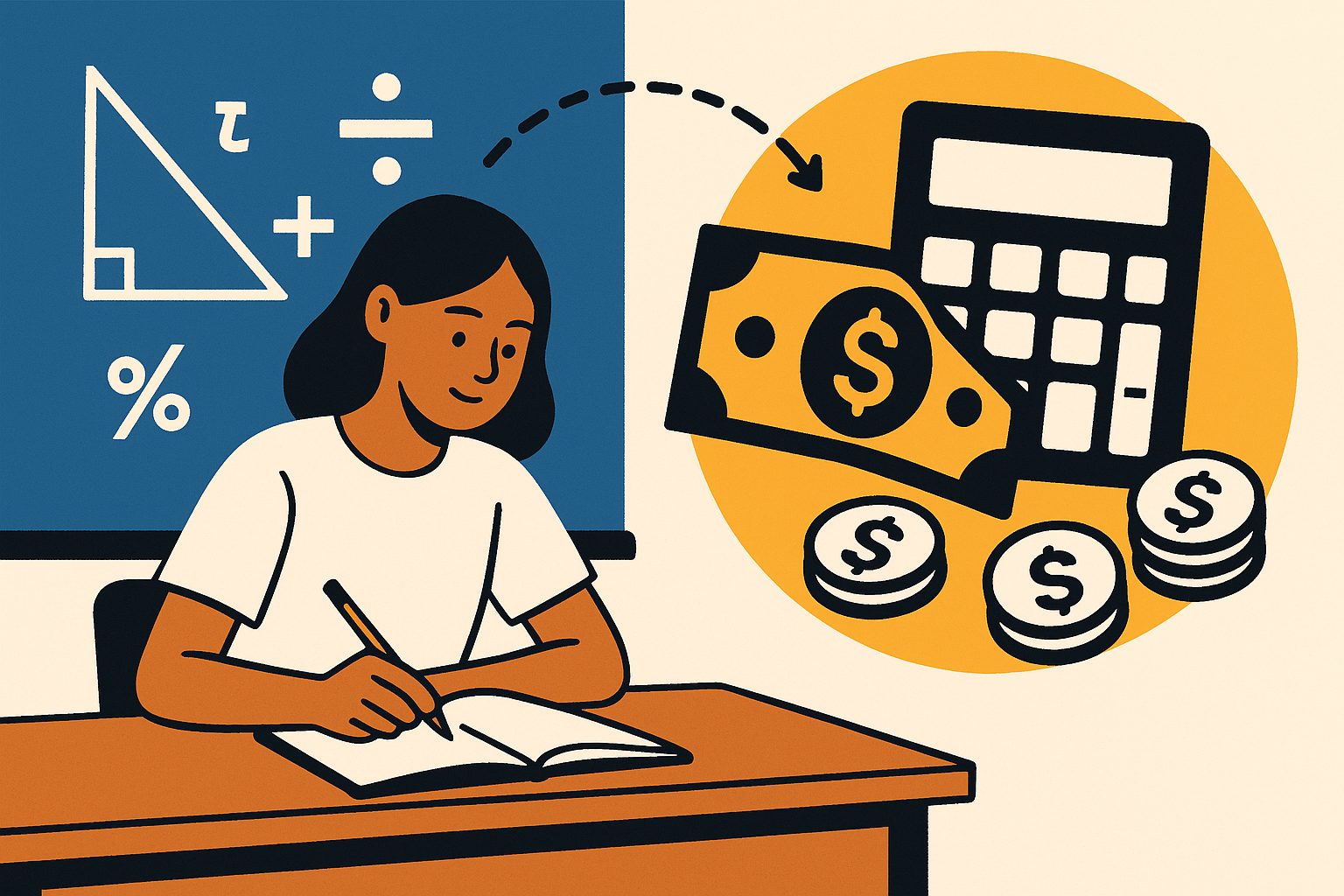
Ultimately, effective math education helps students see that mathematics is not just a subject to pass in school, but a toolkit for solving everyday problems. By emphasizing practical learning and clear explanations—especially those tied to money—educators empower young people to make informed choices, manage their resources wisely, and appreciate the relevance of math in their lives long after graduation.