Making Math Meaningful: Practical Approaches to Mathematics Education
Mathematics is often seen as a subject of abstract numbers and formulas, but its power truly lies in real-world application. Shifting towards practical math education not only improves understanding, but also prepares students for everyday financial and problem-solving challenges.
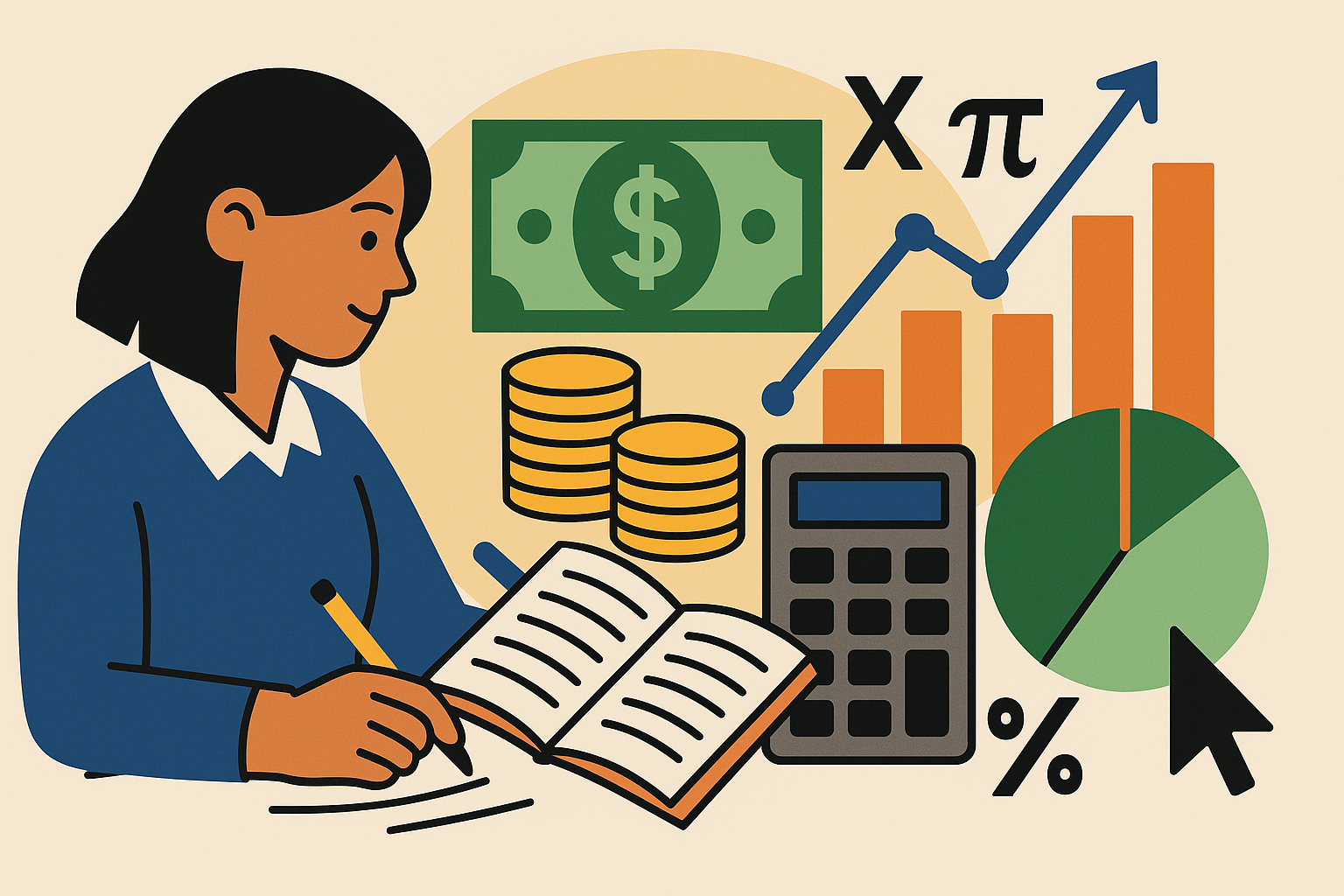
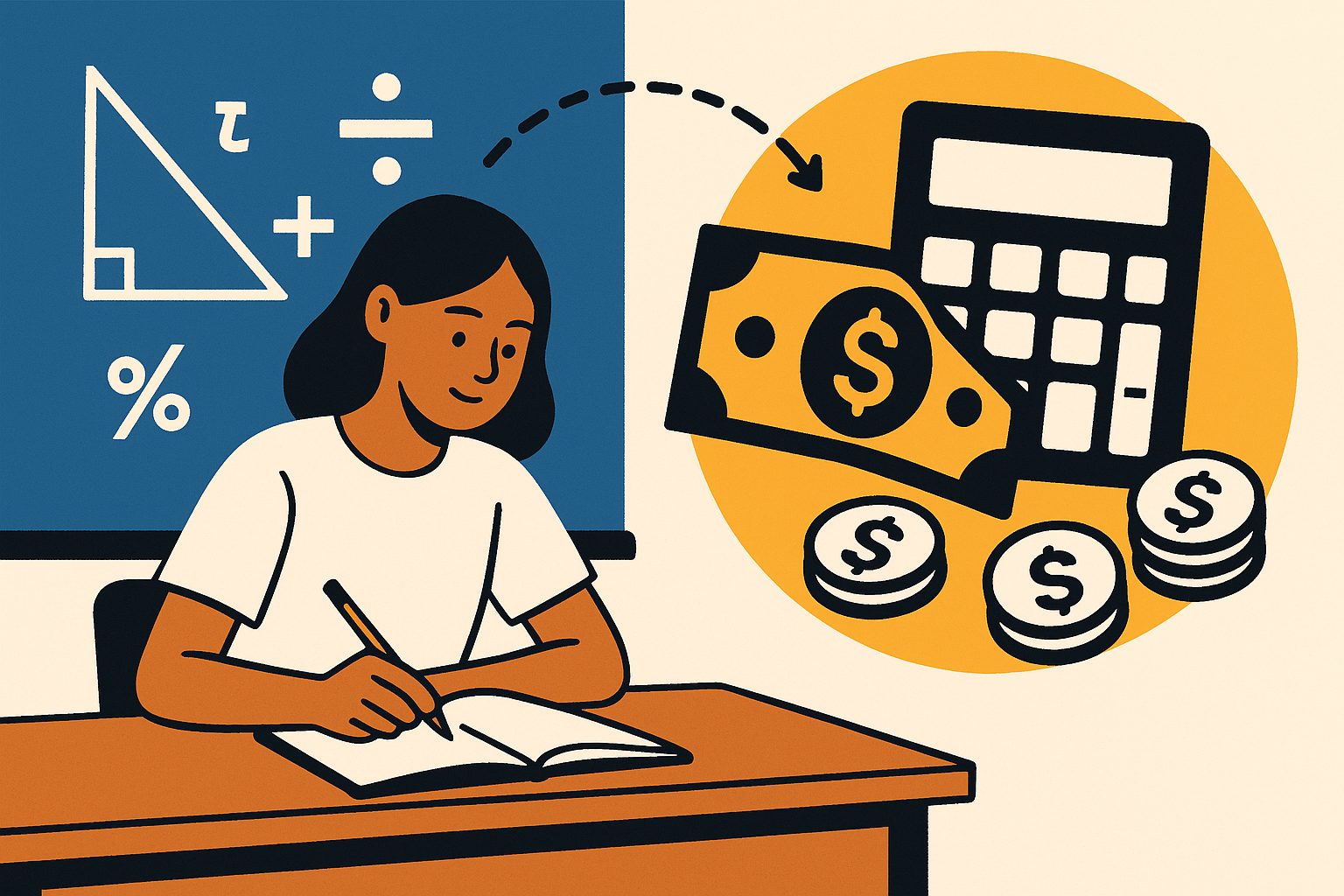
Mathematics is a foundational subject, widely recognized as essential for success in today’s complex, data-driven world. However, many students struggle to see its relevance, perceiving math as a series of disconnected rules and procedures. For educators, the critical challenge is to bridge the gap between abstract concepts and everyday life, making math meaningful and applicable to real-world situations. One effective way to accomplish this is through practical learning and the clear explanation of mathematical concepts, connecting them to daily experiences such as handling money, budgeting, and making informed consumer choices.
A growing emphasis in math education is the importance of practical learning—teaching approaches that ground mathematical theory in tangible activities. For example, lessons that incorporate real-life scenarios, such as planning a grocery shopping trip or calculating the best deals during sales, turn arithmetic into a useful tool. Through hands-on activities like running a simulated store, students can learn about addition, subtraction, multiplication, and division in the context of making change, comparing prices, or figuring out discounts and taxes. This strategy not only increases engagement, but also ensures that math skills are understood and retained because they are practiced in meaningful ways.
Money is an especially effective context for practical math education. When students learn to manage allowances, save for goals, or calculate interest, mathematics becomes a tool for building financial literacy. For instance, understanding percentages helps students grasp concepts such as sales tax, discounts, and tips. By working through scenarios like splitting the cost of a meal or comparing the costs of different phone plans, students develop the ability to make informed financial decisions. These skills are not only crucial for personal success, but also foundational to responsible citizenship.
International approaches to mathematics education often highlight the benefits of clear, systematic teaching. For example, Singapore Math—a method based on the national curriculum of Singapore—focuses on building a deep, conceptual understanding of mathematical concepts before moving on to abstraction. Students are encouraged to use visual aids, like bar models, which make it easier to grasp complex operations such as multiplication, division, and fractions. This emphasis on step-by-step instruction and mastery has earned Singapore Math international acclaim, with many countries adopting its strategies to improve outcomes.
Another effective practice is to present mathematics in a way that encourages logical reasoning and critical thinking, rather than memorization. Approaches like the Montessori method use specially designed materials to help students visualize mathematical relationships, fostering curiosity and a sense of discovery. When learners physically manipulate educational tools—whether beads for counting or blocks for demonstrating place value—they internalize concepts at a more profound level than through rote calculation alone.
In the United States and other regions, there is continued debate about the best way to approach the teaching of mathematics. While standardized test scores are often used as a gauge of success, many educators argue that true understanding comes from a blend of theory and practice. Achieving balance is essential: formal mathematical procedures provide a strong foundation, but real mastery is developed when students regularly apply their knowledge to concrete, practical problems.
Ultimately, mathematics education should aspire to do more than teach students how to solve equations; it should empower them to use mathematical thinking in their daily lives. Whether comparing mobile phone plans, creating a personal budget, or evaluating the best mortgage rates, a strong understanding of math enables individuals to make well-informed choices. Through practical learning and clear explanations, math becomes not just a school subject, but a valuable life skill.