Statistics in Class 10: Understanding Numbers in the Real World
Statistics in class 10 is not just about learning formulas—it’s about using numbers to understand the world around us. From analyzing data on family expenses to making sense of sports results, statistics connects mathematics to everyday decisions, especially those involving money. This article explores what students learn in class 10 statistics, why it matters, and how it applies to real-life situations.
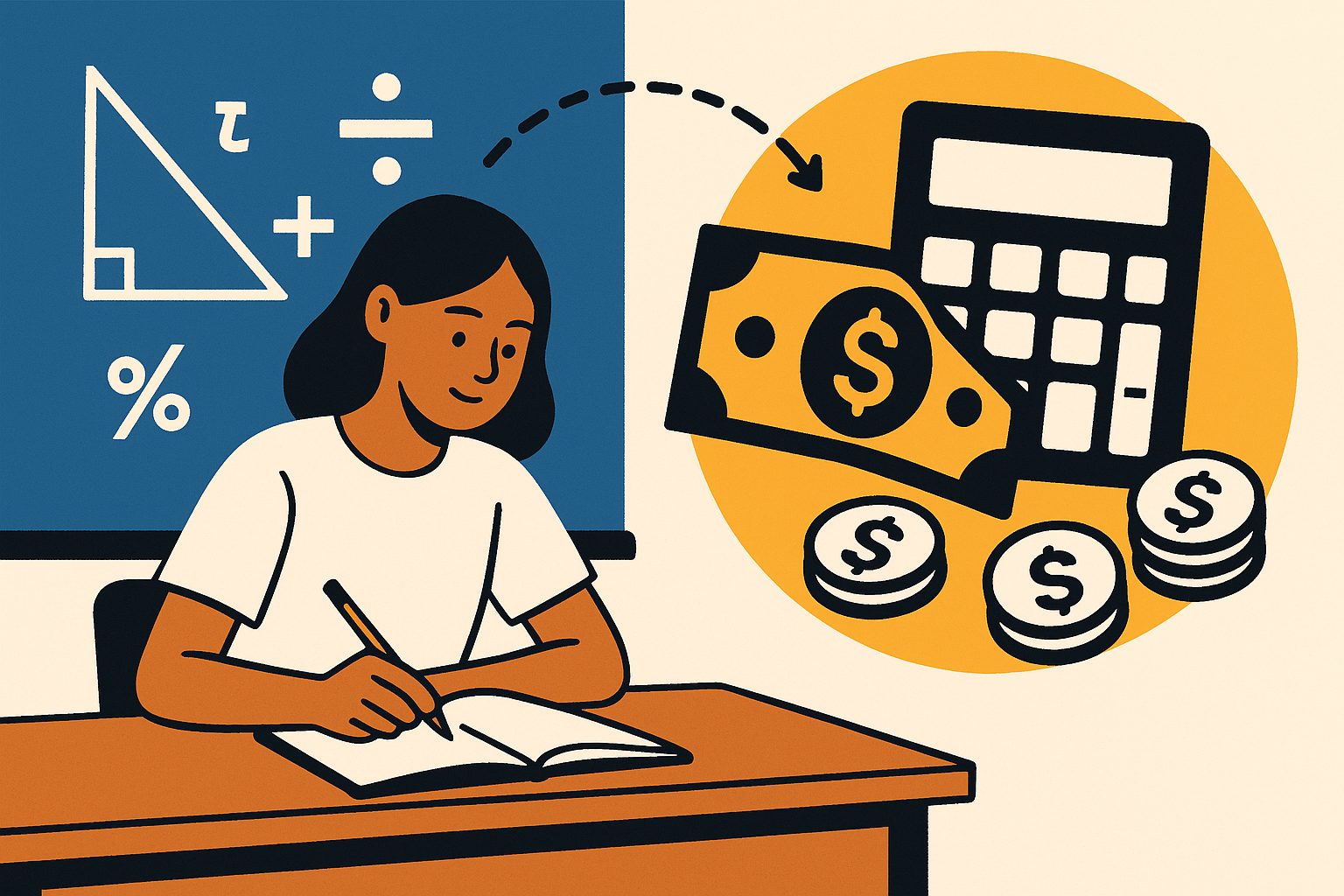
Mathematics education is a key part of school curricula in countries around the world, and by class 10, students are introduced to some fundamental concepts of statistics. Although the word 'statistics' may sound technical, it simply refers to methods for collecting, organizing, analyzing, and interpreting data. In the context of a class 10 curriculum, students learn the basics of this branch of mathematics, gaining tools they can use throughout their lives.
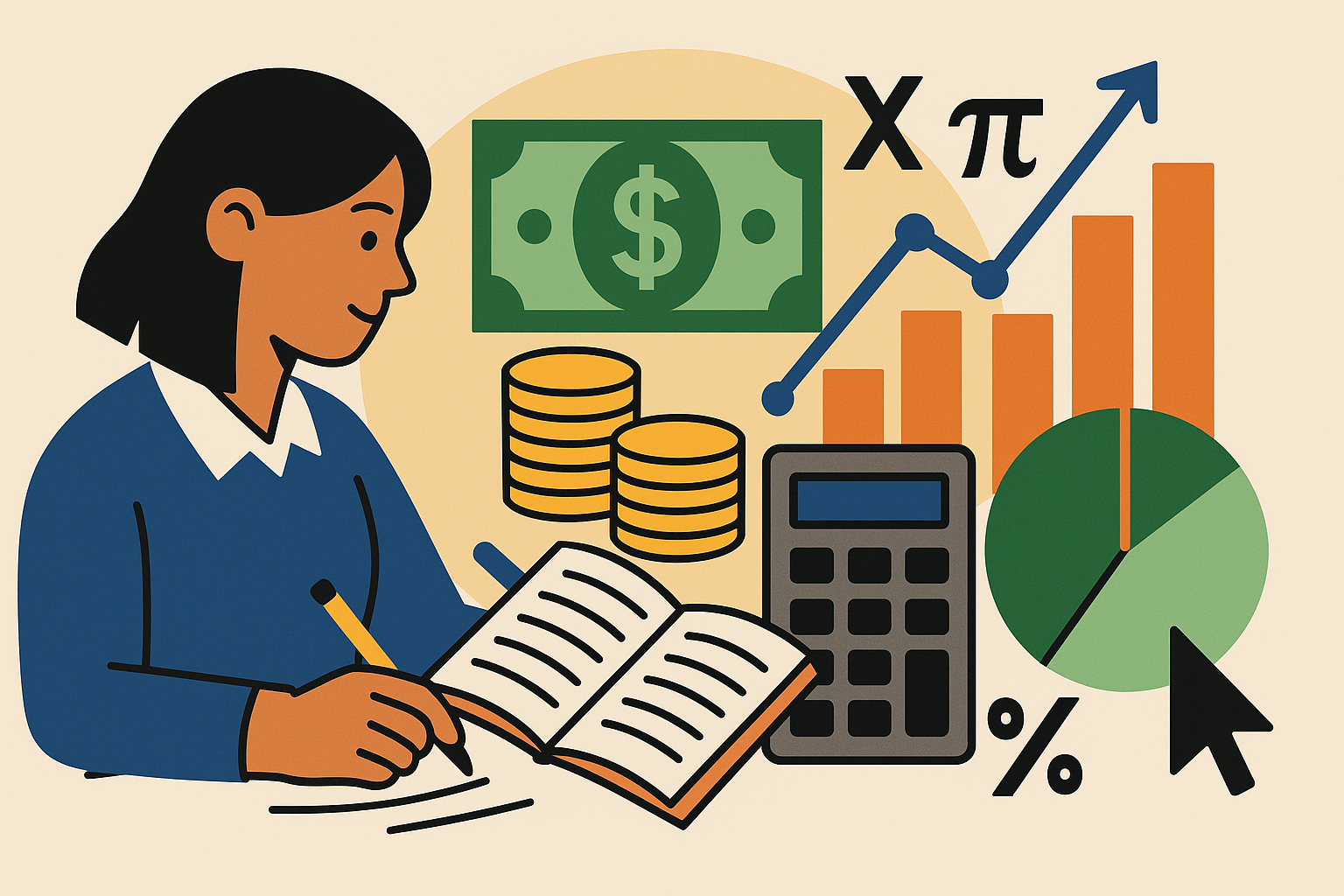
Class 10 statistics typically covers a range of important topics such as mean (average), median, mode, and graphical representation of data—like bar graphs and histograms. These concepts may seem abstract at first, but they are actually quite practical. For instance, students might be asked to create bar graphs displaying the monthly family expenses on categories such as food, education, entertainment, and utilities. By calculating averages, they can better understand how much a family usually spends and make informed budgeting decisions.
The skills developed in class 10 statistics extend far beyond the classroom. In the real world, interpreting and communicating data is valuable in nearly every profession. For example, business owners use statistics to analyze sales trends, governments use them to plan budgets and allocate resources, and individuals use them to make choices about savings or investments. When students see statistics used in news reports about employment rates or inflation, their classroom knowledge helps them evaluate what those figures actually mean for families and local communities.
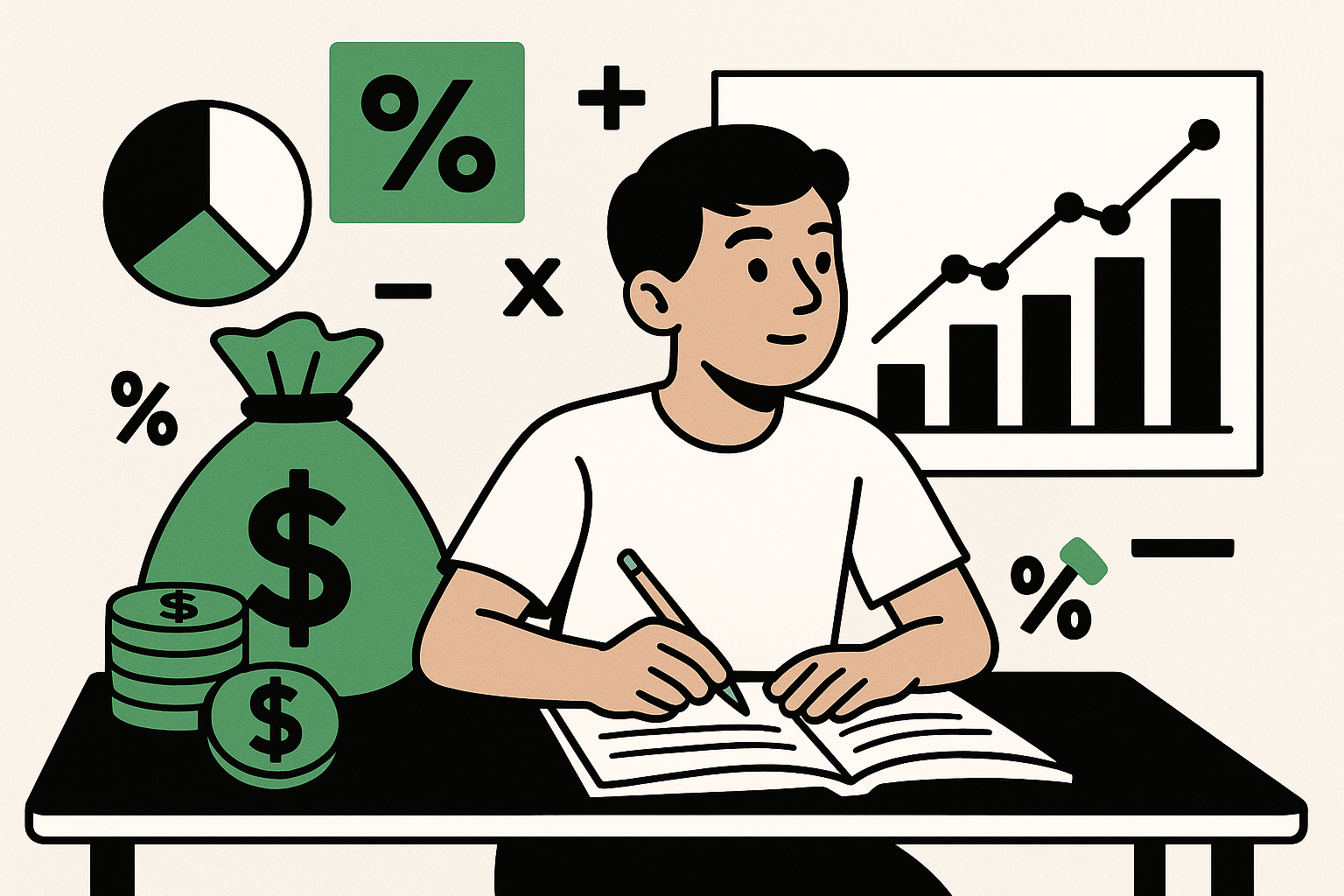
A particularly relevant area where statistics and mathematics intersect is in understanding personal finance. Suppose a student wants to compare the monthly allowance they receive to that of their classmates. By collecting data, calculating the mean and median allowances, and representing the information on charts, students can visually assess differences and think critically about questions of equity and spending habits. They also learn the importance of sample size and representation—skills that can guard against being misled by incomplete or selective data.
Statistics education in class 10 often emphasizes data interpretation rather than rote memorization of numbers. Teachers encourage students to read between the lines, questioning where data comes from and how it is used. This approach cultivates empirical reasoning skills, which are essential for making sense of the abundance of statistics presented in media, advertising, and politics.
Beyond personal finance, statistics is indispensable in fields as diverse as medicine, sports analysis, and environmental studies. For instance, doctors rely on statistical data to measure the effectiveness of treatments, while sports analysts use data to assess player performance or predict outcomes. Understanding statistical methods in these contexts starts with the foundational skills learned in class 10.
Given its practical relevance, class 10 statistics courses often include hands-on projects. Students might conduct surveys within their school, collect data on how much time peers spend on homework or extracurricular activities, and then communicate their findings. These projects make statistics come alive, demonstrating how math is not just an abstract discipline but a practical tool for understanding everyday patterns and making decisions.
In summary, statistics for class 10 is more than just a unit in the mathematics curriculum; it is an introduction to a set of critical life skills. By connecting mathematical concepts with real-world problems—especially those involving money—students gain valuable experience in data analysis and informed decision-making. As societies and economies become increasingly data-driven, a solid understanding of statistics is an asset for every young learner.