Understanding Statistics in Class 10: Making Math Meaningful for Life
Statistics is a crucial part of the class 10 mathematics curriculum, connecting classroom learning to real-world applications such as financial literacy, business, and data-driven decision-making. This article explores how practical learning in statistics prepares students for everyday challenges and why mastering these concepts is essential for navigating a world increasingly shaped by numbers.
Statistics has become a fundamental branch of mathematics taught in schools across the globe, and by class 10, students encounter its core concepts in more depth. While statistics might seem abstract at first glance, the skills acquired here have direct implications on everyday life, especially in understanding money, making informed decisions, and interpreting information that affects personal and national economies.
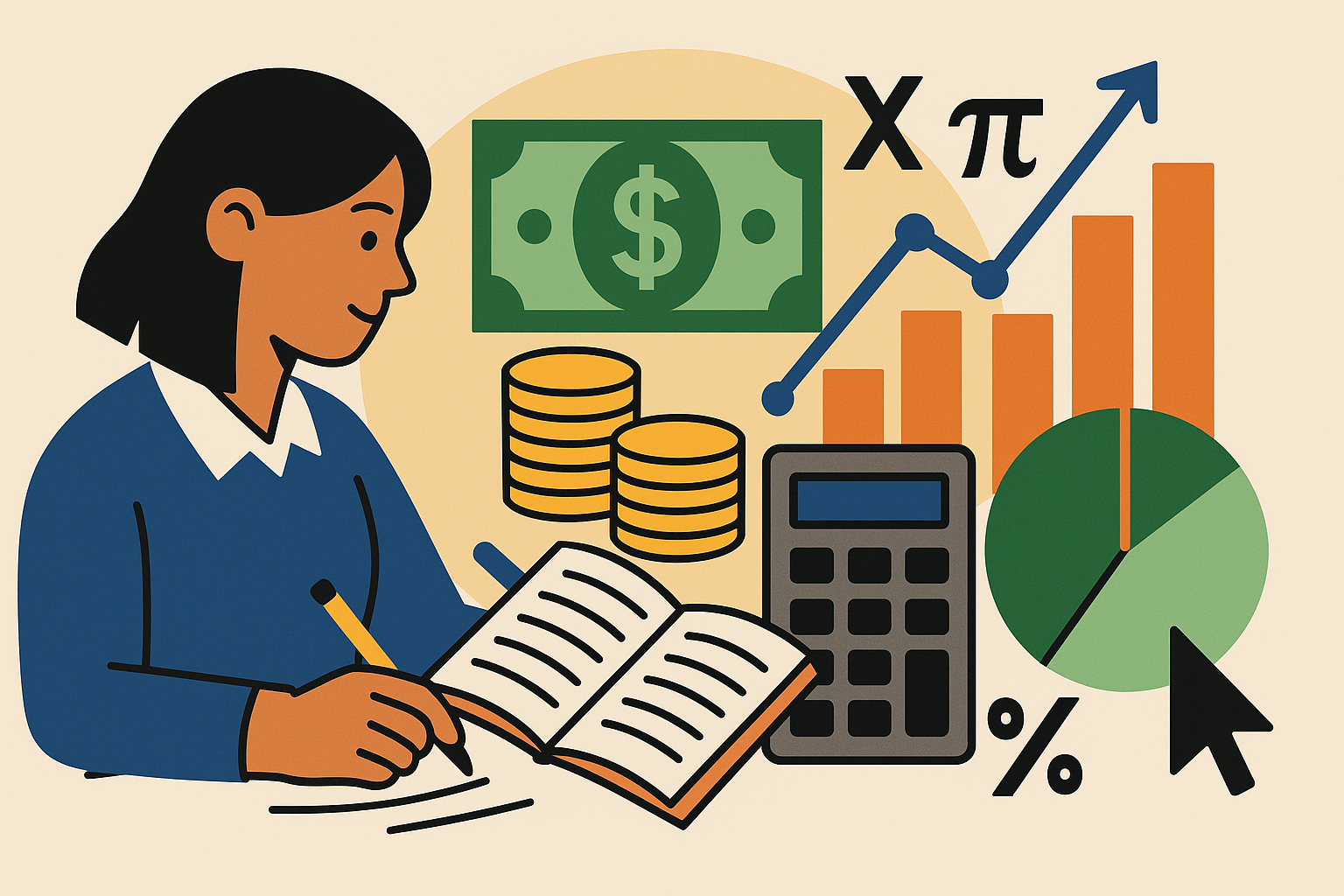
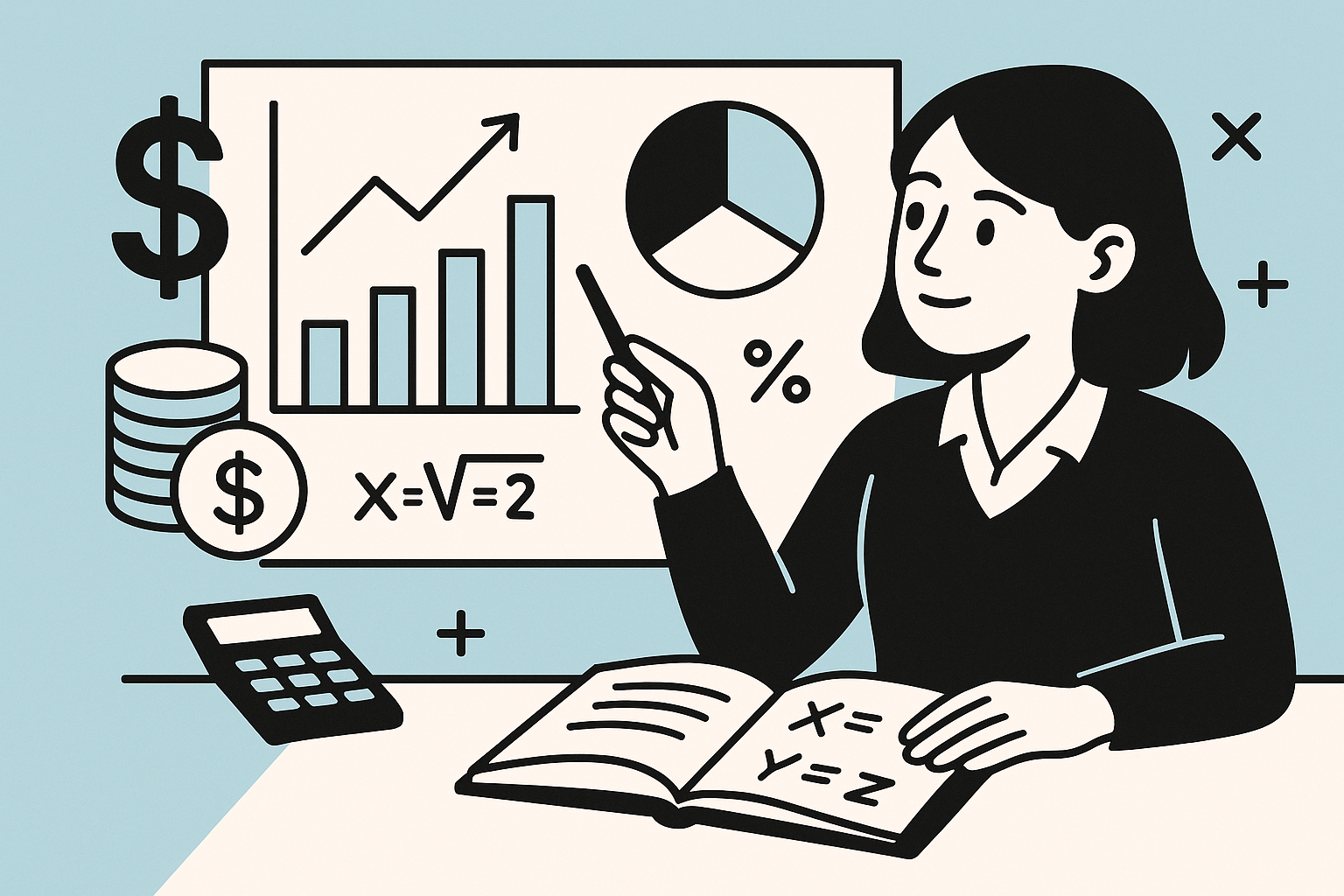
At its essence, statistics is the study of data: how to collect it, organize it, analyze it, and draw conclusions from it. In the class 10 curriculum, students are typically introduced to topics such as mean, median, mode, and the representation of data through graphical tools like bar charts and histograms. These foundational ideas set the stage for practical data analysis seen in higher studies and various professions.
Why does this matter for everyday life? Consider budgeting at home. Families often track their spending on essentials like groceries, transport, or utilities. By using basic statistics, a student can help their family calculate the average monthly expenditure, spot unusual increases, or predict future needs. This practical exercise not only reinforces classroom learning but also sharpens financial management skills—an important life lesson.
Businesses, large and small, rely heavily on statistics for their daily operations. Imagine a small store owner who wants to know which products sell best. By collecting weekly sales data and finding the mode (the most frequently sold product), the owner can adjust inventory, offer promotions, or focus advertising. In this way, the statistical knowledge from class 10 is directly applied to real-world entrepreneurship and economic decision-making.
On a wider scale, statistical literacy is increasingly important in modern society. Governments use statistical analysis to make policy decisions—from funding education to allocating healthcare resources—based on population data. Understanding how data is collected, what averages represent, and how surveys are analyzed helps citizens interpret news, recognize misleading information, and participate in civic discussions with confidence.
The integration of statistics into class 10 mathematics also strengthens logical thinking and problem-solving abilities. Students learn how to ask meaningful questions about data, interpret results critically, and avoid common pitfalls such as assuming causation when there is only correlation. These skills are invaluable not only in mathematics but also in subjects like science, economics, and even history, where analyzing trends and patterns is key.
Internationally, education systems such as those in China, France, and the United States emphasize mathematics—including statistics—as a core component of secondary school education. According to studies on mathematics education, countries invest significant classroom time in these subjects, recognizing their relevance in building quantitative and analytical abilities—abilities that translate into personal financial literacy and job readiness later in life.
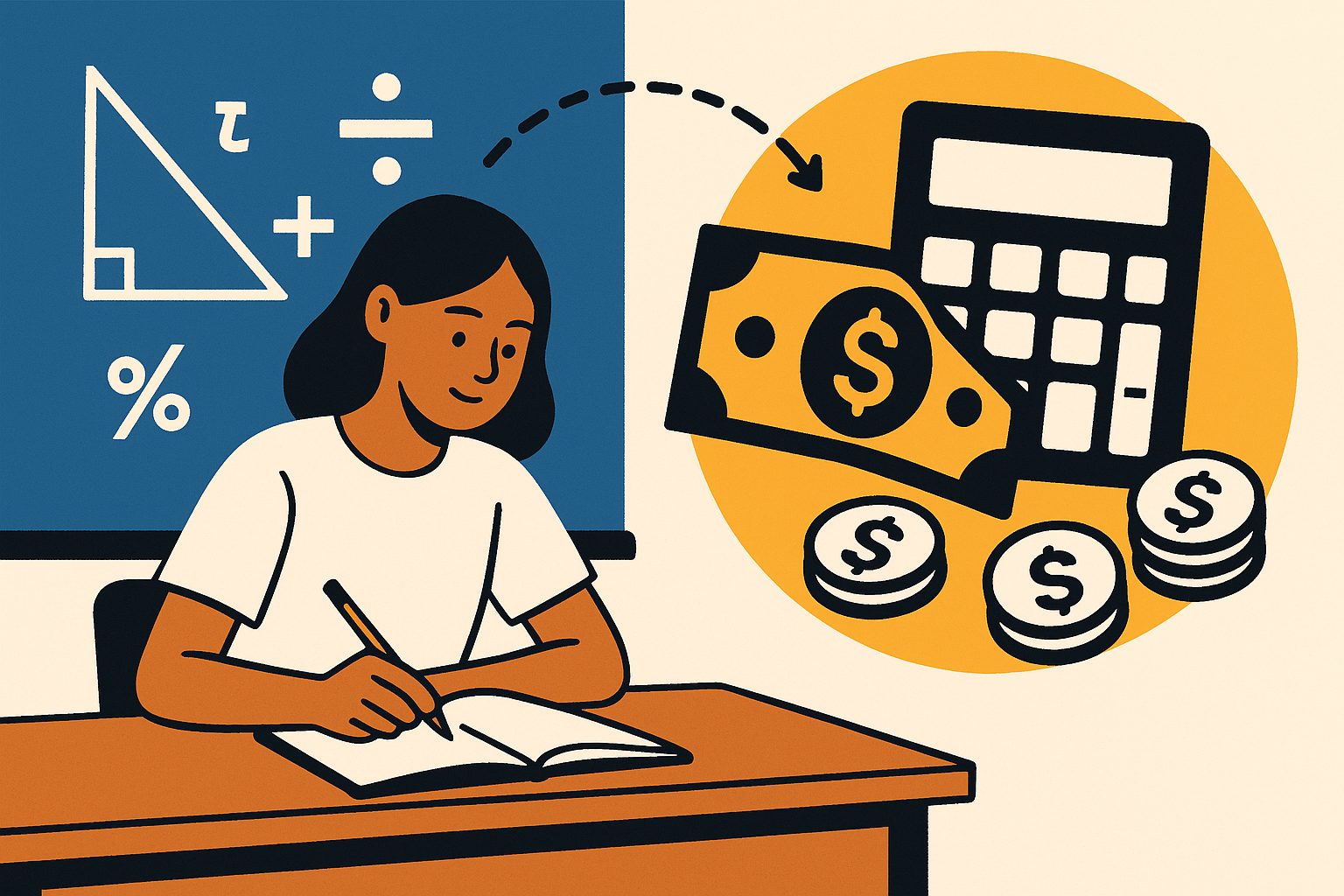
To encourage practical learning, many educators recommend using real-life scenarios, such as tracking the family budget, analyzing sports scores, or interpreting local weather patterns, as a way to understand statistics. By making lessons relatable, students are more motivated to participate, and concepts are more likely to stick—bridging the gap between theory and daily life.
In summary, statistics in class 10 is much more than memorizing formulas or solving textbook problems. It is about gaining a toolkit for making sense of the world, handling money wisely, and approaching complex problems with analytical thinking. As our world becomes more data-driven, the importance of developing statistical skills early cannot be overemphasized. For students, parents, and educators alike, this is a lesson that pays dividends for years to come.