Study Blog
Explore articles about currency history, financial literacy, and money management
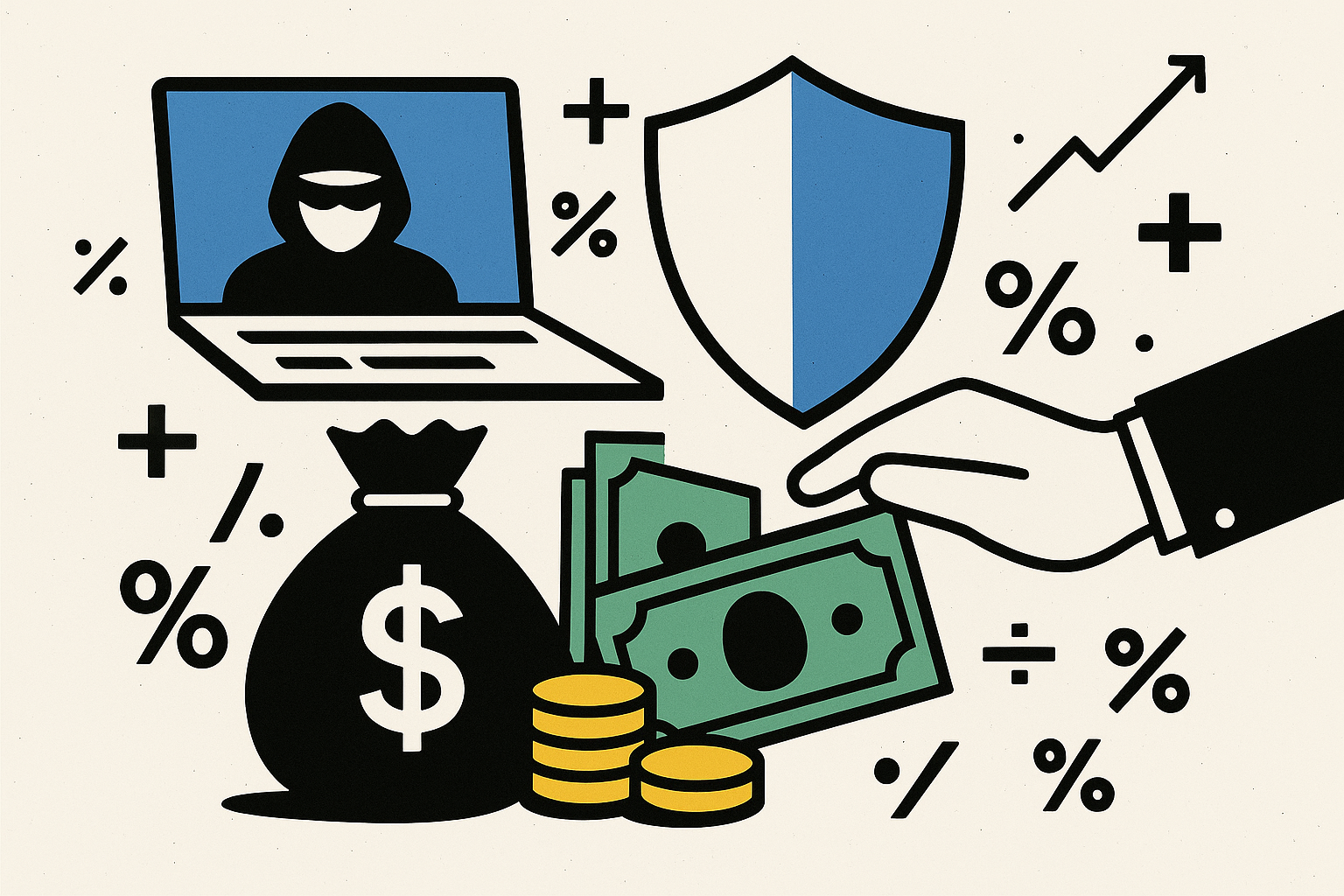
Understanding Cyber Scams: How to Protect Yourself and Your Money
Cyber scams have become a major threat in the digital age, targeting individuals, businesses, and even major organizations. This article explores how these scams work, explains the mathematics of financial losses, and provides practical advice to help everyone stay safer online.
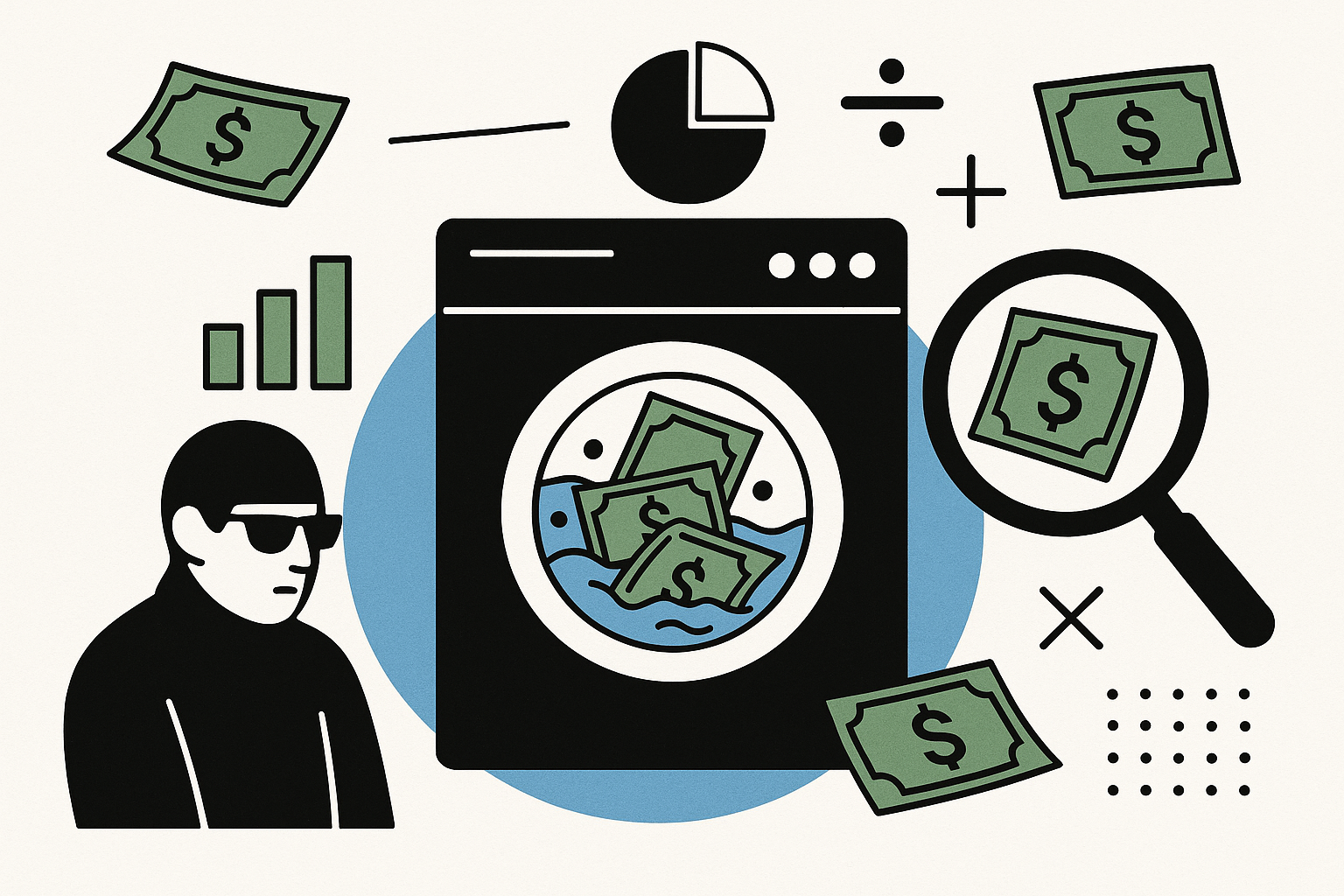
Understanding Money Laundering: What It Means and Why It Matters
Money laundering is an often-heard but little-understood term. This article clarifies its meaning, explores how it works, and highlights its impact on society and the economy, making math and real money connections along the way.
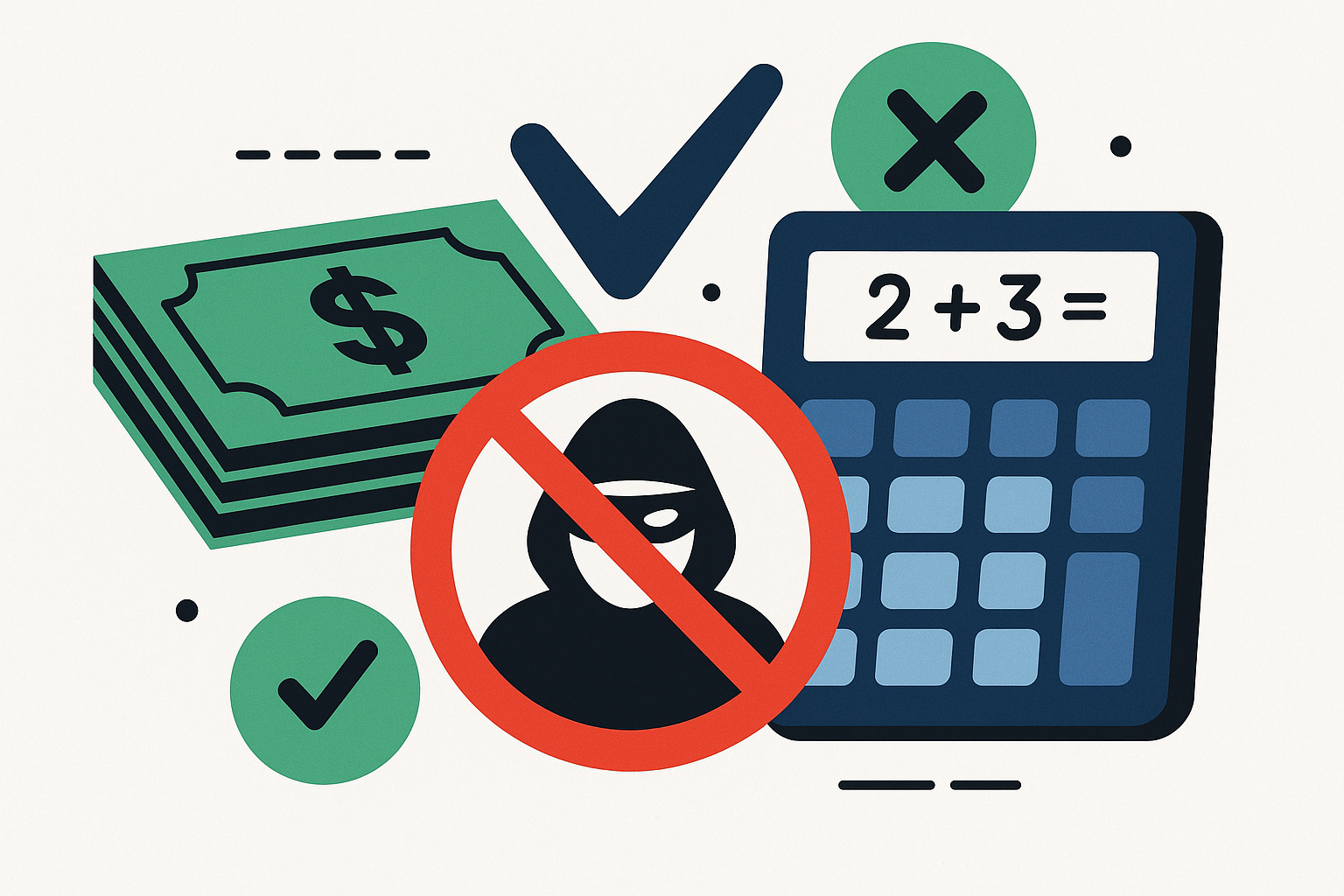
Understanding Fraud Prevention: Practical Lessons for Everyday Life
Fraud is a pervasive challenge that affects individuals, businesses, and governments worldwide. This article explores how understanding mathematics and real-world money matters can empower us all to recognize and prevent fraud, drawing from recent high-profile cases and new laws.
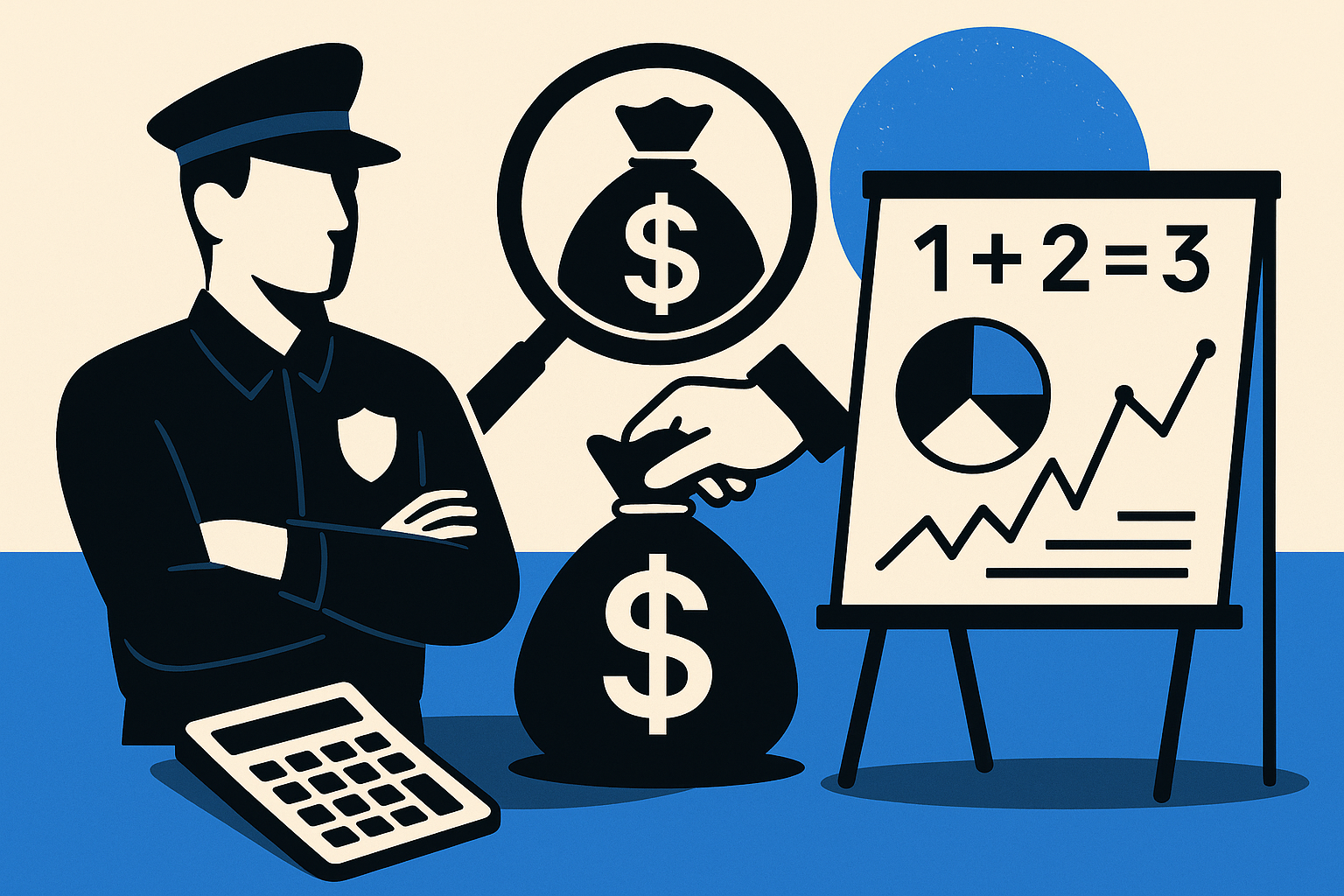
Fraud Prevention: Building a Safer Society Through Practical Awareness and Education
Fraud affects individuals and societies by undermining trust, robbing resources, and distorting fair opportunities. Through understanding real-world examples, mathematical clues, and sound prevention methods, everyone can contribute to anti-crime efforts and protect themselves from financial and personal loss.

Stay Safe Online: Understanding and Avoiding Modern Cyber Scams
Cyber scams are increasingly common in our daily lives, targeting individuals and businesses through deceptive tricks online. This article will help you learn how cyber scams work, their real-world money and mathematics connections, and practical steps anyone can take to protect themselves.
Understanding Money Laundering: What It Is and Why It Matters
Money laundering is a crucial concept in the fight against crime. It’s the method by which money earned from illegal activities is made to appear legitimate. This article explores what money laundering means, how it happens, and why everyone should understand its financial and mathematical implications.
Unmasking Money Laundering: What It Means and Why It Matters
Money laundering is a complex process where illegal funds are disguised as legitimate assets. This article explores the basics of money laundering, connects it to real-world financial practices and mathematics, and explains why understanding this crime is essential for everyone in today’s interconnected economy.
The Growing Shadow of Cyber Scams: What You Need to Know to Stay Safe
Cyber scams are costing individuals and businesses billions worldwide, growing increasingly sophisticated with advances in technology. Understanding the mechanics behind these scams, learning to recognize warning signs, and appreciating their real-world financial impact can help everyone become better protected in our hyperconnected age.
Money Laundering: Understanding the Basics and Fighting Crime
Money laundering is the process of making illegally-gained money appear legal. Learn what money laundering is, how it works, and why it matters for our society and financial systems, with clear practical examples and real-world math connections.
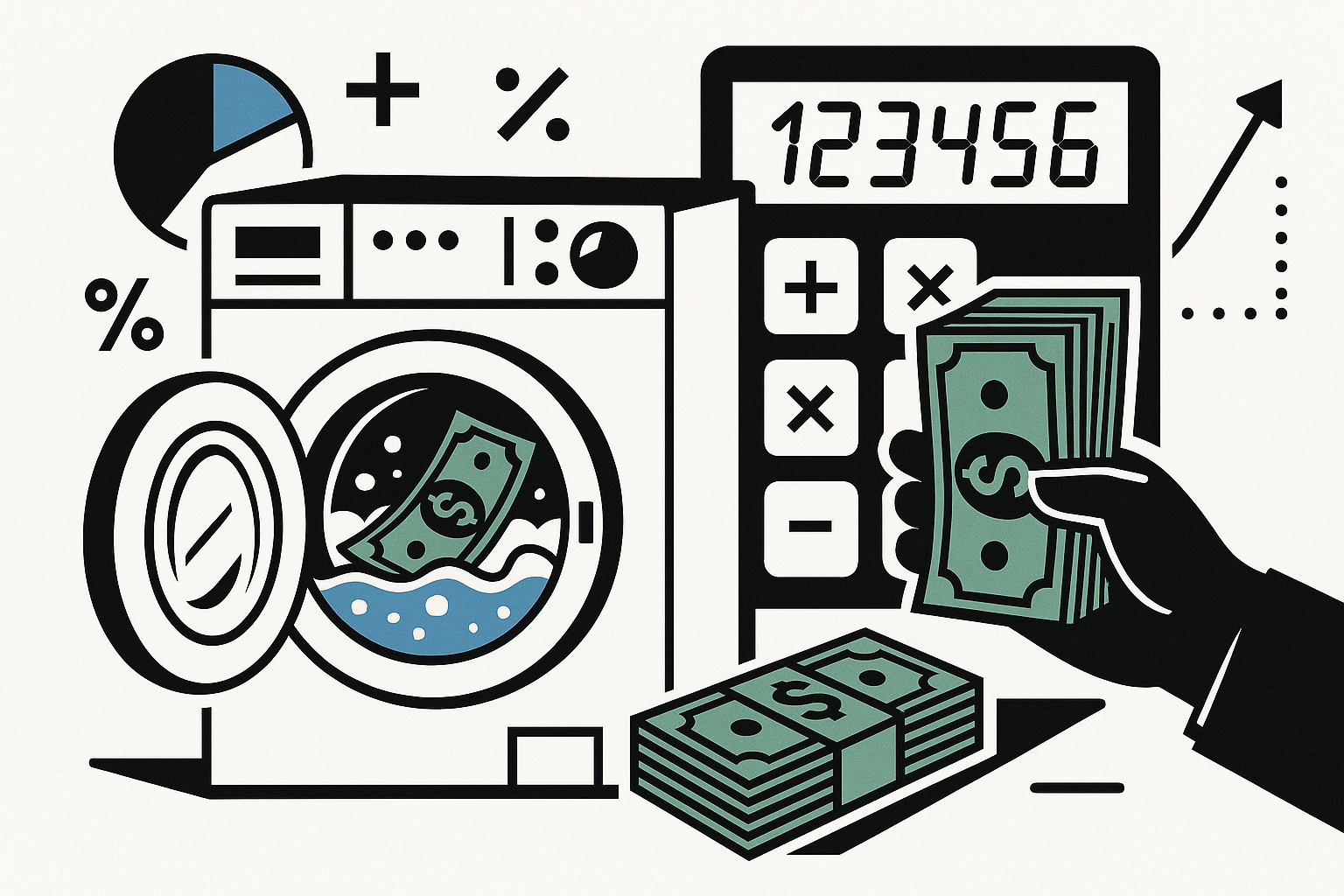
Money Laundering: Understanding the Process and Its Impact
Money laundering is a complex financial crime that transforms illegal profits into seemingly legitimate assets. This educational article explains how money laundering works, its real-world consequences, and the mathematical logic behind tracking suspicious transactions, helping readers gain practical understanding of the powerful connections between crime, currency, and anti-laundering efforts.
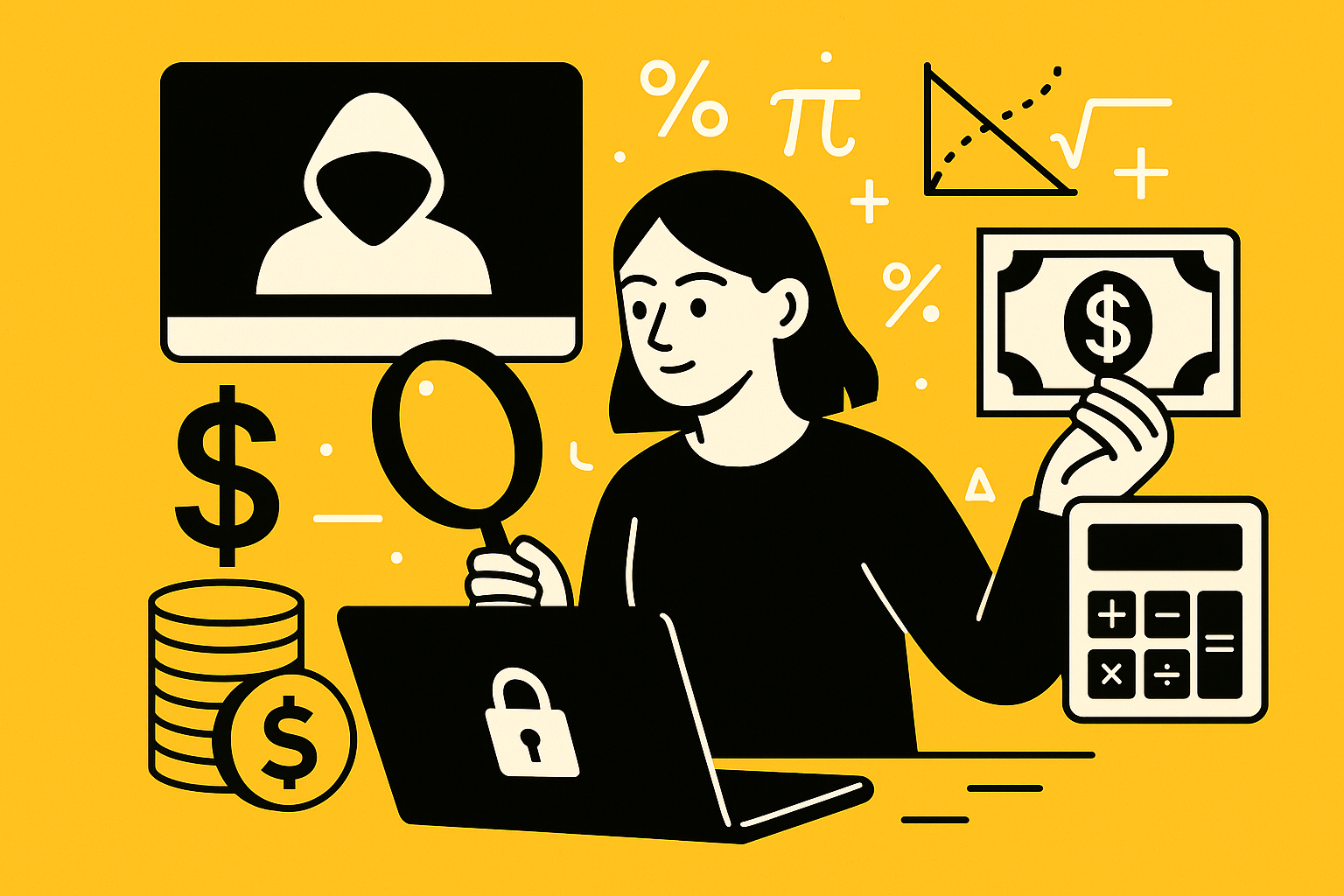
Outsmarting Cyber Scams: A Practical Guide to Staying Safe and Saving Money
Cyber scams are a growing global threat, costing people and businesses billions of dollars every year. Understanding how these scams work and how to protect yourself is vital in our increasingly digital world. This article explains the mathematical impact of cybercrime, explores real-world examples, and provides practical steps you can take to keep your money—and your information—secure.
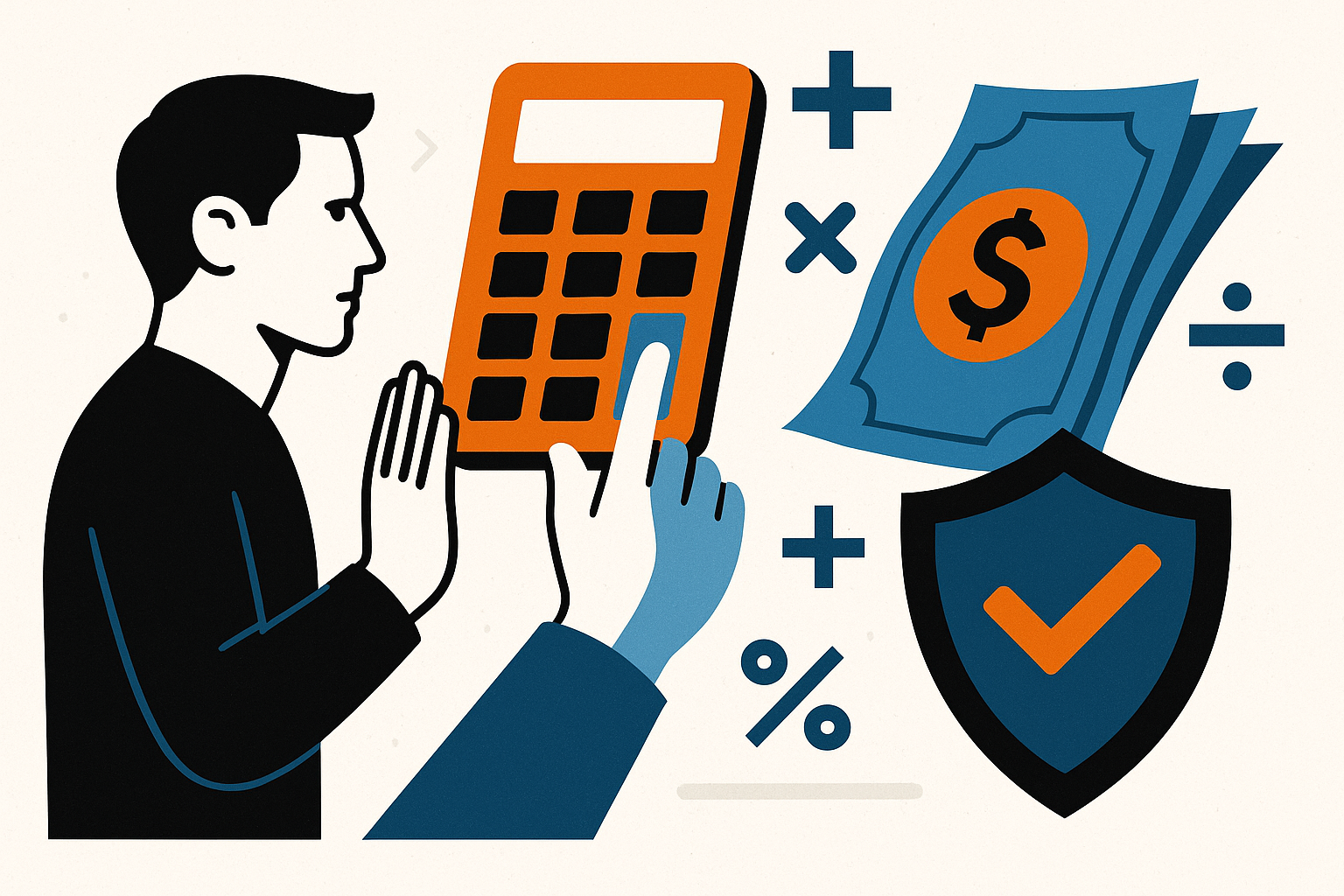
Practical Ways to Prevent Fraud: Lessons for Everyday Life
Fraud prevention is a vital skill not only for businesses but also for individuals. This article explores the real-world importance of anti-fraud measures, using money management and mathematical thinking as effective tools. Discover how proper education can help spot deception and limit financial risks.
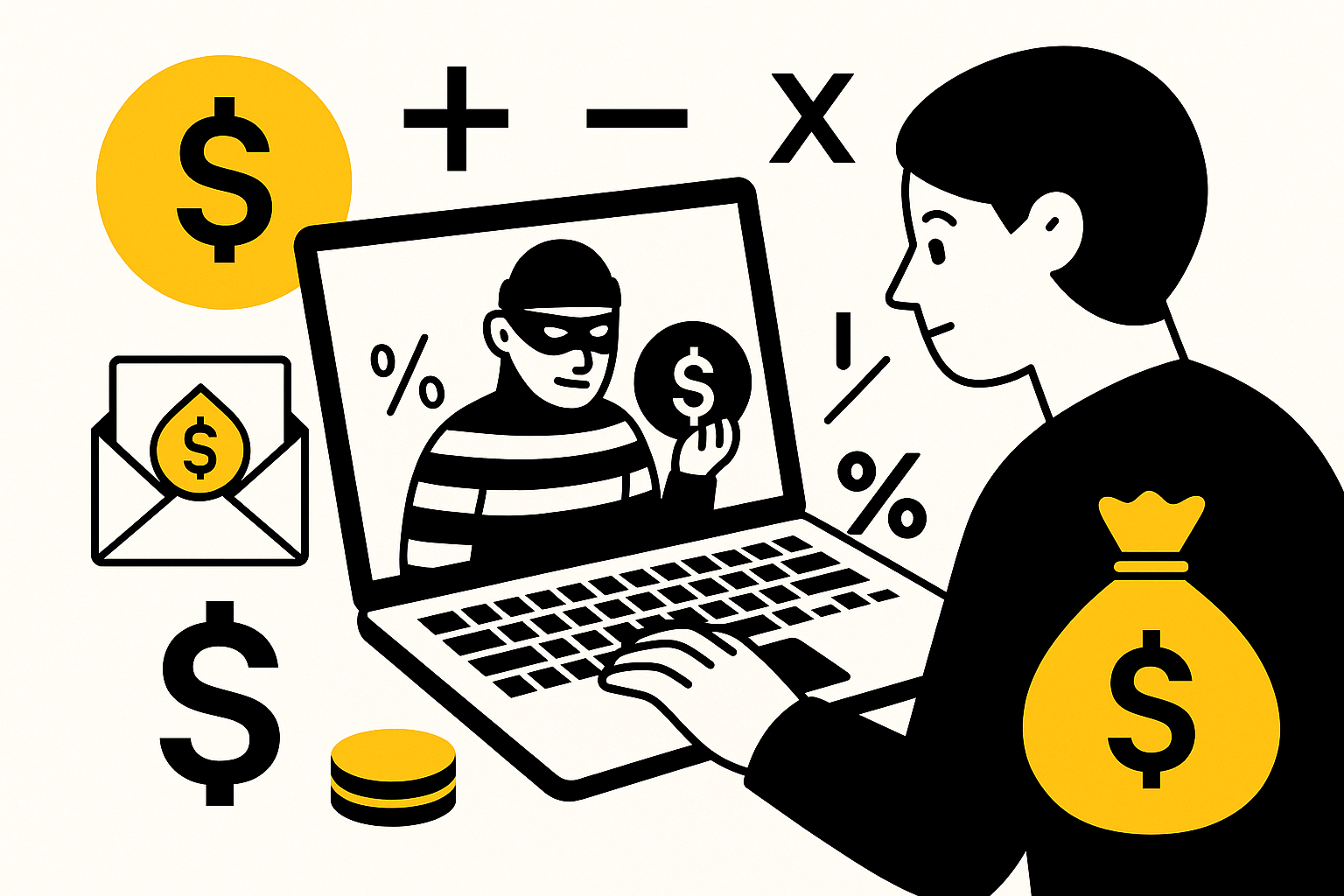
Cyber Scams: How to Recognize, Avoid, and Outsmart Digital Criminals
Cyber scams are a growing threat to individuals and businesses worldwide. Understanding how these scams work, and the real money consequences involved, is the first step to staying safe online. This article explains types of cyber scams, their financial impact, and practical tips for prevention—connecting digital awareness to basic mathematical thinking for every reader.
Understanding Money Laundering: Meaning, Methods, and Why it Matters
Money laundering is a criminal process that turns illegal proceeds into seemingly legitimate assets. This article explains what money laundering means, why it is a problem, its real-life financial impact, and how math and money management play a role in understanding and combating this crime.
Fraud Prevention: Practical Tools for a Safer Society
Fraud affects every corner of society, from major financial institutions to individual students. Learning about fraud prevention isn’t just about following rules—it’s about understanding the real-world consequences for your money, education, and community. Through practical tips and mathematical reasoning, we can all play a part in making our world safer and more honest.
Fraud Prevention: Protecting Your Money and Community
Fraud affects millions worldwide, causing financial loss and eroding trust. Understanding how to spot, prevent, and respond to fraud is essential for individuals, families, and schools. This article offers practical guidance on fraud prevention, connects lessons to real-world money situations, and shows how math and logic can help keep you safe.
Cyber Scams: Understanding, Preventing, and Measuring Their Cost
Cyber scams have become a modern crime wave, costing individuals, businesses, and society billions every year. Learn what cyber scams are, how they work, and what practical steps you can take to avoid becoming a victim. Explore the real-world financial impact and understand the mathematics behind how cybercrime spreads.
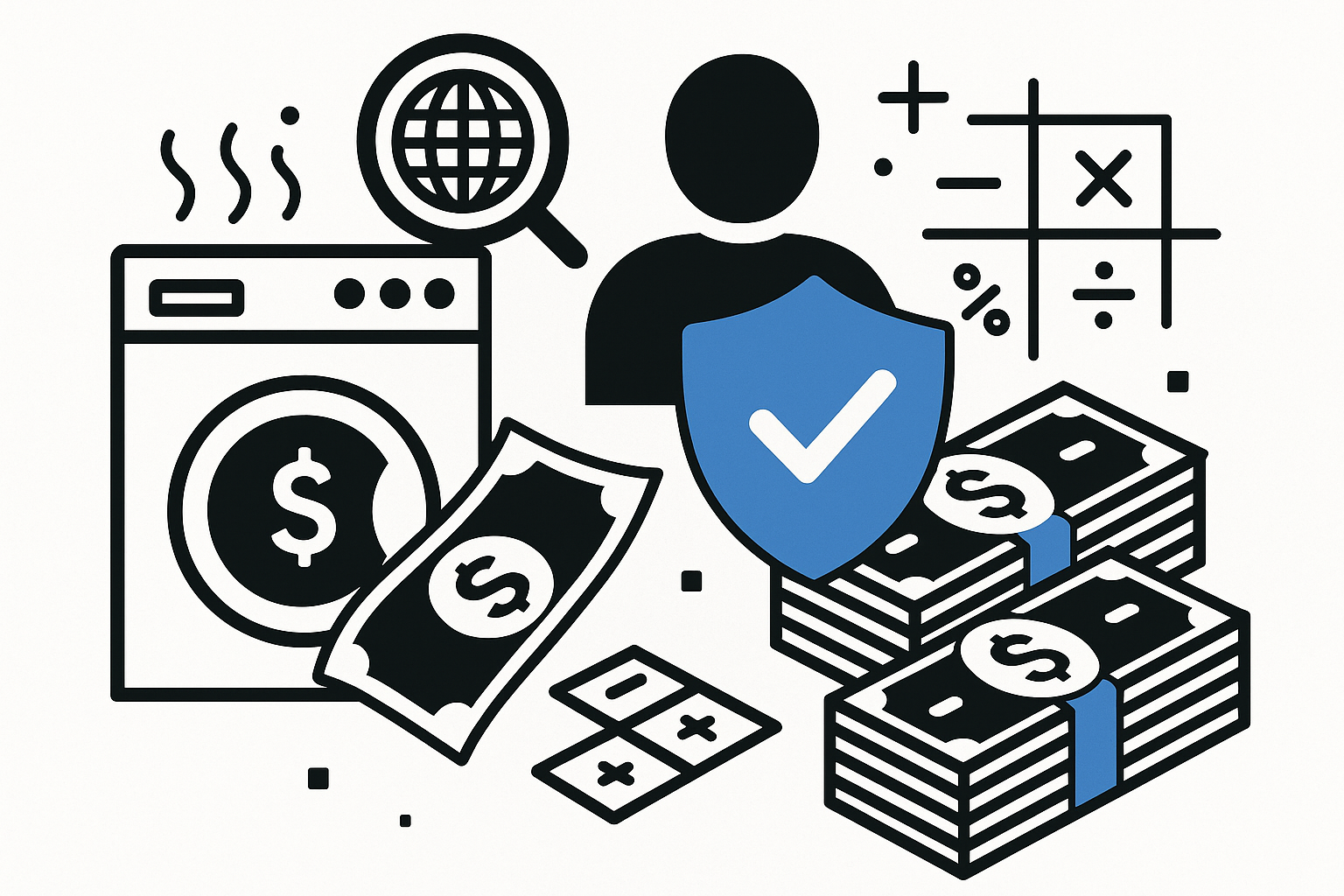
Understanding Anti-Money Laundering: Keeping Crime Out of the Financial System
Anti-money laundering (AML) is a crucial part of the fight against financial crime, using rules, mathematical analysis, and real-world detective work to stop illegal money from blending into the legitimate economy. This article explains what AML is, why it matters, and how critical everyday skills—especially in money and mathematics—can play a role.