Study Blog
Explore articles about currency history, financial literacy, and money management
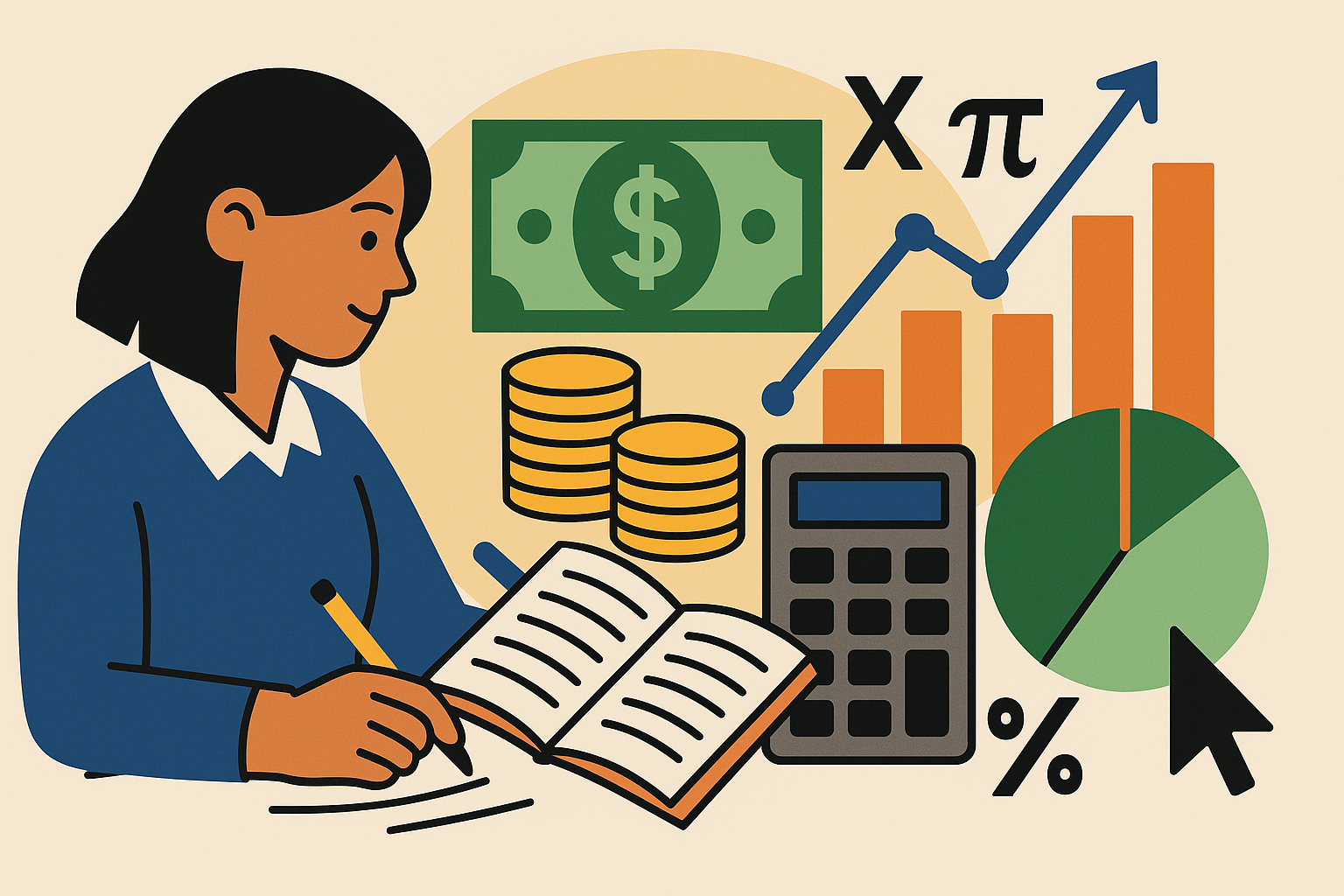
Demystifying Statistics for Class 10: Practical Skills for Real Life and Money Matters
Statistics in Class 10 is more than just calculations—it's a gateway to understanding and interpreting the world, with important applications in personal finances and daily decision-making. This article explores how Class 10 students can connect statistics to real-world scenarios, focusing on money management, clear mathematical reasoning, and the importance of learning these skills for life beyond school.
Practical Paths: Connecting Math Education to Everyday Life
Math education is most powerful when it goes beyond the textbook, connecting with real-world experiences—especially when it comes to finances. This article explores how practical learning and clear explanations can help all students understand the true value of mathematics.
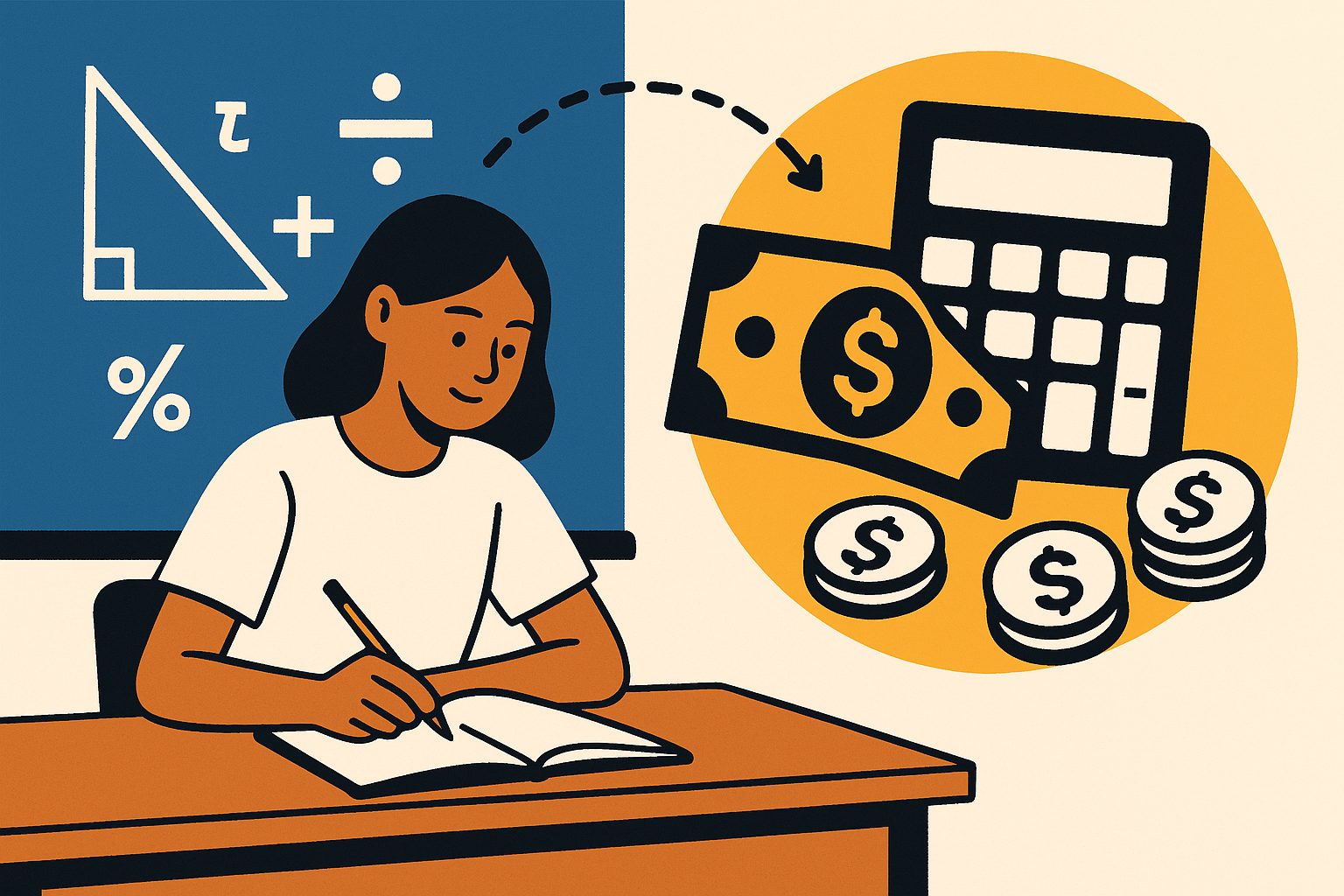
Mathematics Education: Bridging Classroom Learning with Real-World Applications
A strong foundation in mathematics is essential, but students often question how math connects to everyday life. Effective math education today focuses on practical learning, clear explanations, and real-world applications—especially around money and decision-making.
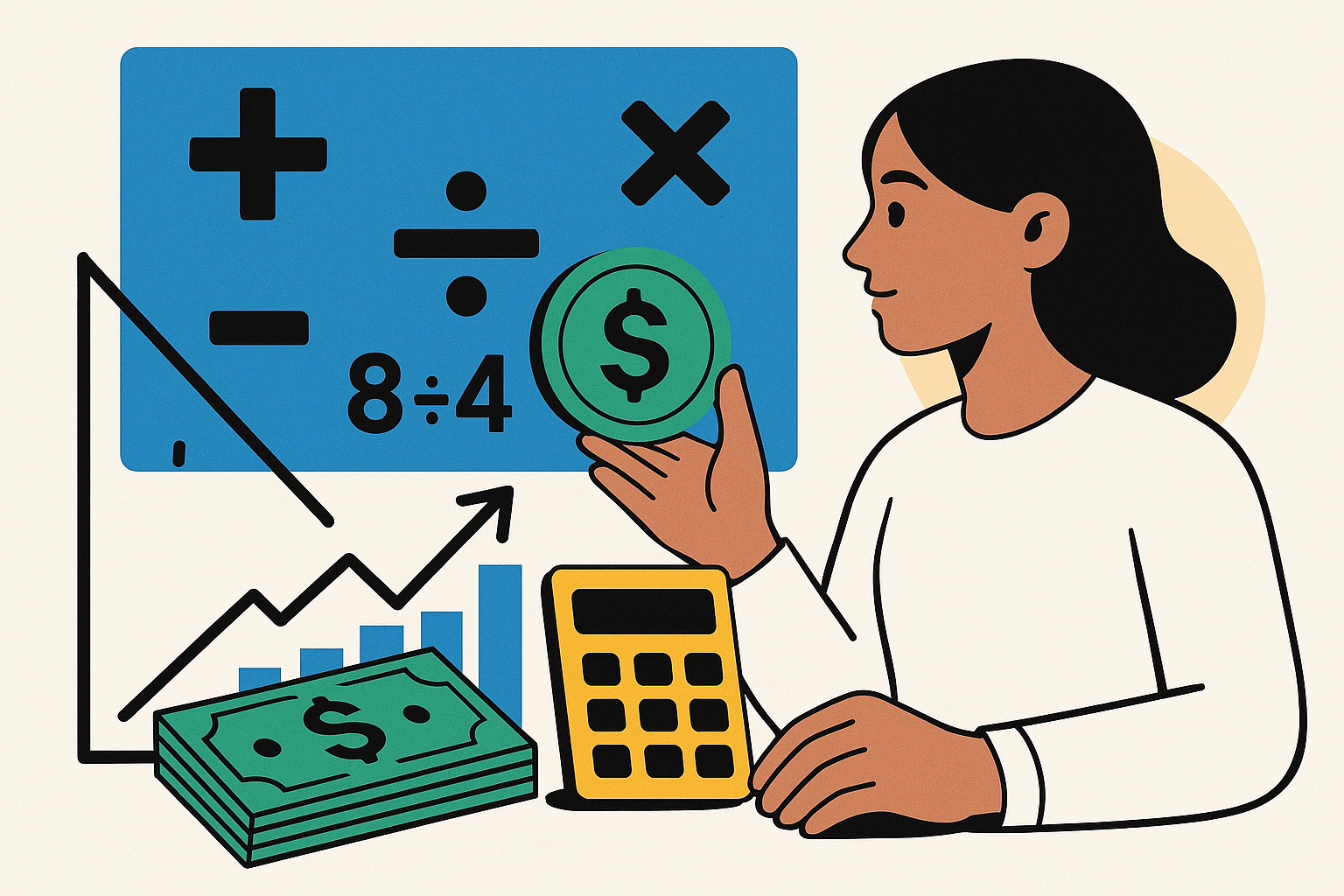
Math Education: Making Numbers Matter in Everyday Life
Practical learning and clear, real-world connections are transforming math education. By linking classroom lessons to everyday experiences—especially those involving money—students discover not only the relevance of mathematics, but also its power to shape confident, informed decisions in life.
The Importance of Financial Literacy: Empowering Choices Through Practical Education
Financial literacy is an essential skill for navigating daily life, yet it is often overlooked in traditional education. By connecting foundational mathematics to real-world money management, individuals can develop the abilities and confidence needed to make wise financial decisions. This article explores practical approaches to financial literacy and highlights its vital role in empowering individuals for lifelong success.
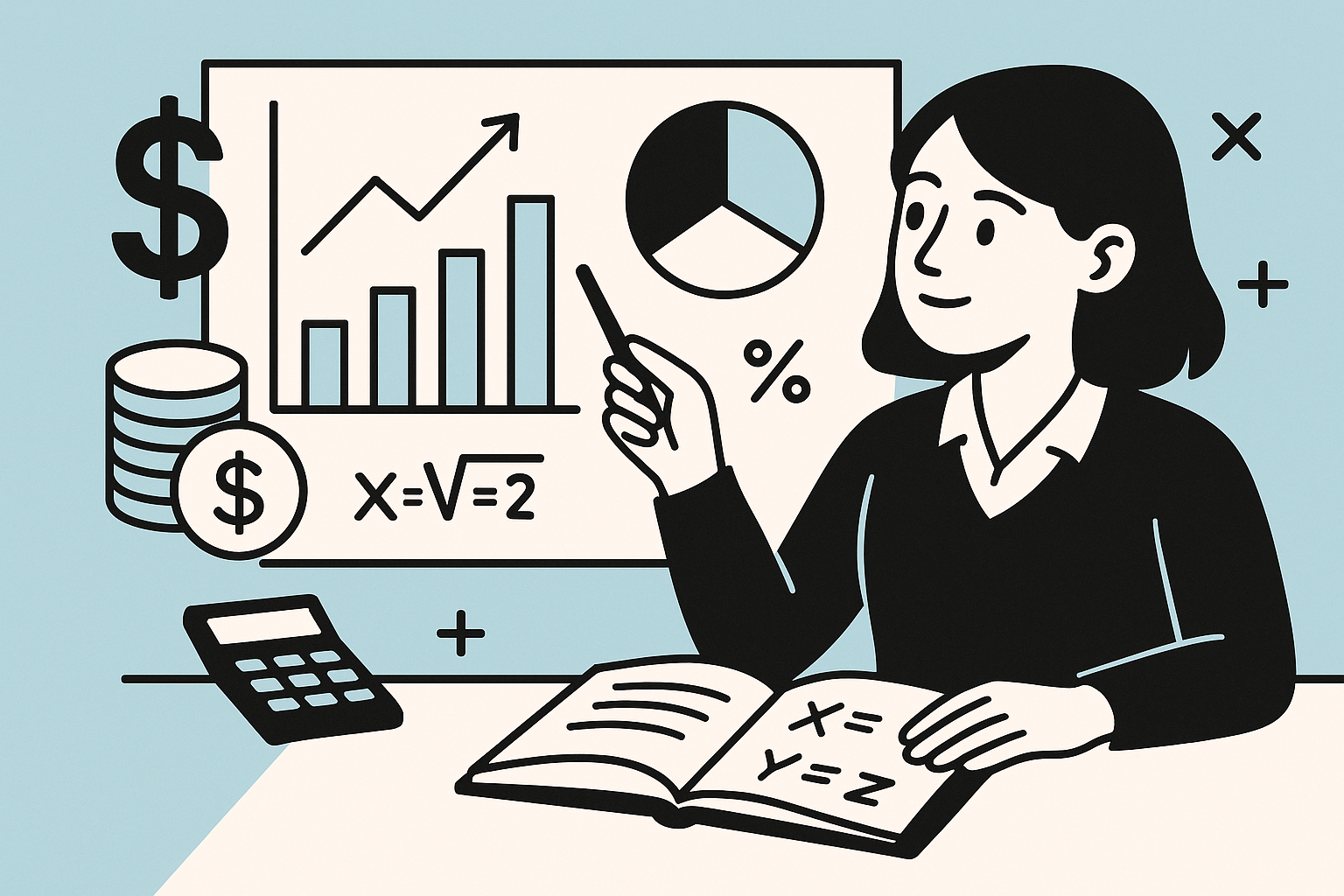
Understanding Statistics in Class 10: Making Math Meaningful for Life
Statistics is a crucial part of the class 10 mathematics curriculum, connecting classroom learning to real-world applications such as financial literacy, business, and data-driven decision-making. This article explores how practical learning in statistics prepares students for everyday challenges and why mastering these concepts is essential for navigating a world increasingly shaped by numbers.
Making Math Meaningful: Practical Approaches to Mathematics Education
Mathematics is often seen as a subject of abstract numbers and formulas, but its power truly lies in real-world application. Shifting towards practical math education not only improves understanding, but also prepares students for everyday financial and problem-solving challenges.
Making Math Count: Connecting Numbers to Real Life and Money
Mathematics education is more than memorizing formulas—it's about practical thinking and problem-solving. By linking classroom math to everyday money matters and clear, hands-on examples, students can build stronger understanding and lasting confidence in their abilities.
Making Math Matter: Practical Approaches to Mathematics Education
Mathematics is often seen as a collection of abstract rules and equations, but its real-world relevance, especially in areas like money management, underlines the importance of clear explanations and hands-on learning. This article explores practical strategies for making math education meaningful, with a special focus on connecting mathematics to everyday situations.
Understanding Statistics in Class 10: A Key Skill for Life and Money
Statistics is more than just numbers on a page—it’s a powerful way to make sense of the world, manage money, and solve problems. In class 10, students explore fundamental statistical concepts that connect deeply with real-world scenarios, from budgeting to career choices.
Statistics Class 10: Practical Learning for Real-World Success
Statistics in class 10 mathematics is more than numbers and graphs—it teaches us how information shapes decisions in everyday life, especially when it comes to money and financial choices. This article explores how statistics education connects to real-life scenarios, financial literacy, and problem-solving, explaining complex ideas in practical, approachable ways.
Class 10 Statistics: Understanding Data and its Real-World Value
Statistics in the Class 10 curriculum is more than just numbers and formulas. It introduces students to the art of making sense of data and its direct applications in daily life—including how mathematics and money management are intertwined in practical scenarios. By learning statistics, students gain essential skills for evaluating information and making informed decisions that extend far beyond the classroom.
Making Sense of Math: Practical Learning for Real-World Success
Math education is more than solving equations — it's about giving students the tools they need to understand the world, manage money, and make confident decisions in daily life. By focusing on clear explanations and real-life applications, especially around finances, educators can help students see mathematics as a valuable part of everyday living.
Financial Literacy: Essential Skills for Everyday Life
Financial literacy empowers individuals to make informed decisions about their money, blending practical knowledge with core mathematics skills. In today's complex economy, understanding how to manage personal finances is vital—both for adults and students. Real-world examples and clear explanations can help demystify concepts like budgeting, saving, and borrowing.
Statistics in Class 10: Making Sense of Numbers in the Real World
Statistics, as introduced in class 10 mathematics, offers students crucial tools for understanding data, making informed decisions, and navigating daily life—especially when it comes to money and practical problem-solving. This article explores how class 10 statistics bridges the gap between mathematics theory and the challenges and choices we face in the modern world.
Math Education: Building Real-World Skills Through Practical Learning
Mathematics education is vital for everyday decision-making, from budgeting to shopping. By focusing on practical methods and clear explanations, math teachers help students connect abstract concepts to their real lives, making the subject both accessible and essential. In this article, we explore how math is taught around the world and why connecting lessons to real-world money matters can make learning more meaningful.
Making Math Count: Practical Approaches to Mathematics Education
Math education thrives when it builds real-world connections and prioritizes clear, practical explanations. This article explores how integrating everyday examples, such as using money, can make mathematical concepts more understandable and relatable for learners of all ages.
Statistics in Class 10: Building Math Skills for Real-World Decisions
Statistics taught in class 10 acts as a bridge between classroom mathematics and real-life applications, especially in areas involving money and informed decision-making. This article explores the basics of statistics in class 10, emphasizing practical approaches, clear explanations, and real-world connections that empower students.
Financial Literacy: Equipping Students for Real-World Money Challenges
Financial literacy is an essential skill set in today’s complex world, empowering individuals to make informed decisions about spending, saving, investing, and managing debt. In education, financial literacy ties together mathematics, critical thinking, and practical life application. This article explores what financial literacy means, how it connects to mathematics, and why practical learning makes all the difference for students and adults alike.
Statistics in Class 10: Understanding Numbers in the Real World
Statistics in class 10 is not just about learning formulas—it’s about using numbers to understand the world around us. From analyzing data on family expenses to making sense of sports results, statistics connects mathematics to everyday decisions, especially those involving money. This article explores what students learn in class 10 statistics, why it matters, and how it applies to real-life situations.
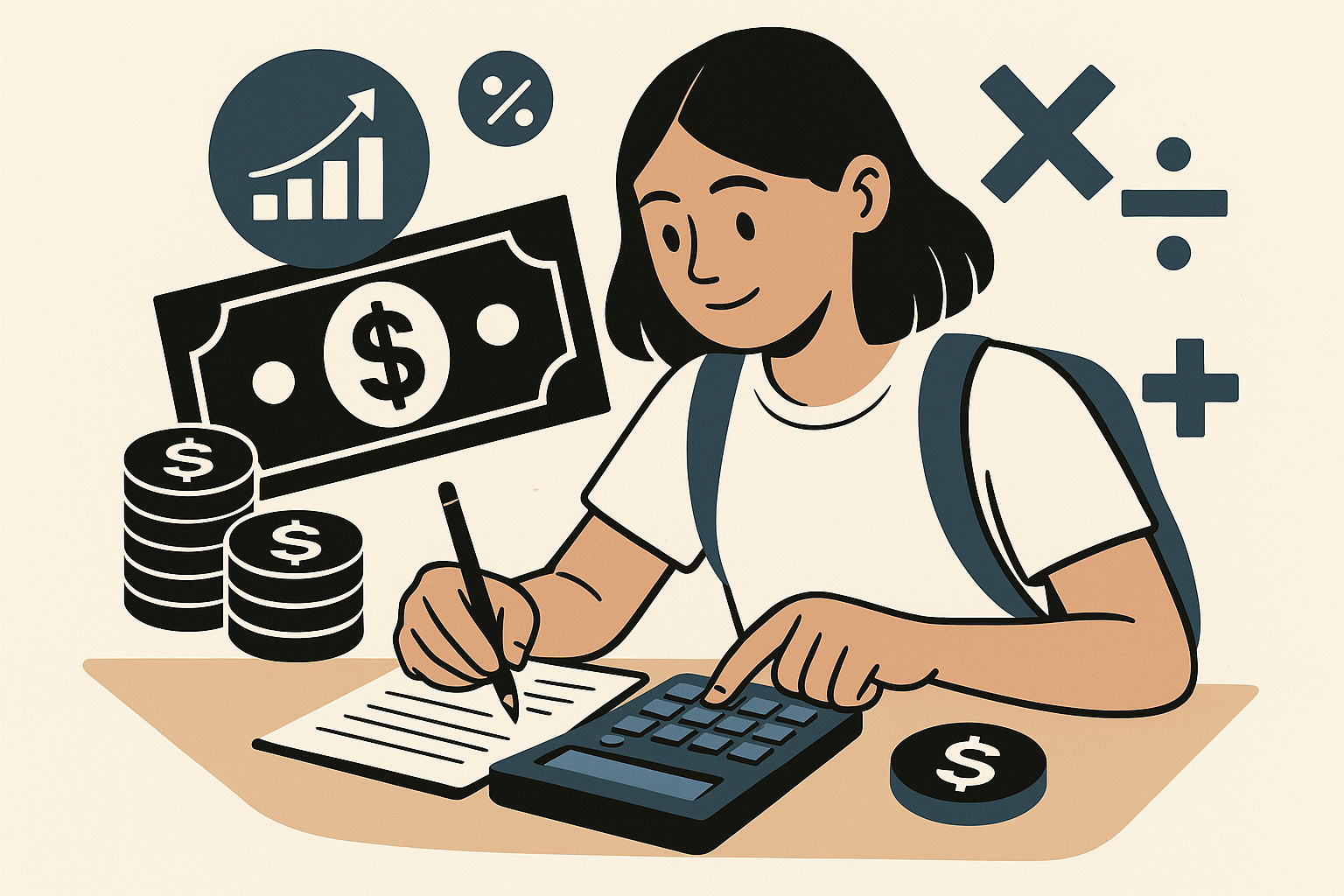
Building Practical Financial Literacy: Equipping Students for Real-Life Money Decisions
Financial literacy goes beyond basic math skills—it equips individuals with the knowledge, skills, and confidence to manage their money wisely. As part of modern education, learning to make informed decisions about budgeting, saving, borrowing, and investing prepares students for real-world financial challenges. This article explores how practical financial education, paired with mathematics, fosters lifelong skills and financial security.
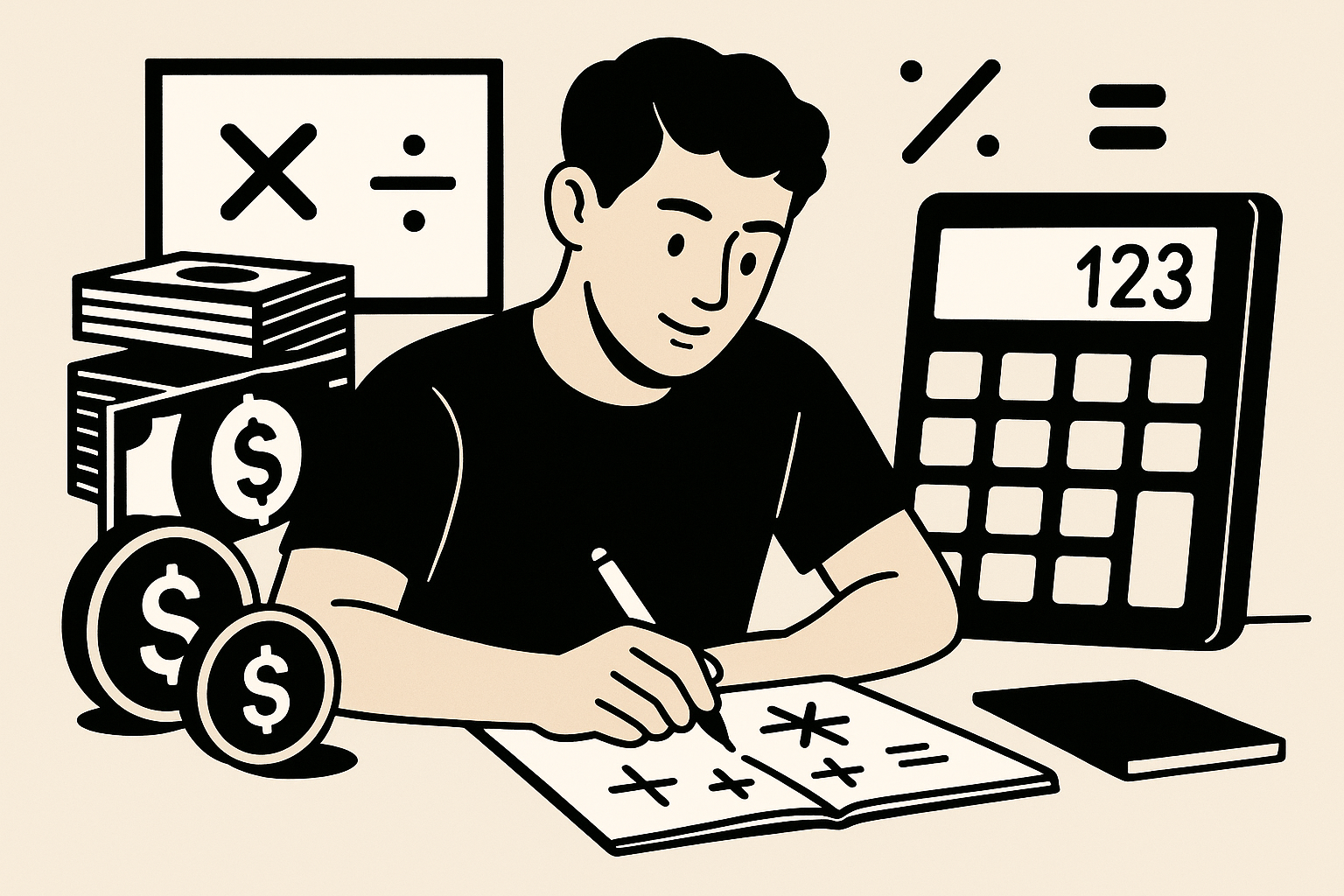
Mathematics Education: Building Practical Skills for Life
Mathematics is more than numbers and equations; it is a vital tool for navigating real-world challenges. By focusing on practical learning and clear explanations, math education can empower students to make informed financial decisions and solve everyday problems. This article explores how connecting mathematical concepts to money and daily experiences enhances understanding and prepares learners for a successful future.